A practical guide for architects on specifying WPC cladding for exterior applications, covering performance, durability, detailing, and lifecycle value.
Architects specify WPC cladding for long-term exterior performance by evaluating climate exposure, defining performance expectations, detailing installation systems correctly, and aligning material choice with lifecycle value rather than appearance alone.
However, the performance of WPC cladding depends heavily on how it is specified. Inadequate profile selection, improper fixing details, or lack of ventilation planning can compromise durability. A well-defined specification ensures that the material performs as intended across varying climatic conditions.
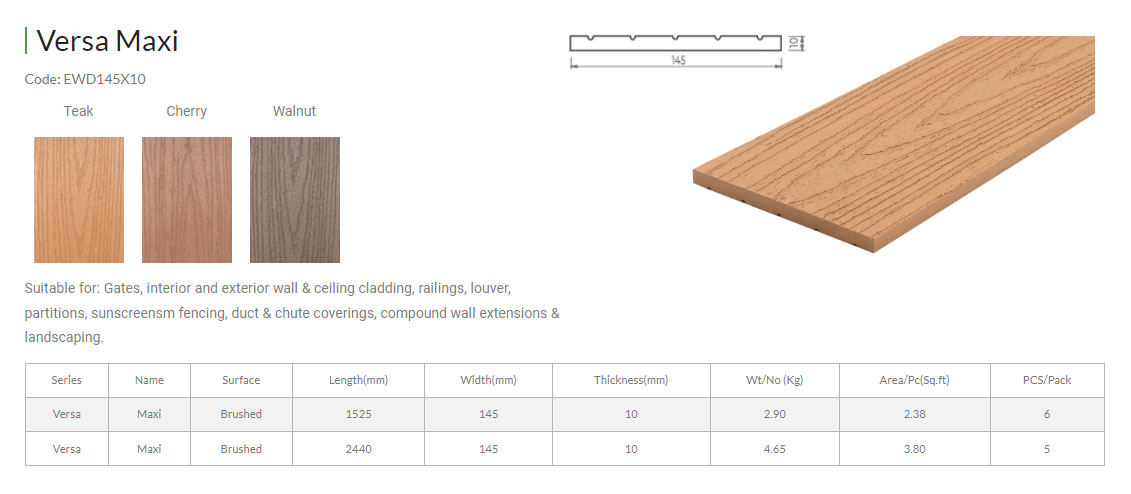
The first step in specifying WPC cladding is understanding the application environment. Factors such as UV exposure, rainfall, humidity, and proximity to coastal or industrial zones influence material behaviour. Exterior-grade profiles should always be selected for façades exposed to direct weathering.
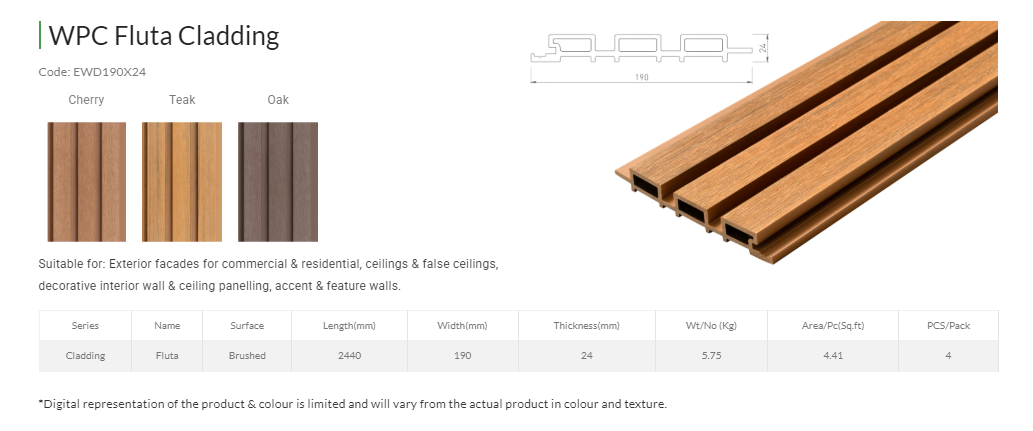
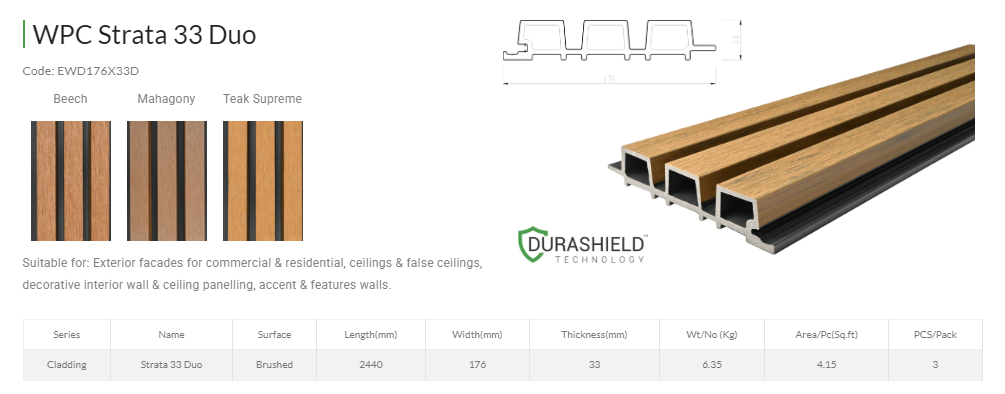
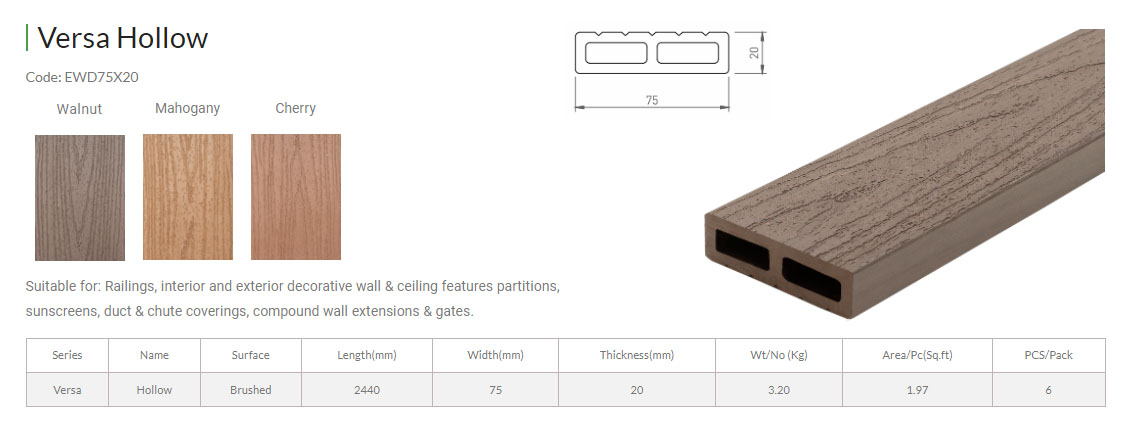
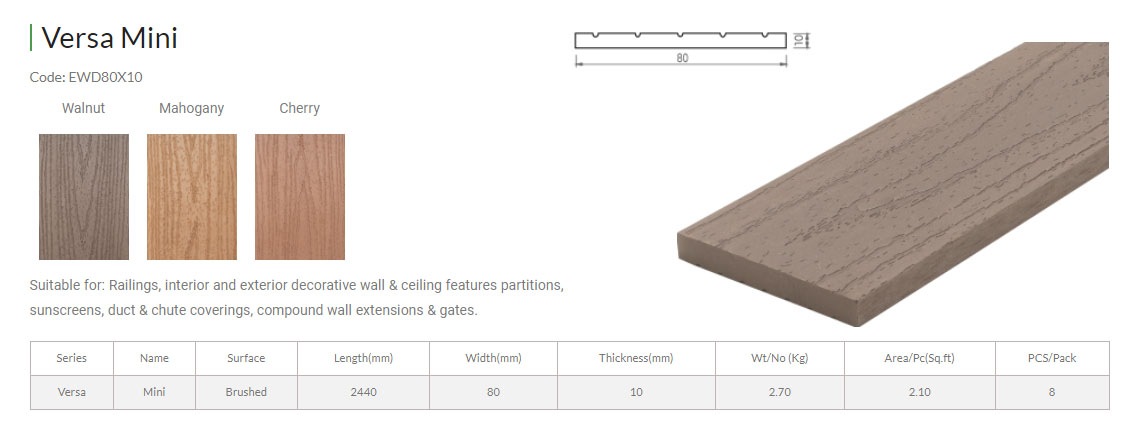
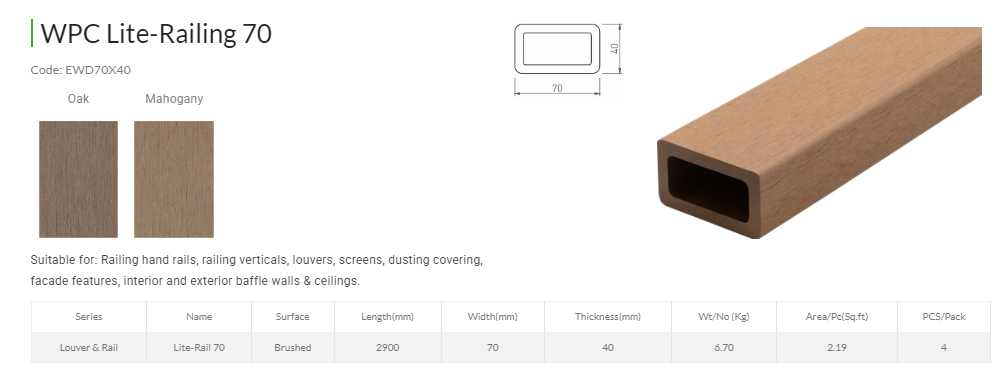
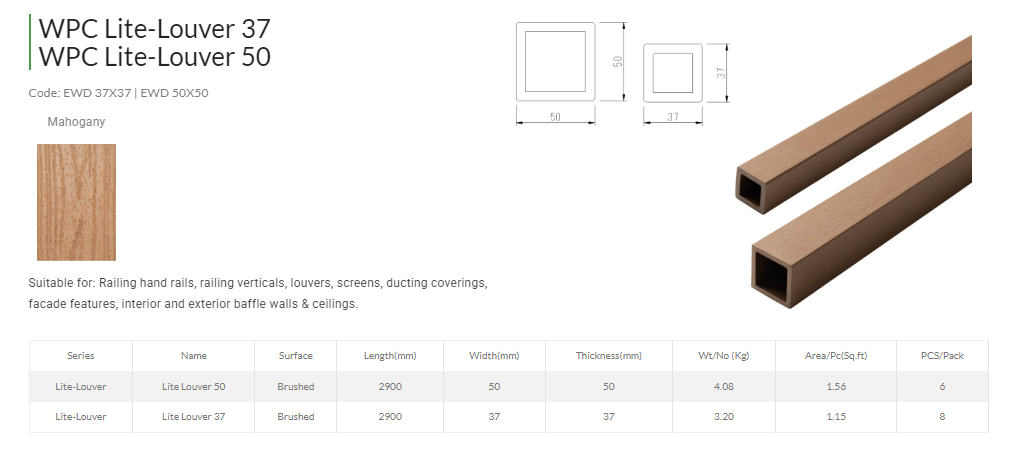
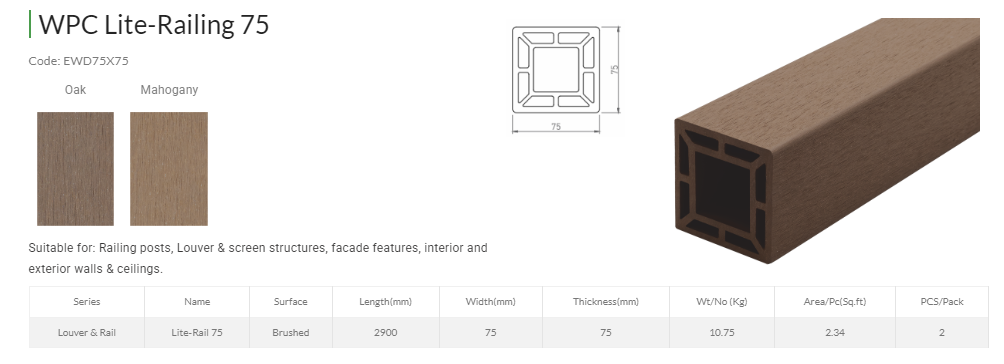
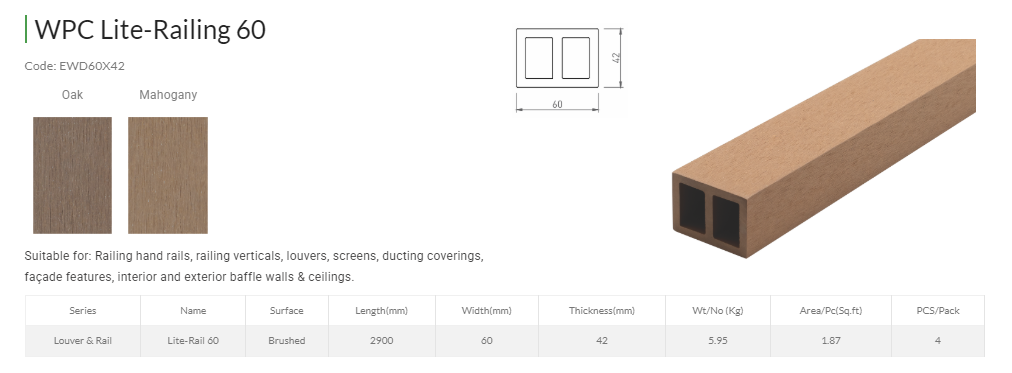
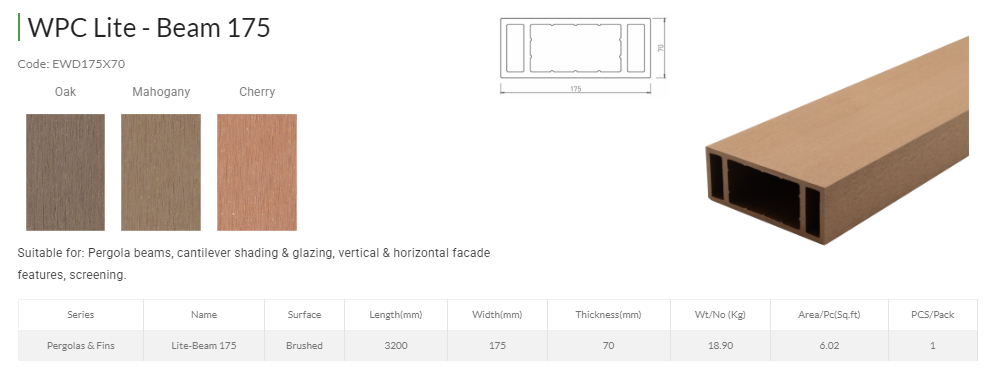
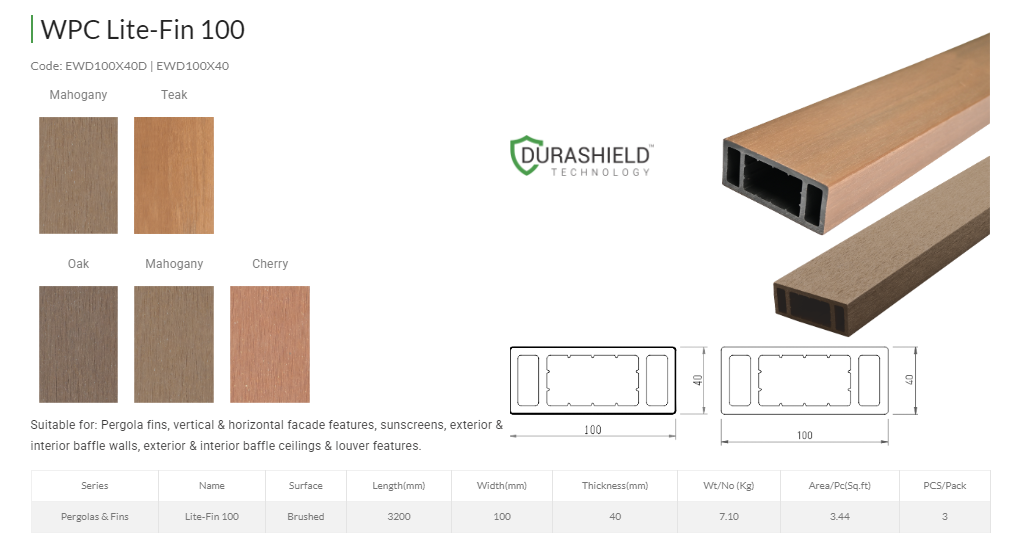
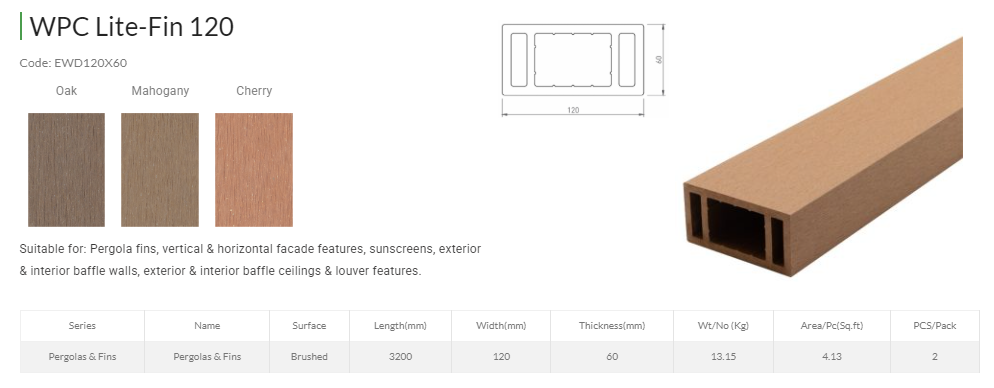
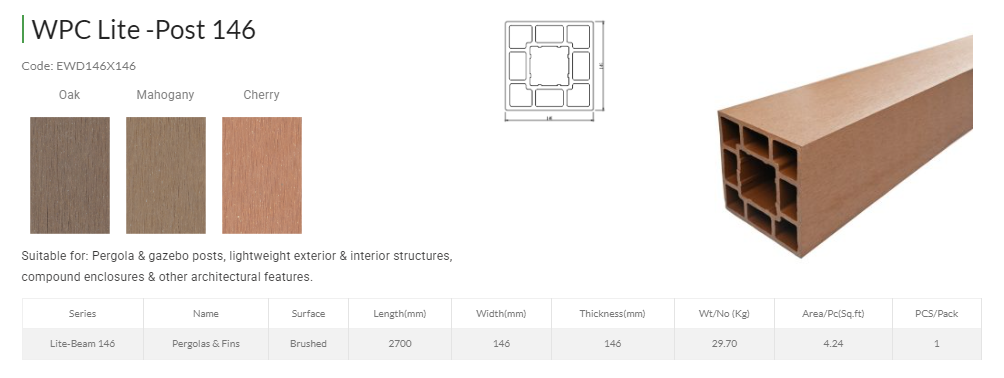
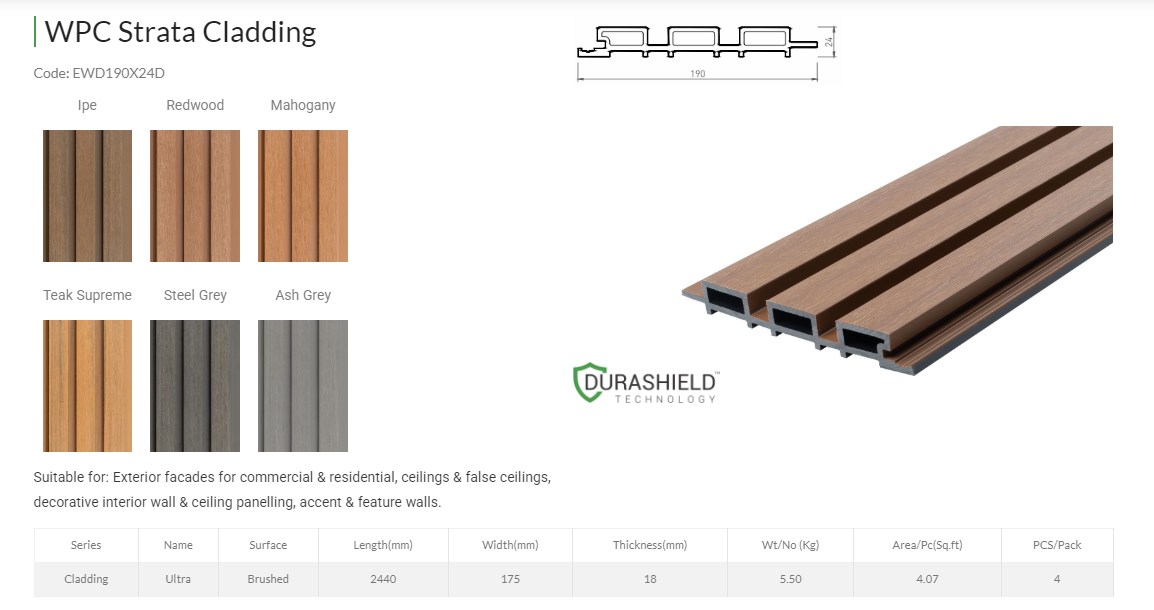
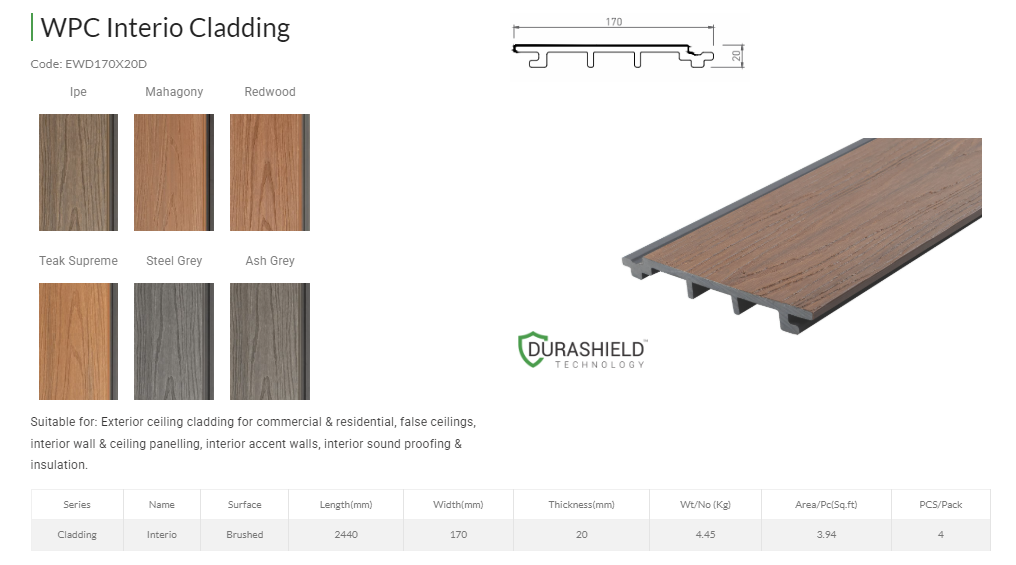
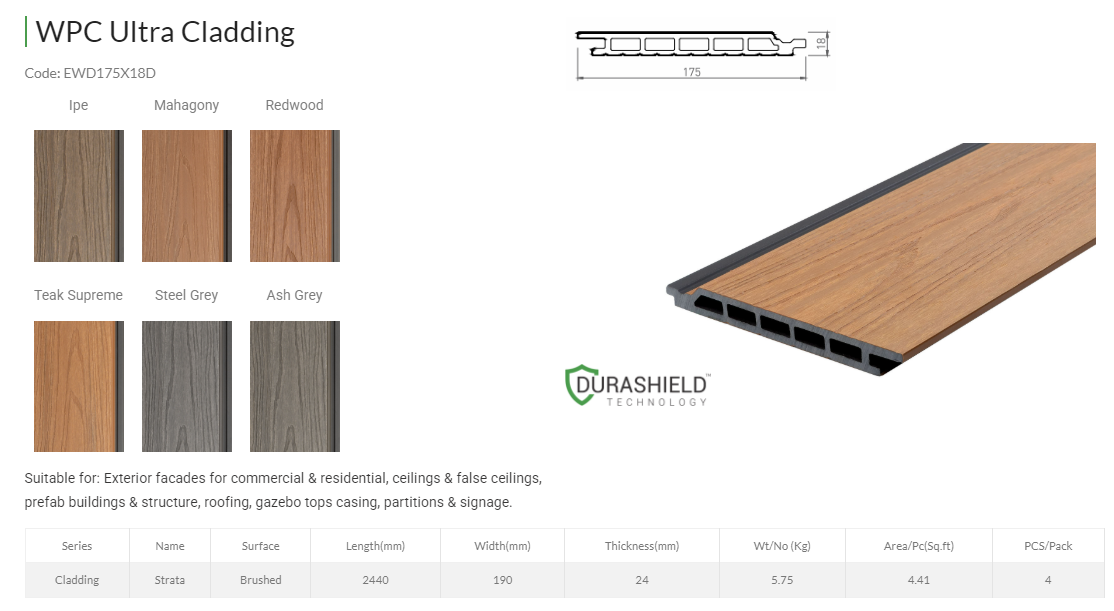
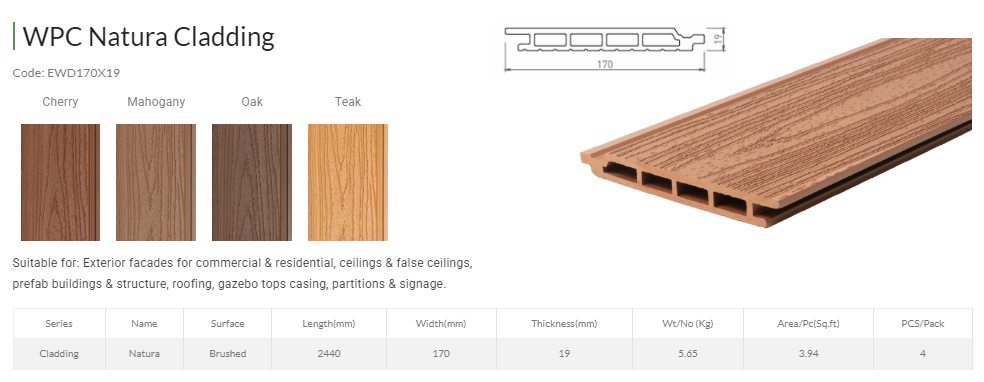
Profile selection plays a critical role in long-term performance. Architects should evaluate wall thickness, structural integrity, and drainage geometry. Adequate rear ventilation gaps must be provided to allow moisture escape and prevent heat build-up behind the cladding surface.
Installation detailing is equally important. Specifications should clearly define fixing systems, expansion gaps, substructure materials, and tolerances. WPC expands and contracts with temperature changes, and ignoring these properties can lead to distortion or surface stress over time.
Please visit : Engineered WPC materials for exteriors
Finally, lifecycle expectations should be addressed during specification. WPC cladding is valued for its low maintenance requirements, offering long-term cost efficiency without frequent refinishing or surface treatments. When specified correctly, WPC cladding delivers reliable performance across residential, commercial, and hospitality projects.
Visit WPC exterior wall cladding systems
Key Considerations for Exterior WPC Applications
1. What is WPC cladding specified for in exterior architecture?
WPC cladding is specified for exterior architecture where long-term durability, resistance to weather exposure, and consistent visual performance are required across building facades and outdoor walls.
2. Why do architects specify WPC cladding for long-term performance?
Architects specify WPC cladding because it offers better resistance to moisture, UV exposure, and temperature variations compared to traditional materials, reducing maintenance needs over the building lifecycle.
3. Where is WPC cladding most commonly applied?
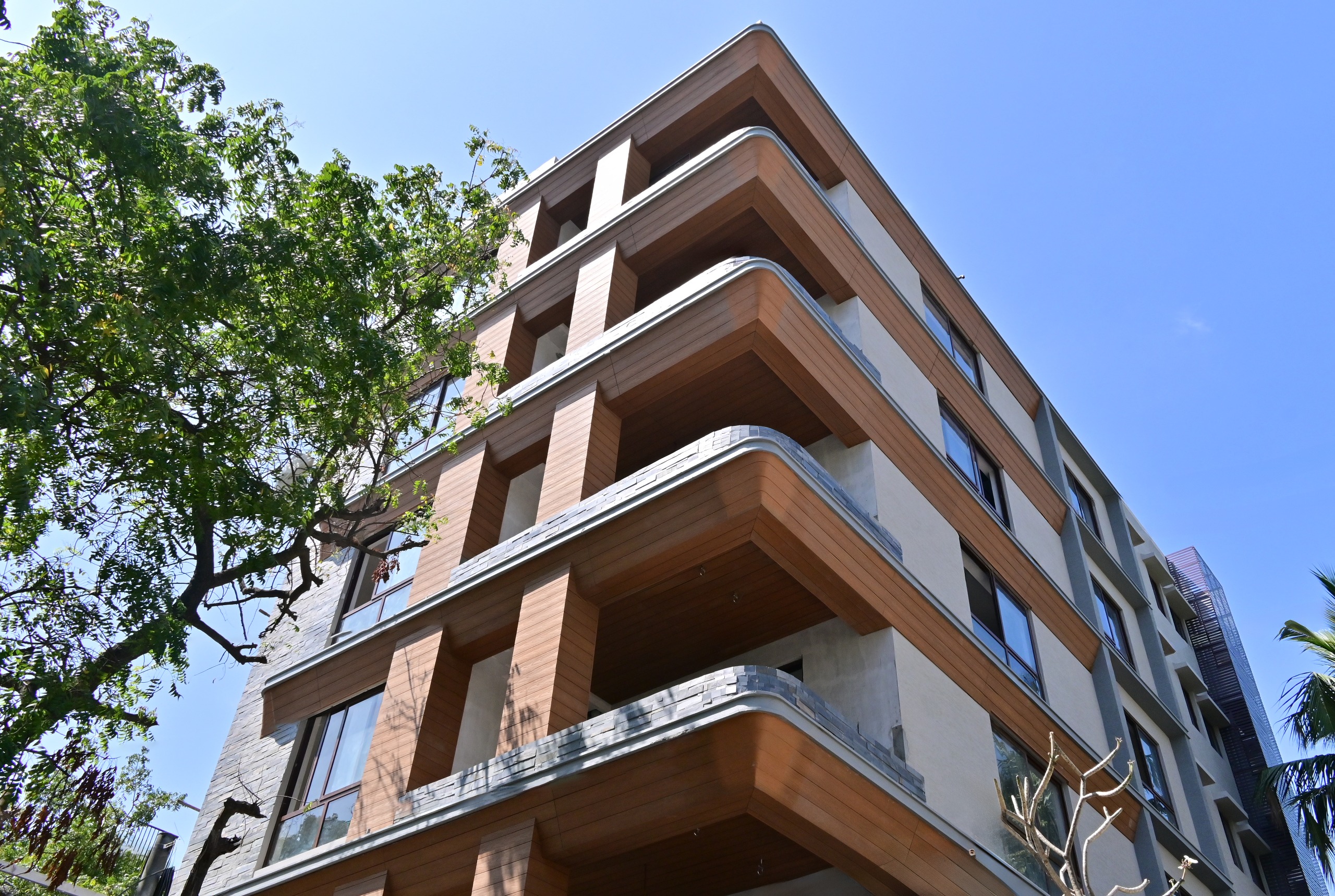
WPC cladding is most commonly applied on exterior facades, boundary walls, balconies, and outdoor feature walls that are directly exposed to environmental conditions.
4. Why should architects approach WPC cladding specification?
Architects should approach WPC cladding specification by evaluating climate exposure, defining performance expectations, detailing installation systems correctly, and aligning material selection with lifecycle value rather than initial appearance.
5. Who benefits from correctly specified WPC cladding systems?
Property owners, facility managers, and occupants benefit most from correctly specified WPC cladding systems due to improved durability, reduced maintenance effort, and long-term aesthetic consistency.