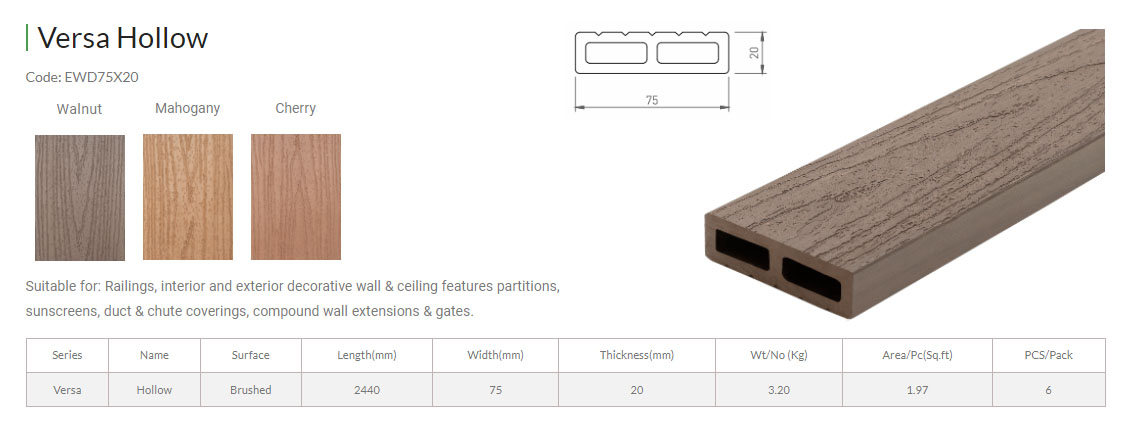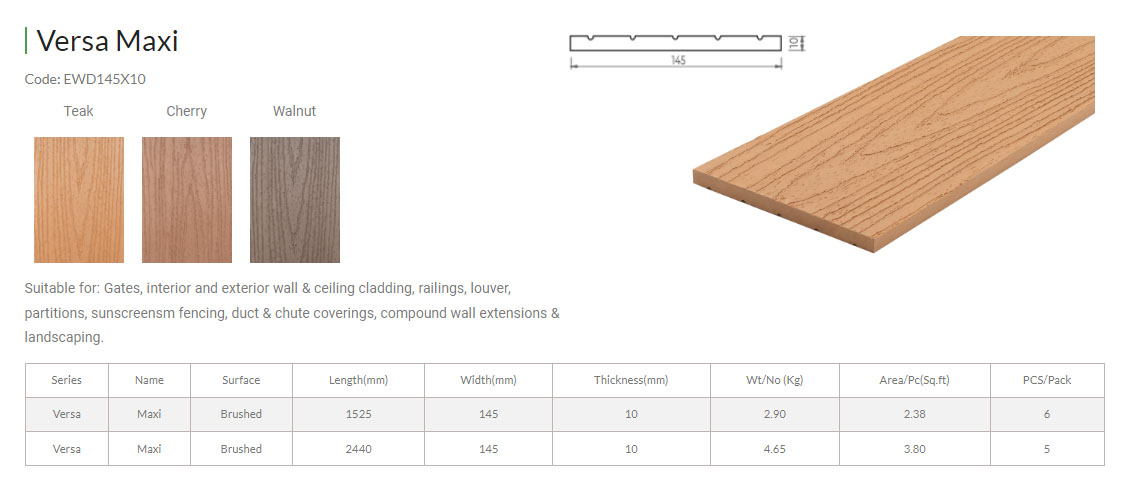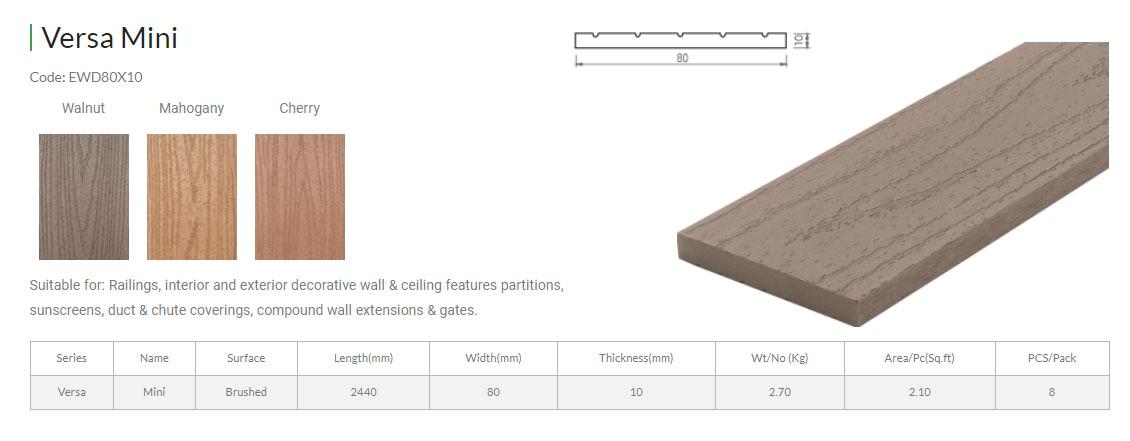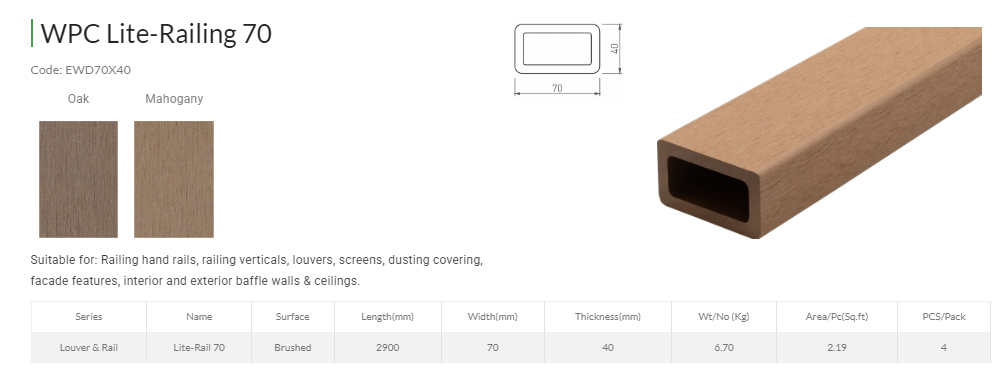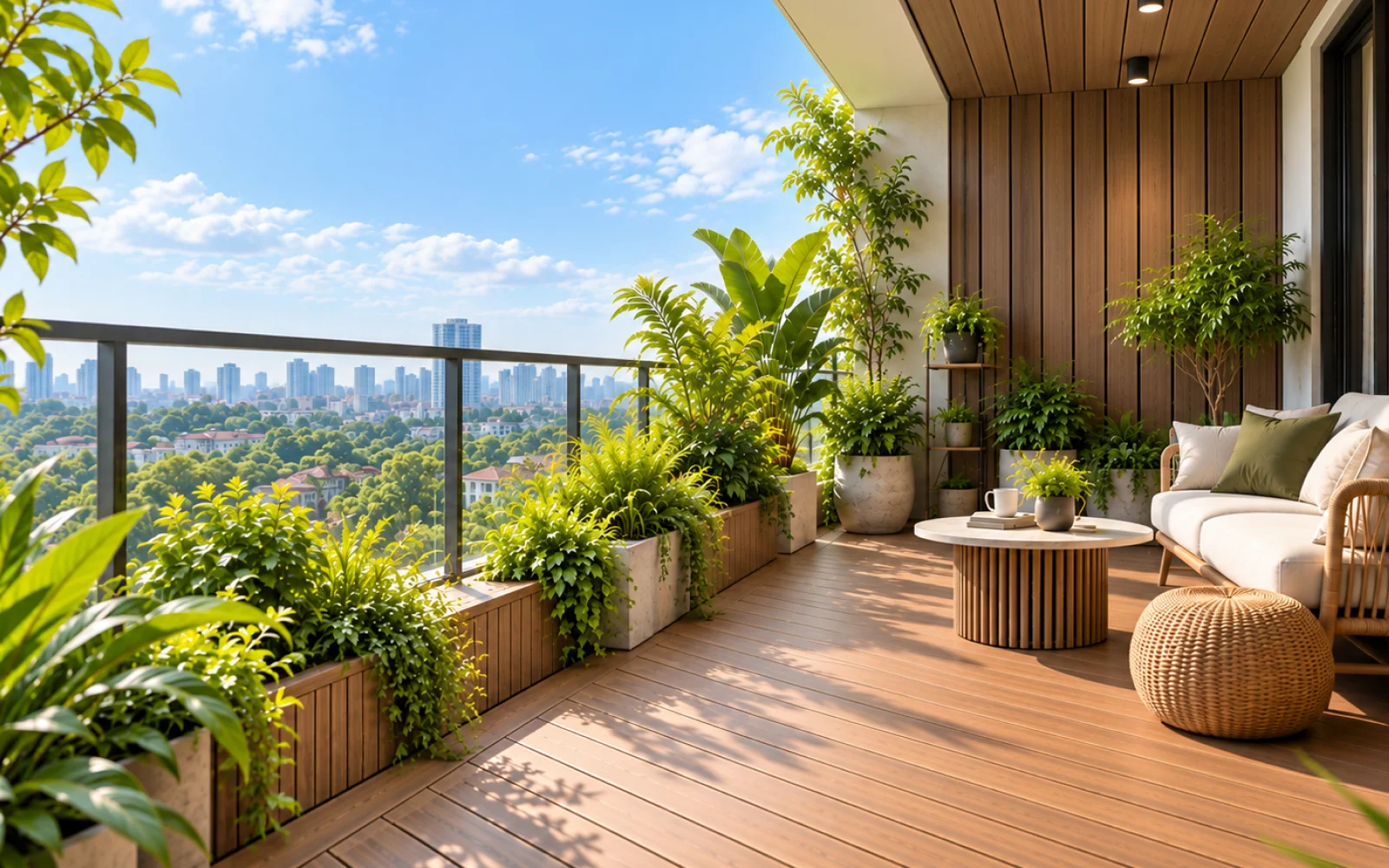
A small balcony can become a calm retreat with the right floor, a few planters, and comfortable seating. A terrace can offer the same experience on a larger scale.
Our Indian outdoor areas face monsoon rain, heat, humidity, and dust. For terrace garden flooring in India, weather resistance, drainage, safety, and easy upkeep matter.
Key Factors to Consider Before Choosing Outdoor Flooring
Indian balconies and terraces face intense sun, humidity, heavy rain, and dust throughout the year. Choose flooring that can handle these conditions while remaining safe, durable, and easy to maintain.
- Weather Resistance
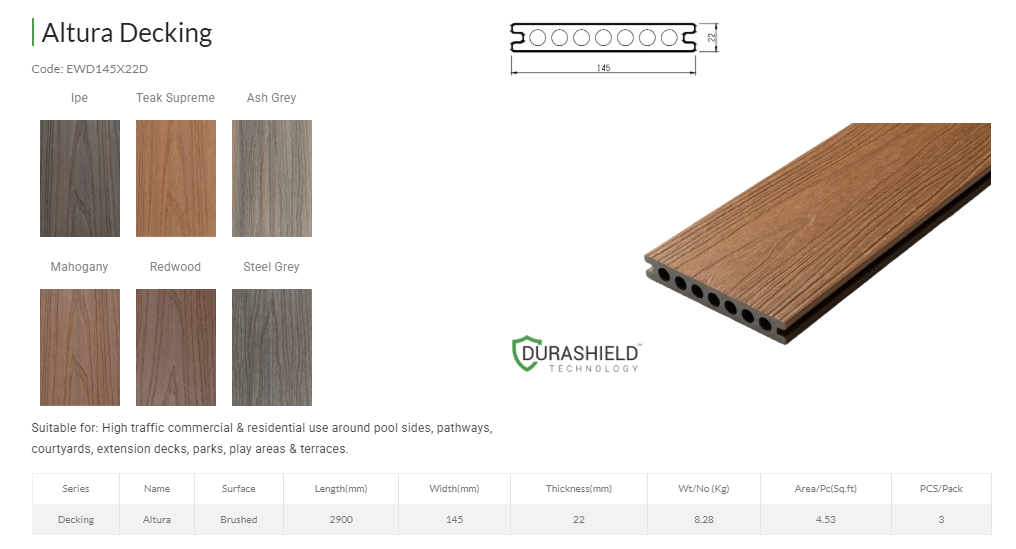
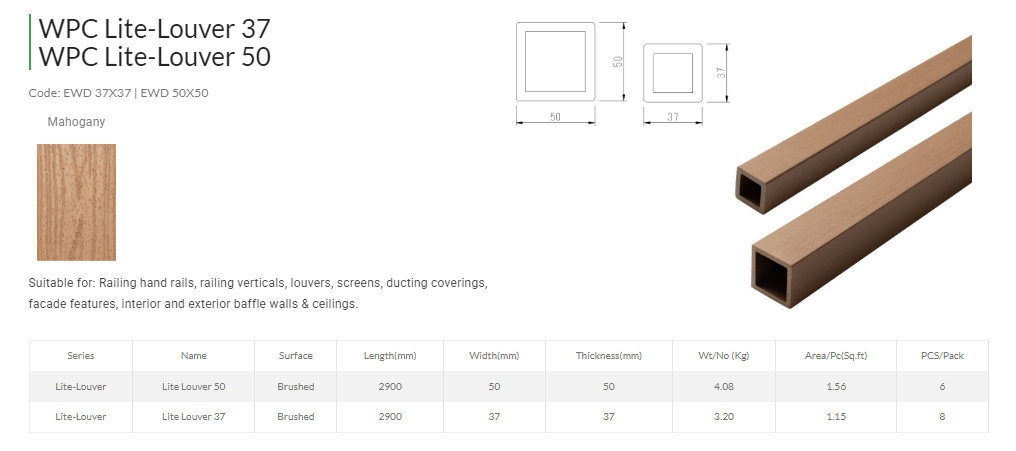
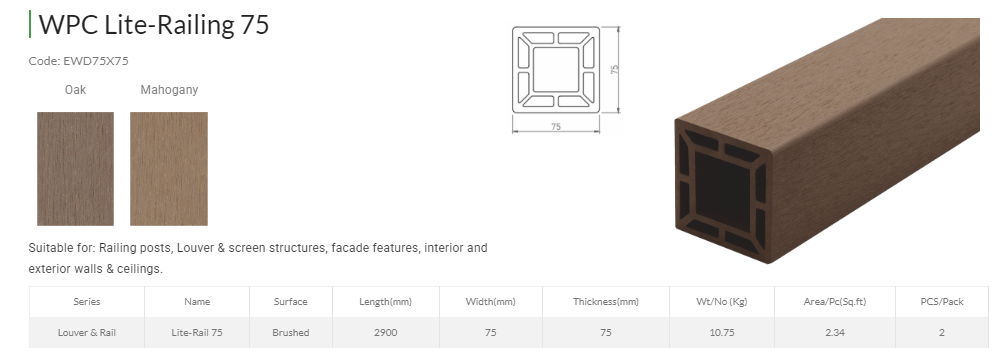
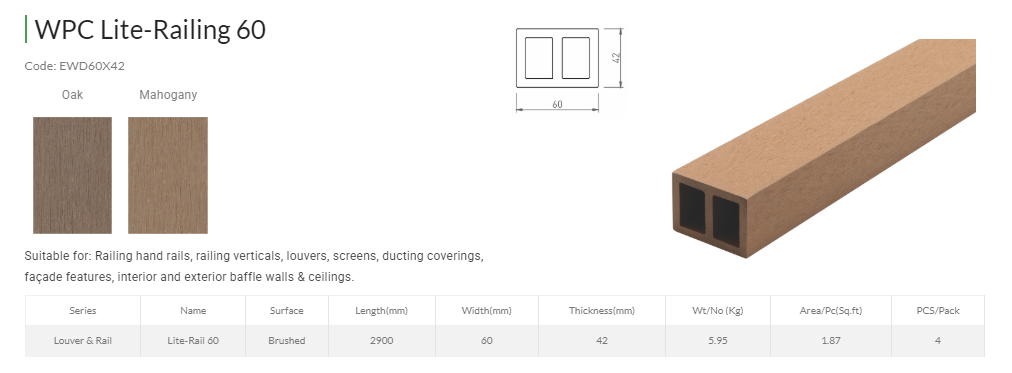
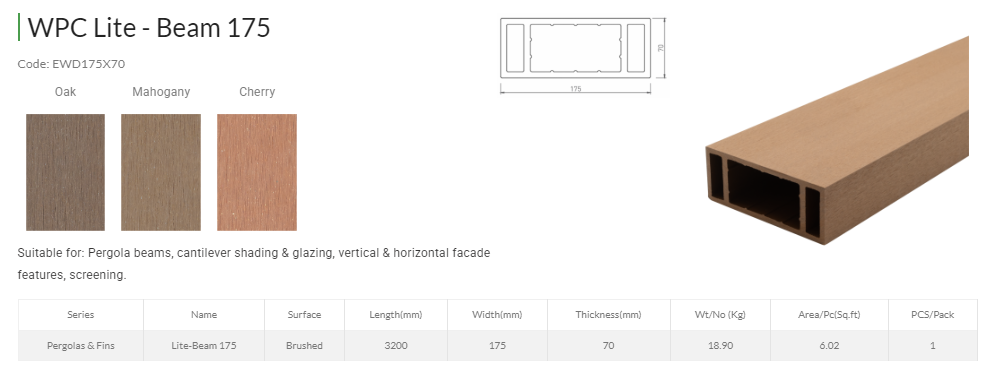
Balcony flooring faces strong UV rays, heat, humidity, and heavy rain. Choose materials that resist fading, swelling, cracking, or decay. WPC decking in India suit demanding outdoor use. For exposed homes, outdoor decking in India also needs dependable drainage.
- Water Drainage & Safety
Rainwater needs a clear path to the drain. An anti-skid surface improves safety. Proper slope and clear drains matter during monsoon.
- Maintenance
Gardens bring dust, soil, leaves, and organic waste. Pick a surface that is easy to sweep and wash. Low-maintenance flooring keeps the space practical.
- Weight Capacity
High-rise balconies need extra care. Planters, wet soil, furniture, stone, and people all add load. Check structural limits before adding heavy materials.
Best Flooring Options for Indian Balconies & Terrace Gardens
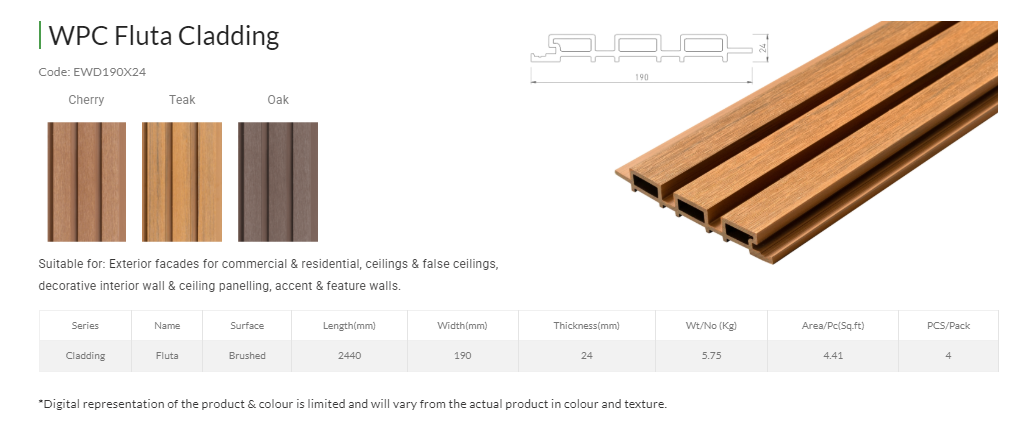
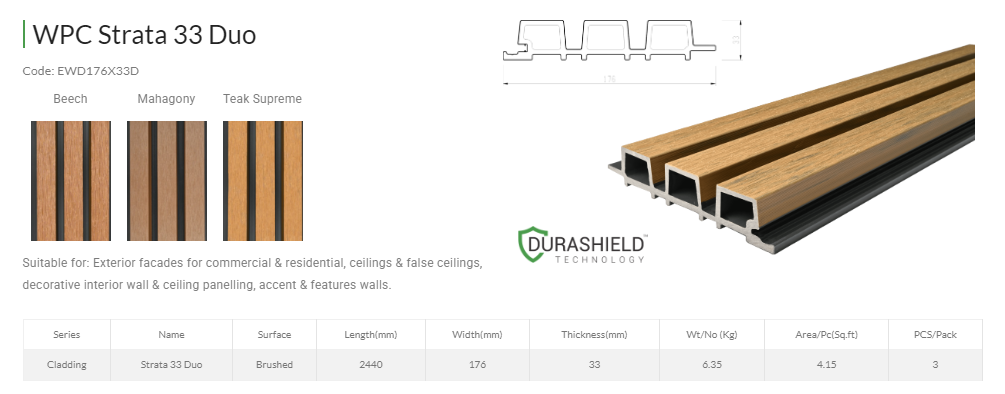
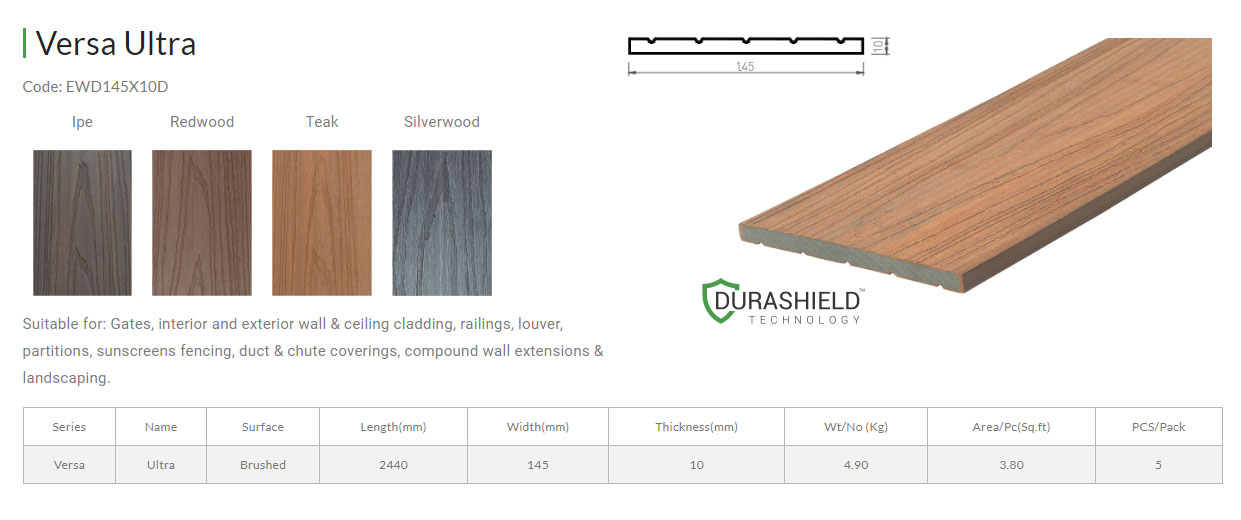
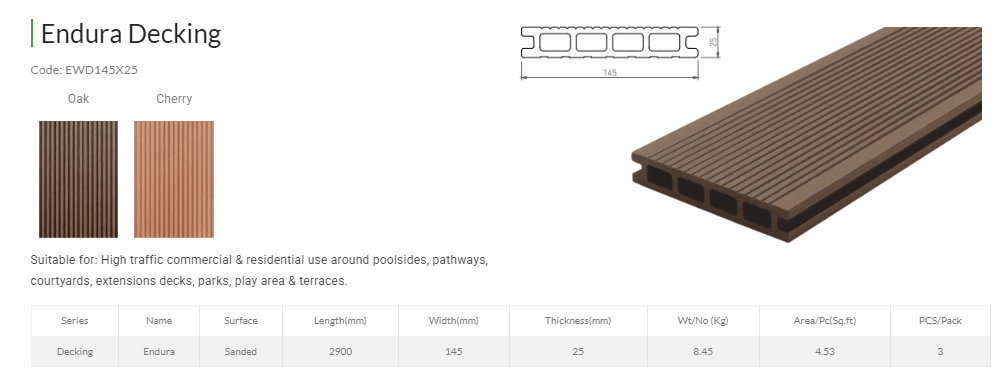
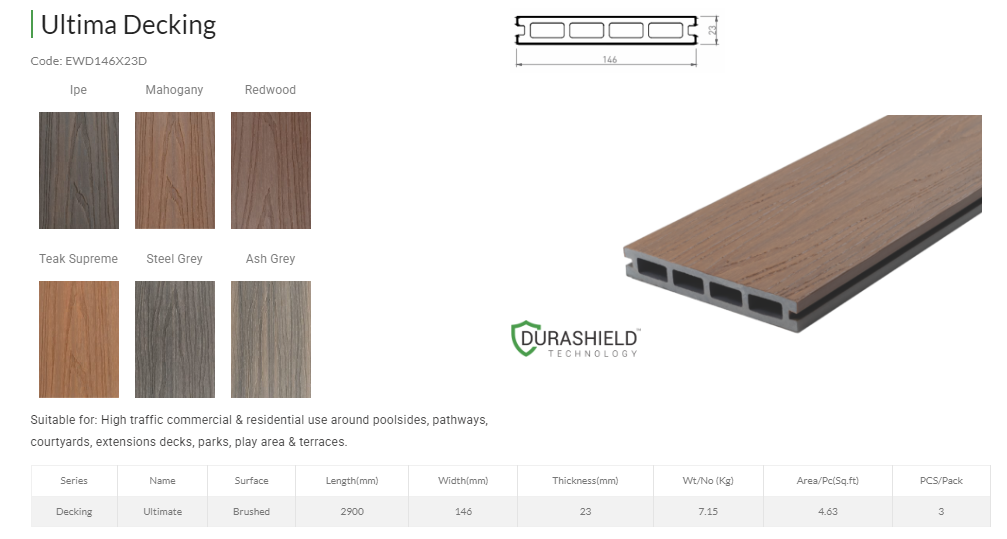
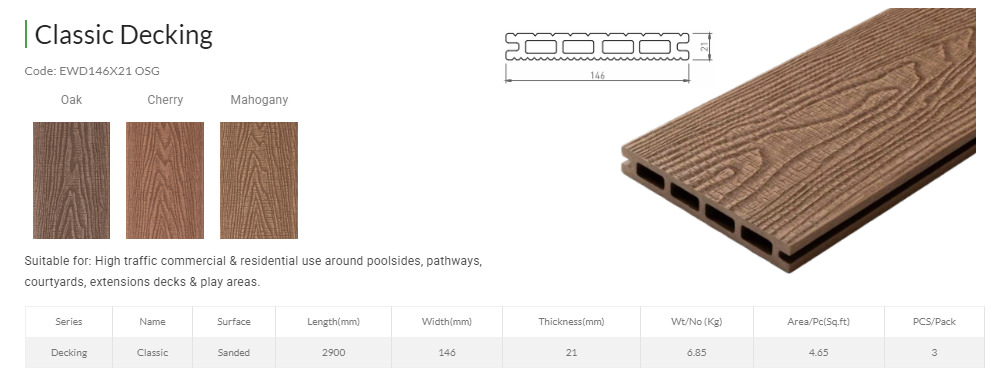
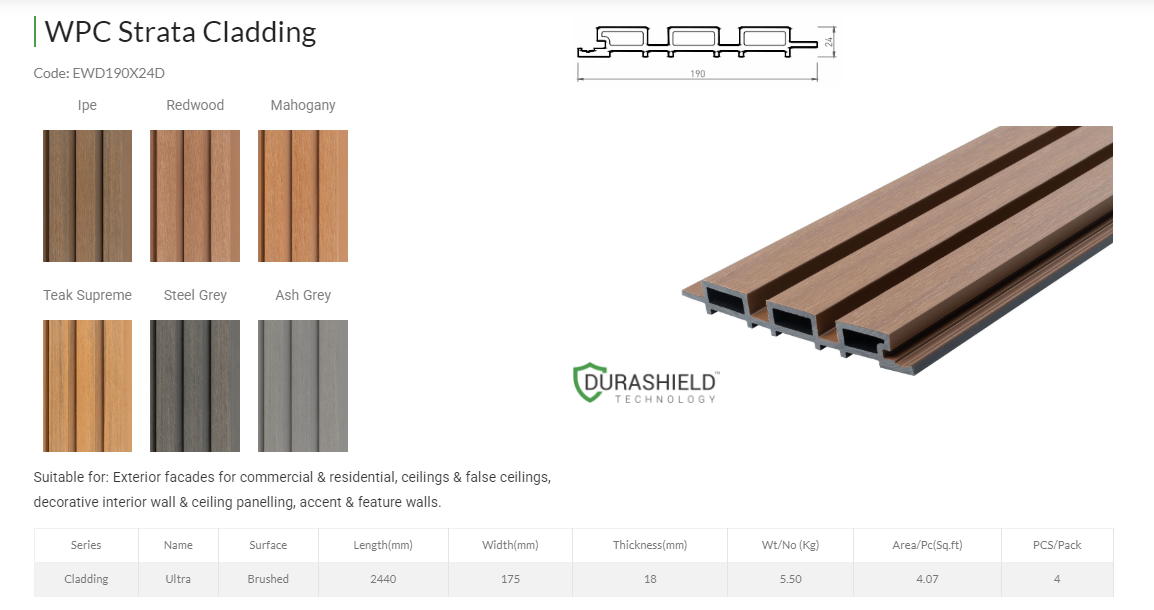
Consider sunlight, rain, garden style, budget, and cleaning needs. WPC outdoor decking boards suit balconies that need a wood-like finish.
- WPC (Wood-Plastic Composite) Decking
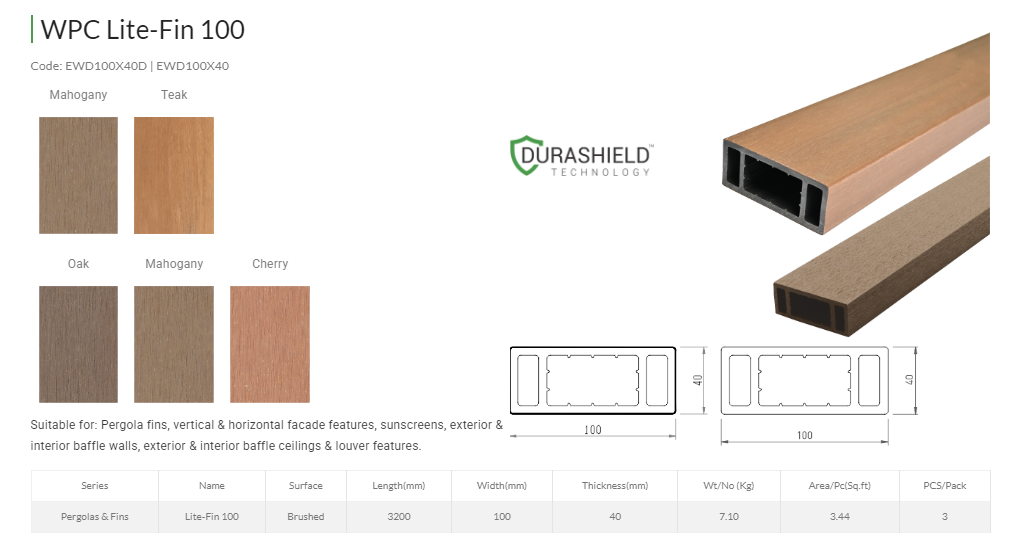
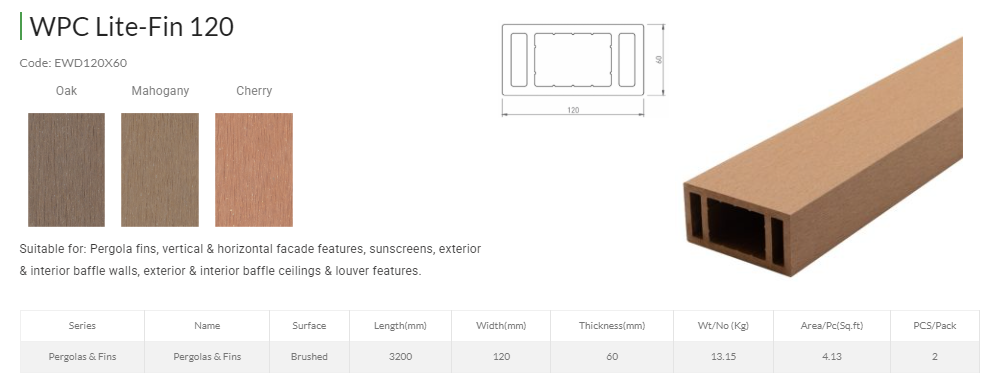
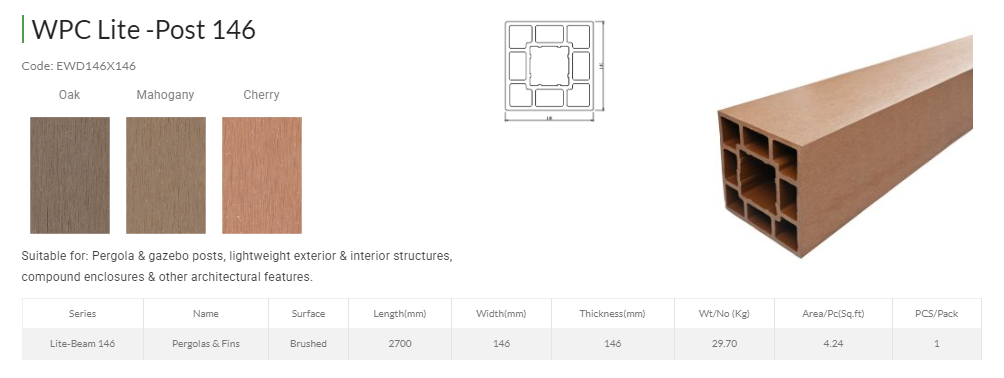
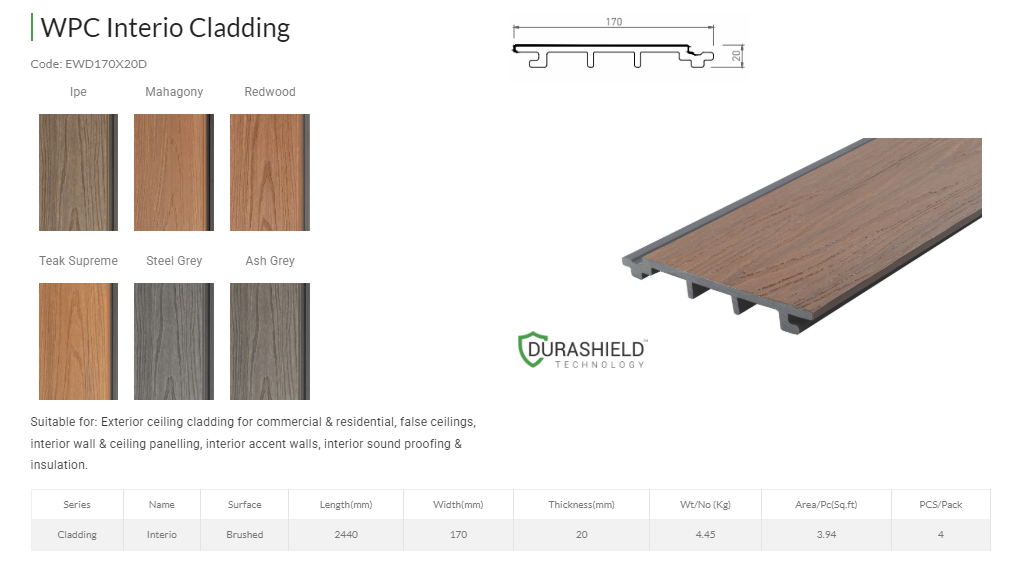
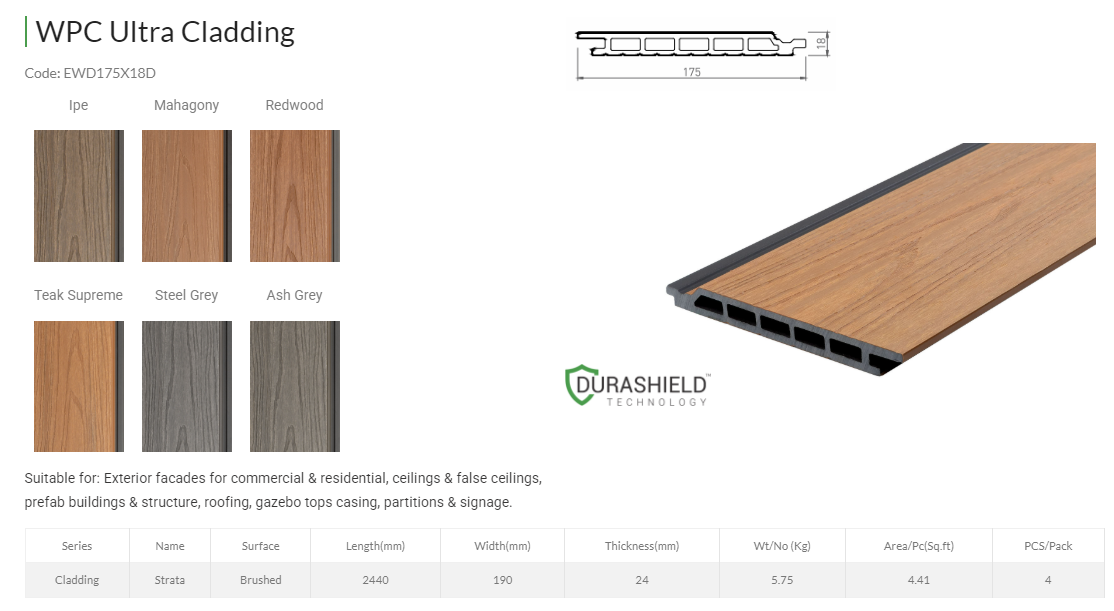
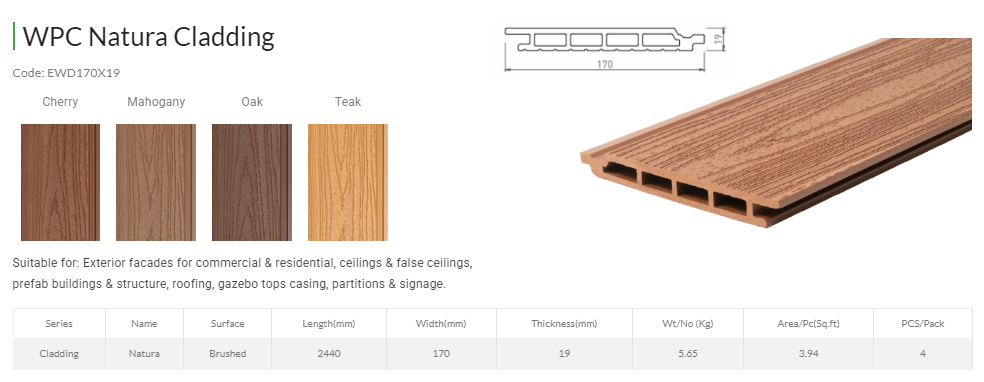
WPC brings the warmth and visual appeal of timber to outdoor areas without the maintenance demands of natural wood. It is designed to withstand issues such as rot, cracking, splitting, fungal growth, and termite damage, helping the flooring maintain its appearance and performance over time.
Our WPC offers zero moisture absorption along with UV resistance and termite resistance. It is also positioned as an eco-friendly and low-maintenance material, making it a practical choice for apartment owners who want an outdoor floor that does not demand frequent upkeep.
WPC works particularly well for modern apartment balconies, premium terraces, and garden settings. It can also be used to define separate seating and planting zones, creating a more organised outdoor space.
- Artificial Turf / Grass
Artificial turf is a simple way to introduce a strong green element into a balcony or terrace. It creates the appearance of a lawn without the regular watering, trimming, and gardening work that natural grass requires. For compact apartments, it can also make a hard outdoor space feel softer and more inviting.
Its main advantage is convenience. Artificial grass provides a green surface throughout the year and requires much less daily care than a natural lawn. It also feels softer underfoot and is relatively easy to install.
However, artificial turf can collect dust, fallen leaves, soil, and pet waste. This means it still needs regular cleaning, such as vacuuming, brushing, or washing, to keep the surface fresh and hygienic.
- Anti-Skid Vitrified / Porcelain Tiles
Anti-skid vitrified and porcelain tiles remain a popular flooring option for balconies and terraces. They are available in a wide range of finishes, including stone and wood-look designs, allowing homeowners to match the flooring with their overall exterior style. They are especially suitable for those who prefer a familiar, solid surface.
Outdoor-rated tiles offer good durability and can handle regular exposure to moisture, making them practical for Indian balconies and terraces. They are also resistant to scratches and water stains and can be cleaned easily with routine sweeping and washing.
The main limitation is comfort. Tiles provide a hard surface, which may feel less warm than decking underfoot. The grout joints can also collect dirt and may require periodic cleaning, maintenance, or re-grouting.
- Interlocking Deck Tiles (WPC / Composite)
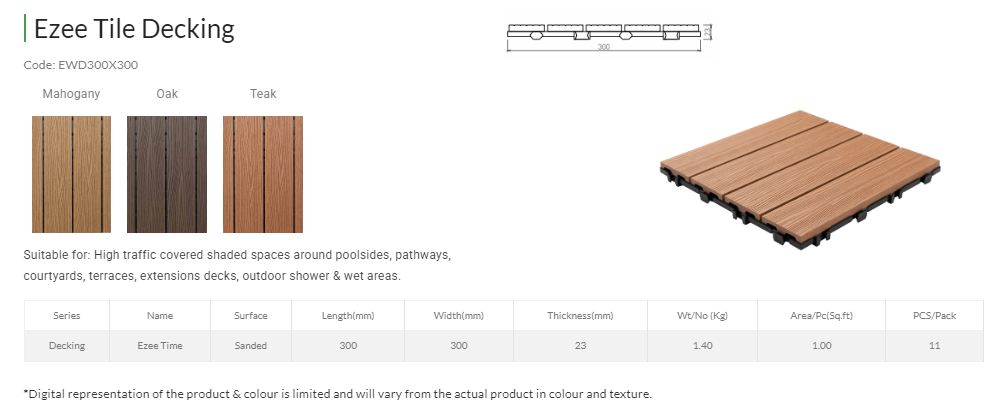
Interlocking deck tiles are a practical option for small balconies, rented apartments, and spaces where permanent flooring changes are not preferred. They can give an existing floor a fresh appearance without the complexity of a major renovation.
Their biggest advantage is simple installation. The tiles typically clip or lock together, making setup faster and more convenient than traditional flooring installation. They can also be removed when required, which is useful for tenants or homeowners who may relocate in the future.
Because they are available in WPC and composite formats, these deck tiles can offer the appearance of decking while working well in compact spaces. They are particularly useful when you want to improve the look of a balcony without committing to a permanent flooring system.
- Natural Stone / Pebble Mix
Natural stone and decorative pebbles can bring an organic, earthy character to balcony and terrace gardens. They work especially well around planters, along borders, or in small sections where you want to create visual separation between different flooring materials.
Their natural textures provide an attractive contrast when paired with wood-look decking, artificial grass, or other smooth surfaces. A carefully planned combination can make even a compact outdoor area feel more layered and visually interesting.
The main drawback is maintenance. Dirt, dust, and garden debris can settle between the pebbles, making the area more difficult to clean than a continuous flooring surface. Regular brushing and careful washing may be needed to keep the space looking neat.
Design Ideas: Combining Flooring Materials
Combining two or more flooring materials can make a balcony or terrace feel more organised and purposeful. Use different textures or finishes to visually separate seating areas, plant zones, pathways, and other functional spaces.
- WPC Decking + Artificial Turf: Place decking under chairs and add a small turf patch beside it. The contrast looks polished.
- Composite Decking + Stone Pebbles: Use decking with a narrow pebble strip around planters. It creates a simple Japanese-inspired garden layout.
- Zoned Spaces: Use terrace decking WPC in the seating area and tiles beneath heavier pots. This keeps planting areas easier to wash.
Why WPC Decking is the Ideal Choice for Indian Weather
Outdoor floors in India face heat, rain, humidity, dust, and intense sunlight. Compared with real wood, WPC is less vulnerable to termites and decay. Everwood also states that its decking resists fading, staining, scratching, splitting, cracking, and rot.
Its UV-resistant, anti-fading formulation helps the colour hold up under harsh sunlight. Routine care also avoids repeated sanding, polishing, sealing, oiling, or termite treatment.
This makes composite decking India practical for apartment owners who want a wood-like appearance with less upkeep. It suits exposed spaces.
WPC offers a clear balance of appearance, durability, and daily practicality.
Get Your Terrace Garden Flooring Done in India
A balcony or terrace does not need a major rebuild to become useful. The floor can define seating, frame greenery, and improve comfort. Good terrace garden flooring in India choices should balance safety, drainage, and durability.
Everwood provides premium WPC decking for outdoor applications, with professional project and installation support. Explore WPC outdoor decking boards for your balcony or terrace garden.
Choose outdoor decking in India designed for Indian conditions. Then contact Everwood for a sample or consultation.
Yes. WPC decking is suitable for outdoor balconies when the existing structure can support the added load. Proper drainage and professional installation are important.
Quality WPC decking is designed for outdoor exposure and can resist moisture, rain, and humidity. A suitable slope and drainage system should still be provided to prevent standing water.
Both have their uses. WPC offers a warmer, wood-like appearance and can provide a more comfortable outdoor setting, while tiles offer a hard, easy-to-clean surface.
Regular sweeping and occasional washing are generally enough to remove dust, leaves, and soil. Unlike natural wood, it does not require routine polishing, sealing, or termite treatment.
Yes. Combining materials can create defined zones for seating, plants, and pathways. WPC works particularly well with artificial turf and decorative stone for a structured garden look.