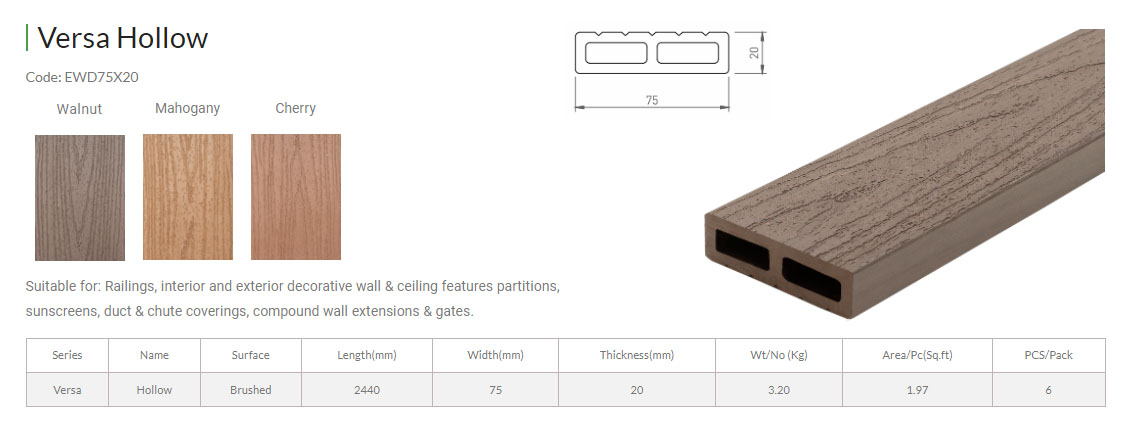
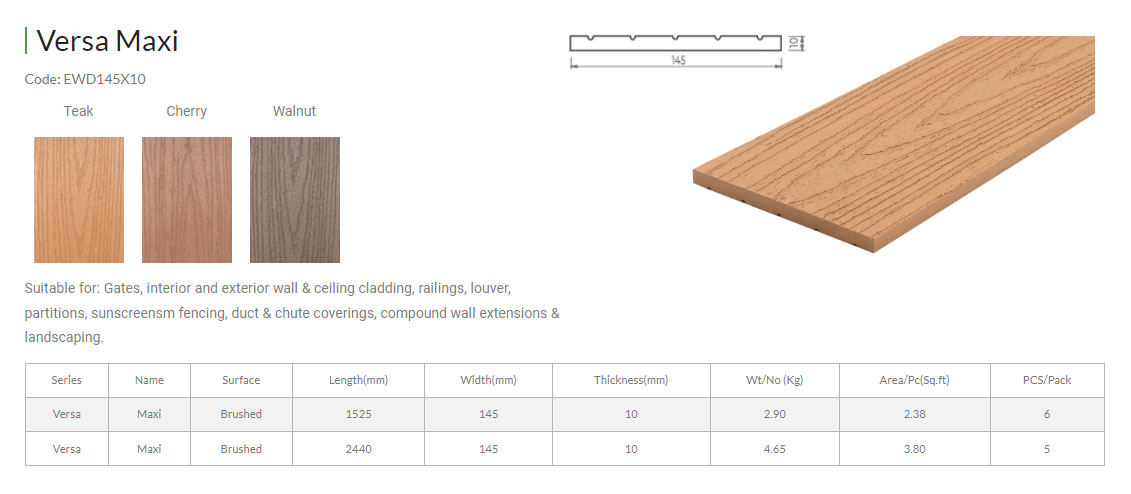
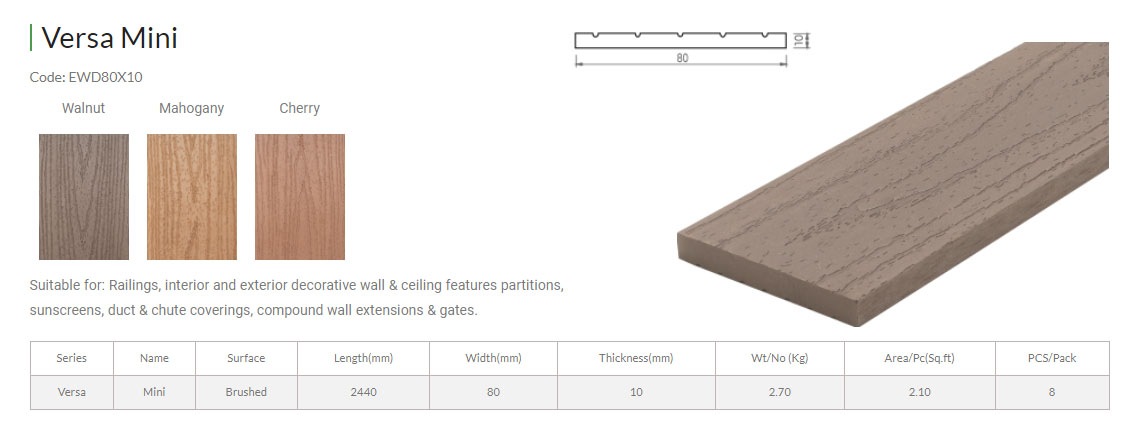
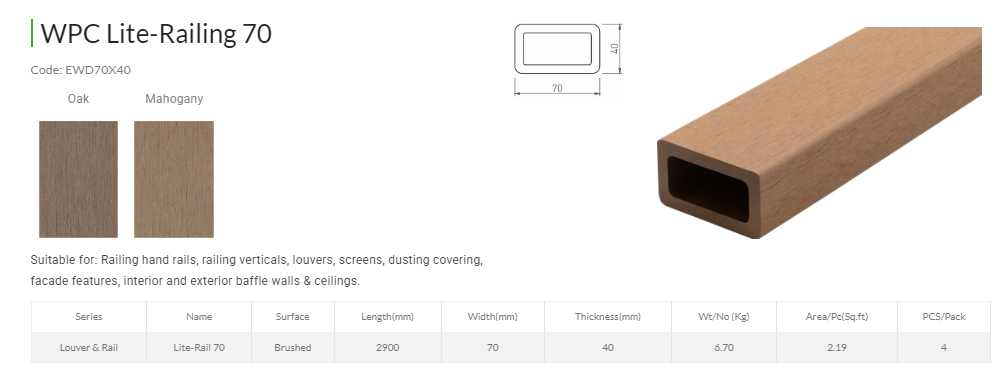
Introduction – The Shift in Modern Construction Choices
In today’s construction and architectural landscape, choosing the right material is no longer just about aesthetics—it’s about performance, sustainability, and long-term value. With evolving design needs and environmental awareness, professionals are moving away from traditional wood, metal, and cement boards that demand heavy maintenance and offer limited lifespan.
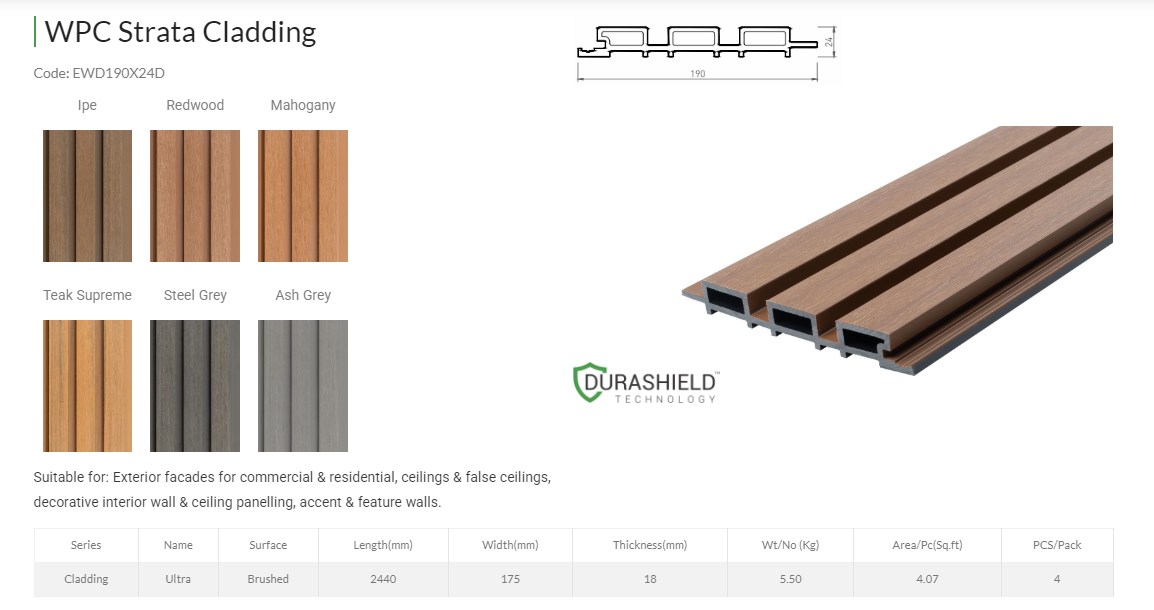
Everwood Ultra WPC Planks have emerged as the smarter, more durable, and design-forward choice for exteriors. Whether it’s cladding, facades, or soffits, Ultra WPC delivers the timeless look of wood with the resilience of advanced engineering.
Understanding Ultra WPC – Beyond Just Composite
WPC (Wood Polymer Composite) combines natural wood fibers and polymers to create a material that mimics the warmth of wood while eliminating its weaknesses. Everwood’s Ultra WPC takes this innovation further.
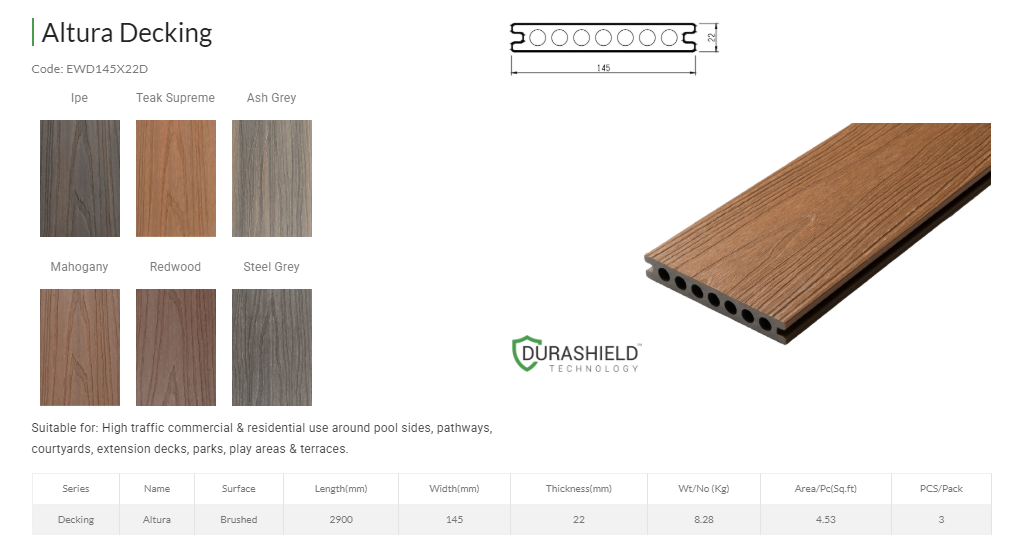
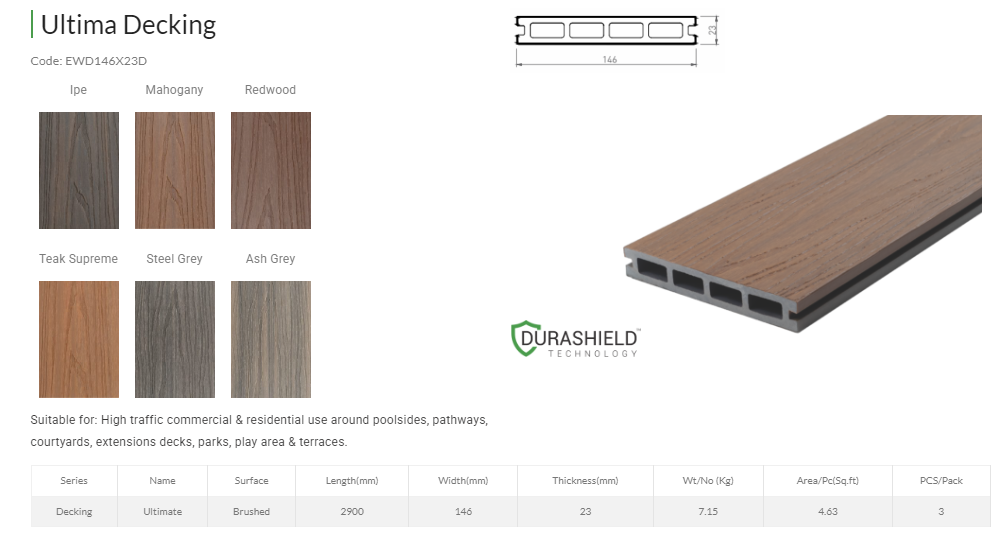
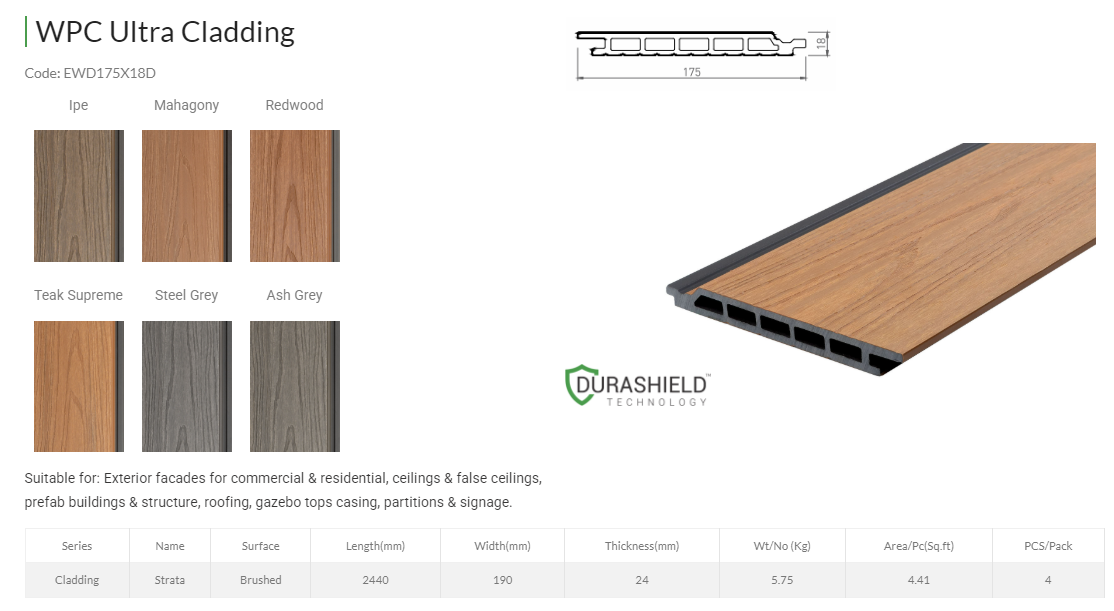
Its high-density core, Durashield protection layer, and dual-surface design make it stand out from conventional composites. The result? A surface that’s UV-resistant, weatherproof, and built to endure tropical conditions—perfect for Indian exteriors. Ultra’s refined wood textures and natural hues make it nearly indistinguishable from real wood, yet it never cracks, warps, or fades.
Why Professionals Prefer Ultra WPC
- Architects admire Ultra’s design flexibility and unparalleled range of natural finishes that complement modern architecture while aligning with green design goals.
- Builders appreciate its ease of installation, uniform quality, and long lifespan, which help streamline projects and minimize callbacks.
- Homeowners value its low maintenance, eco-friendly profile, and premium appearance that stays beautiful year after year.
Ultra WPC brings together aesthetics, performance, and peace of mind—qualities that resonate across all segments of the construction chain.
Comparison: Ultra WPC vs Traditional Materials
| Feature | Traditional Wood | Cement Board / HPL | Ultra WPC |
| Weather Resistance | Warps, cracks | Prone to chipping | 100% Weatherproof |
| Maintenance | Frequent painting | Coating required | No repainting |
| Aesthetic Variety | Limited | Artificial look | Natural wood textures |
| Durability | Medium | High | Superior |
| Sustainability | Low | Moderate | Eco-friendly & recyclable |
Applications Where Ultra Excels
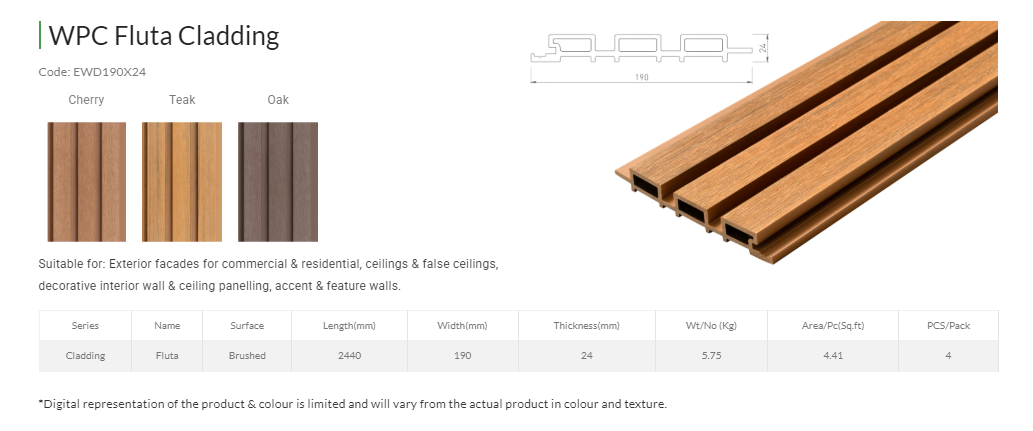
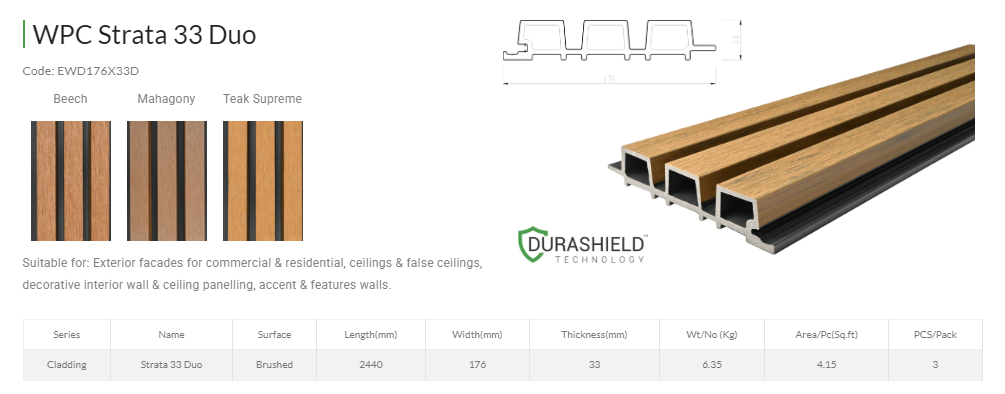
- Exterior cladding & facades
- Balcony ceilings and soffits
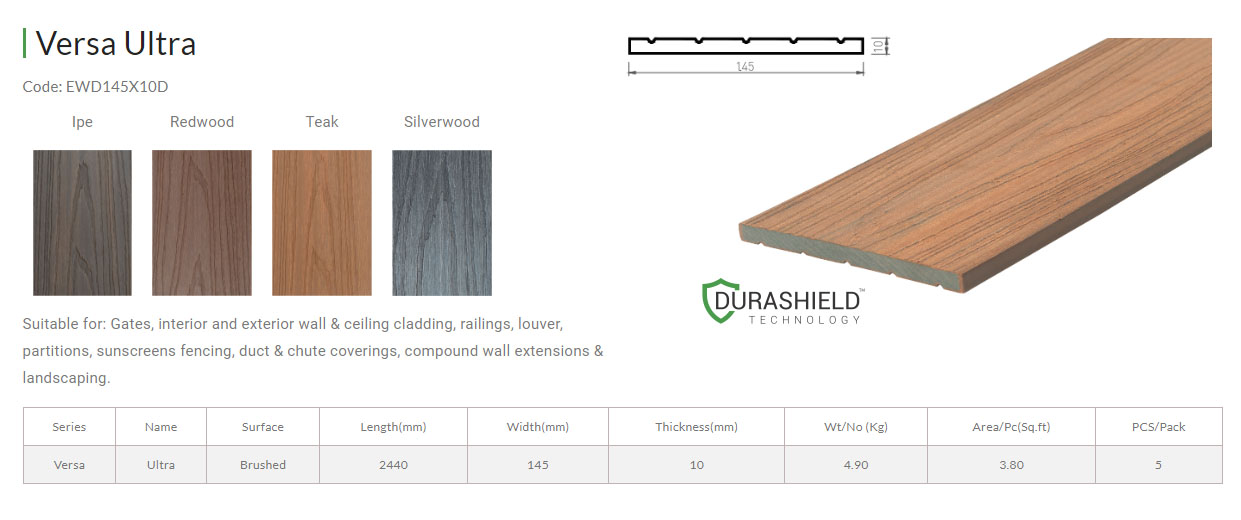
- Boundary walls, gates, louvers
- Partitions and signage
Long-Term ROI – The Cost of Maintenance vs Longevity
While traditional materials may seem cheaper initially, frequent repainting, coating, or replacements quickly add up. Ultra WPC’s long life and zero-maintenance nature make it the smarter long-term investment. The savings in upkeep and replacement costs deliver a clear return on durability.
Design Freedom & Sustainability
Available in a range of colors, finishes, and dual-surface textures, Ultra WPC offers creative freedom without compromise. It’s also eco-friendly, reducing deforestation by replacing natural wood and being fully recyclable at the end of its life cycle.
The Material of the future
For architects, builders, and homeowners seeking a balance of style, strength, and sustainability, Everwood Ultra WPC is setting a new benchmark in modern construction.
Explore Everwood Ultra WPC – where performance meets design.
Your ULTRA WPC Questions answered
1. What is Ultra WPC and why is it better than wood?
Ultra WPC is a high-density wood polymer composite that has the aesthetics of wood but lasts much longer. It doesn’t warp, fade, or need repainting.
2. Can Ultra WPC be used for both interior and exterior designs?
Yes. It’s mainly used for exterior cladding, ceilings, and facades, but can also be used indoors for partitions and wall panels.
3. Is Ultra WPC waterproof?
Completely. Its sealed Durashield surface keeps out moisture, making it ideal for humid or rainy areas.
4. Does Ultra WPC fade in sunlight?
No. It’s UV-stabilized to retain its original color and finish even in strong sun exposure.
5. How long does Ultra WPC last compared to traditional wood?
Ultra WPC can last more than 20 years with minimal maintenance — far longer than natural wood.
6. Is Ultra WPC good for sustainable building projects?
Yes. It’s eco-friendly, recyclable, and helps reduce the need for deforestation.
7. Can Ultra WPC planks replace cement boards or HPL panels?
Yes. They are stronger, lighter, and don’t crack or peel like cement or laminate panels.
8. Do I need to paint or polish Ultra WPC planks?
No painting or polishing is required. Just occasional cleaning is enough to maintain the look.
9. Is Ultra WPC safe for residential projects?
Absolutely. It’s fire-retardant, termite-resistant, and completely non-toxic.
10. Where can I buy or see samples of Ultra WPC planks?
You can contact Everwood or request samples directly from their official website.