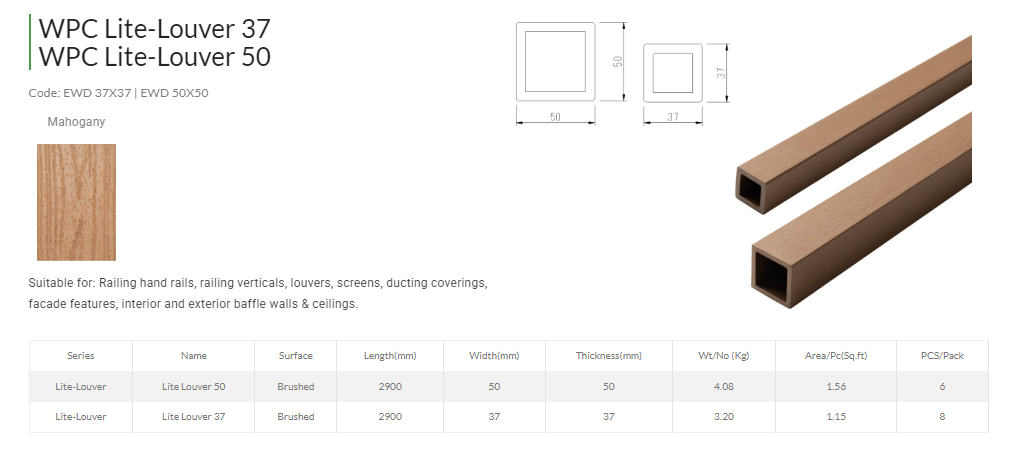
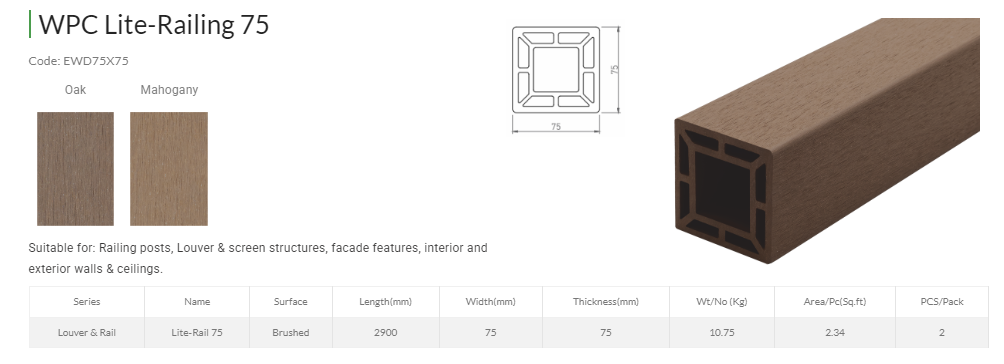
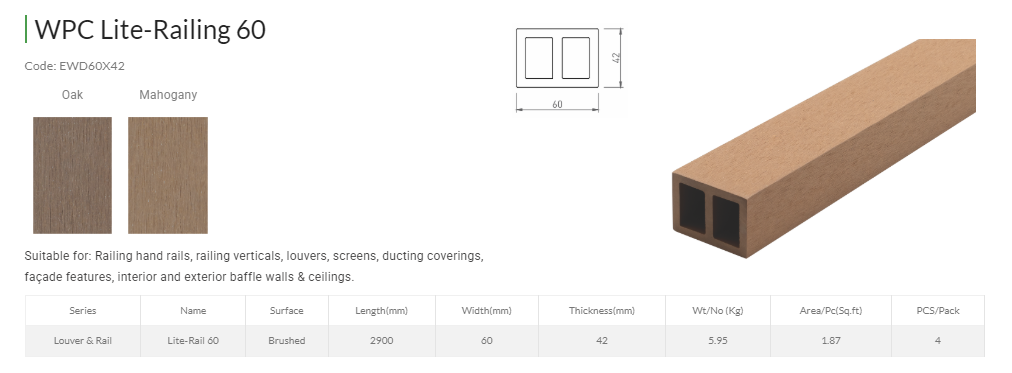
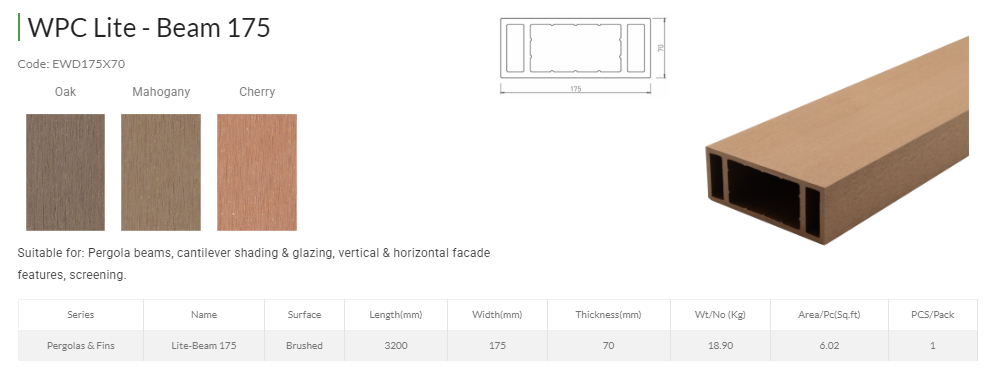
More than defining a building’s appearance, an exterior facade faces harsh sunlight, heavy rain, humidity, dust and constant temperature changes. The right cladding should look good while standing up to these conditions for years.
Two popular choices are Wood Plastic Composite (WPC) and High-Pressure Laminate (HPL). Both are widely used in modern architecture, but their composition and long-term performance differ.
When comparing WPC vs HPL cladding, WPC is the stronger long-term choice for exterior facades. It combines the warmth of wood with the weather resistance and low maintenance needed for demanding outdoor environments.
Everwood WPC, for example, is designed for exterior architectural applications where appearance and durability work together.
Understanding the Basics
Before choosing a facade material, look beyond colour and finish. The material itself determines how the cladding responds to moisture, heat, UV exposure and daily wear.
WPC and HPL serve similar architectural purposes, but are built very differently and become important over years of outdoor exposure.
What is WPC Cladding?
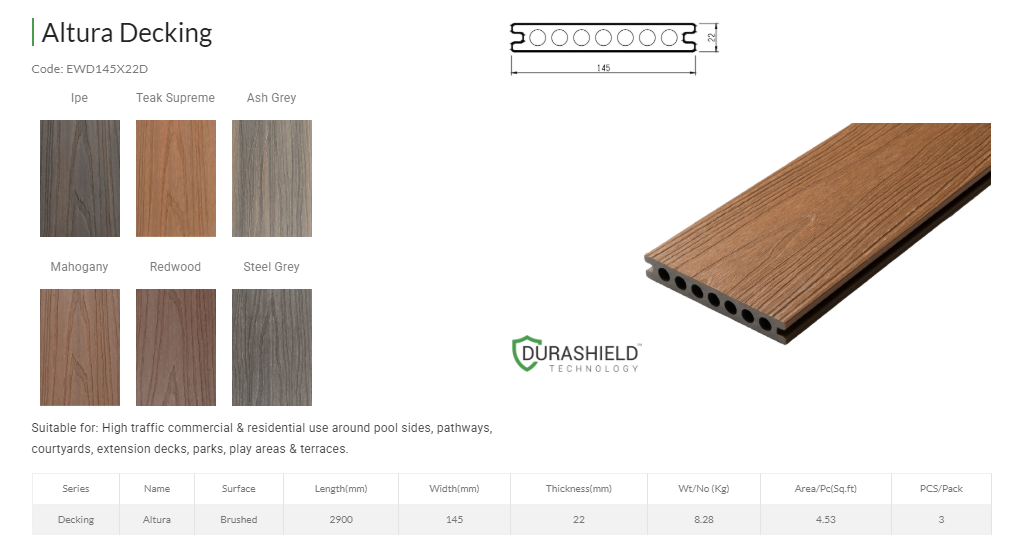
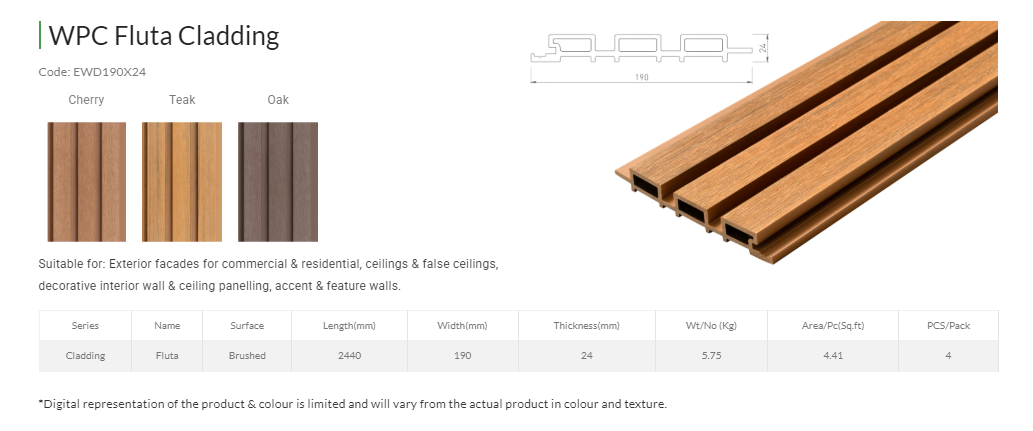
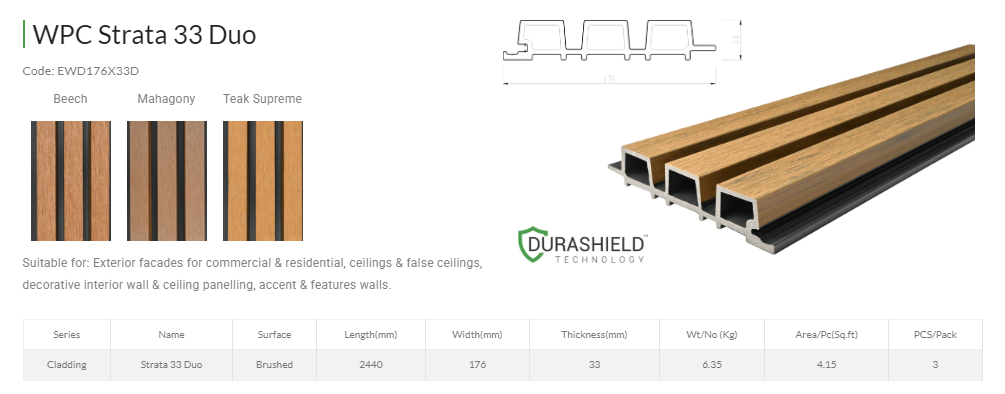
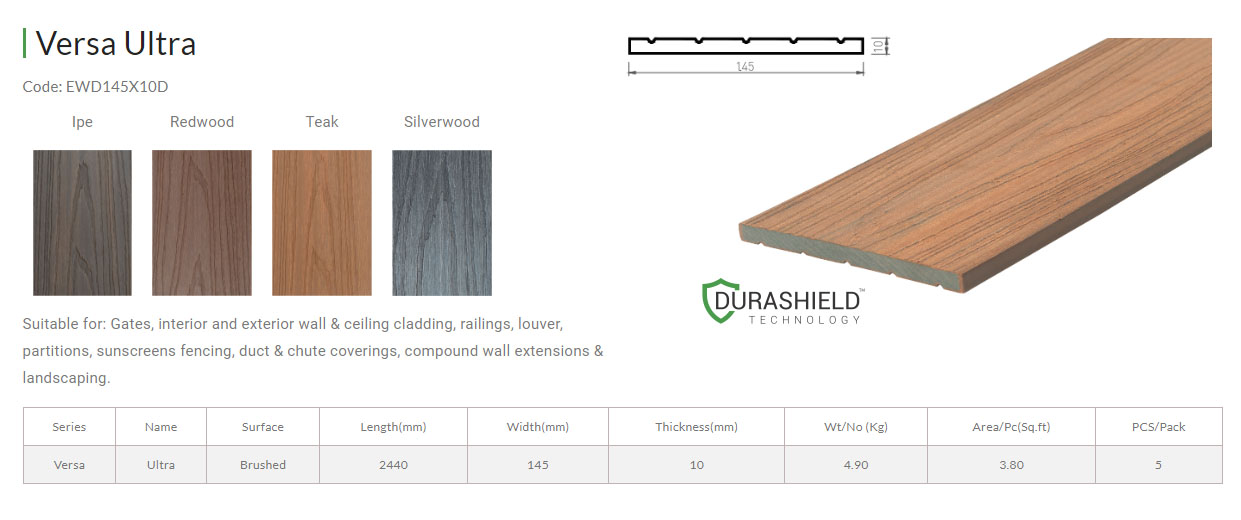
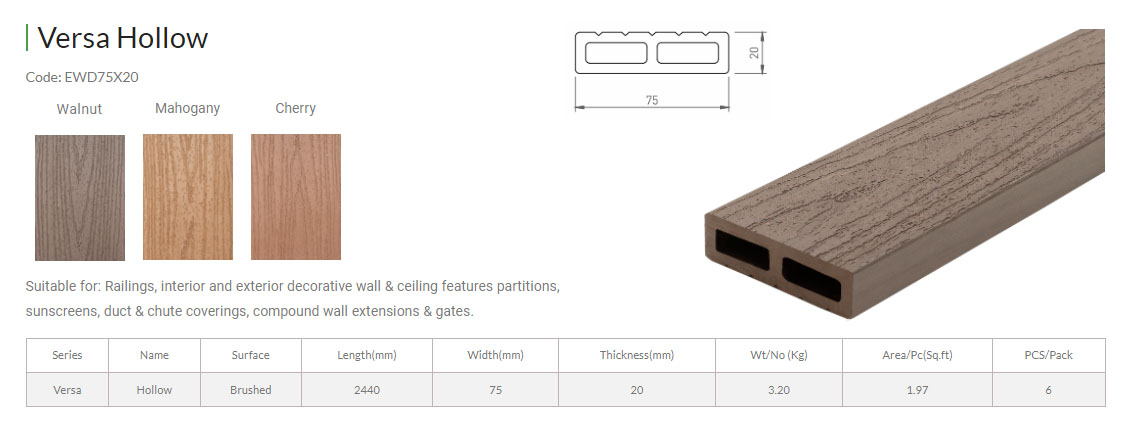
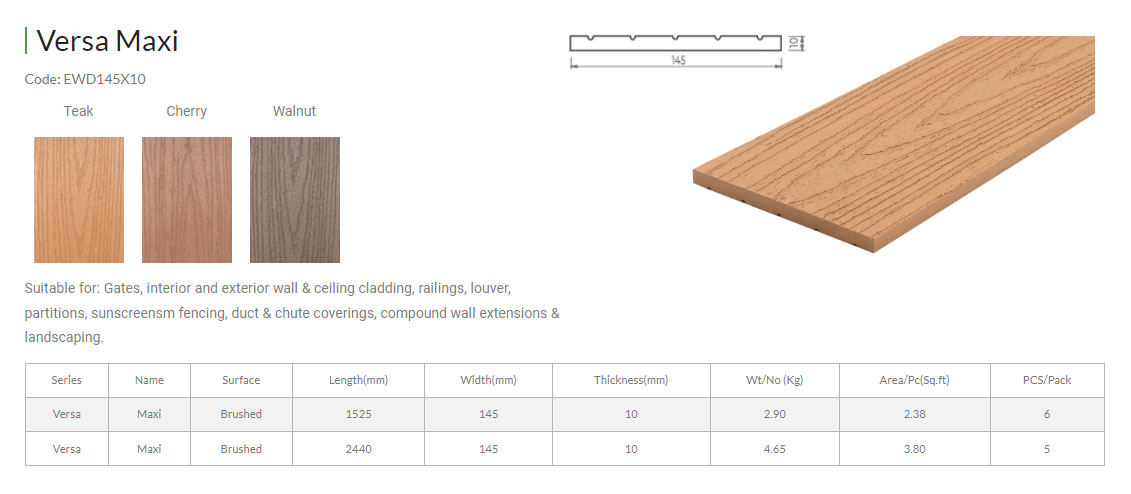
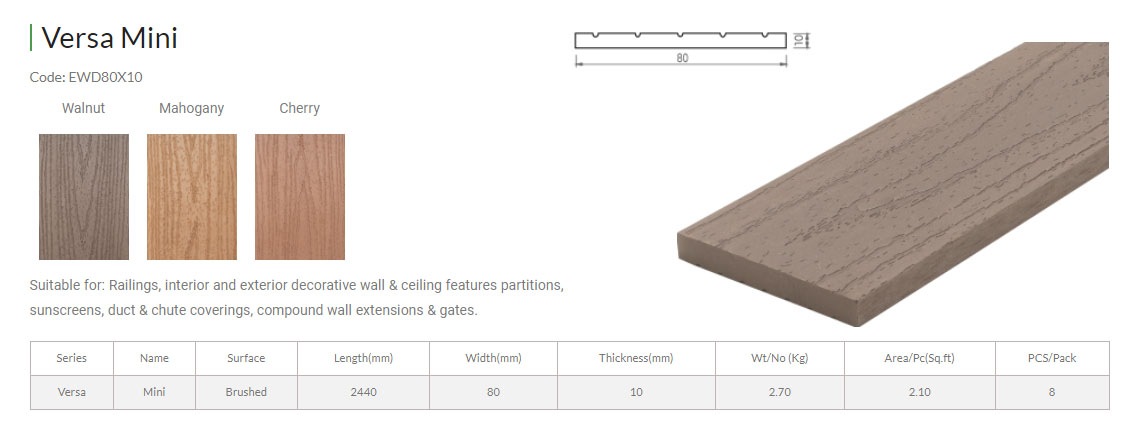
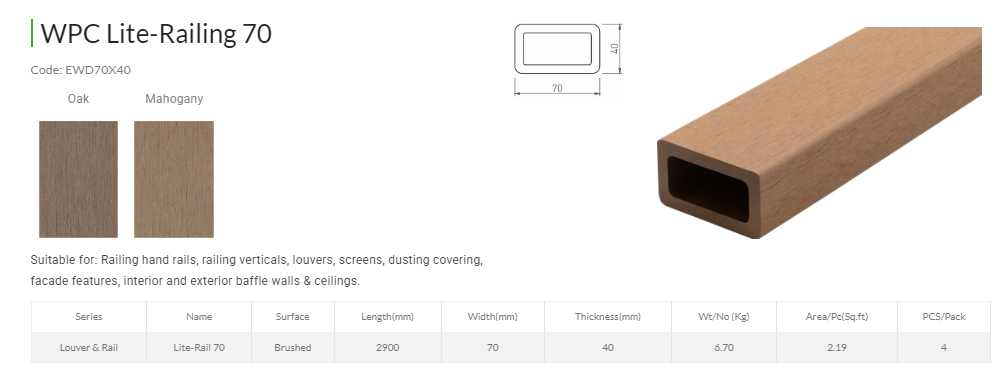
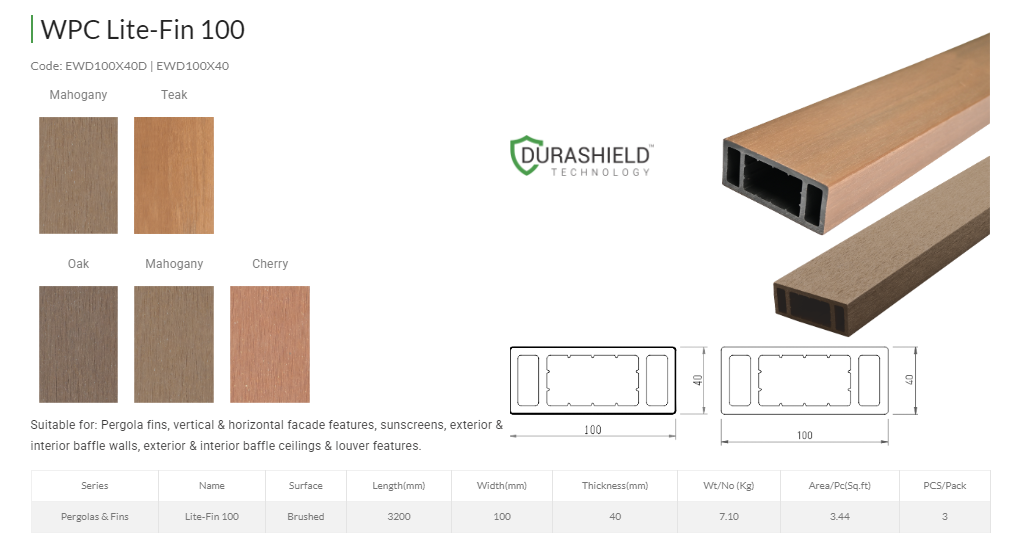
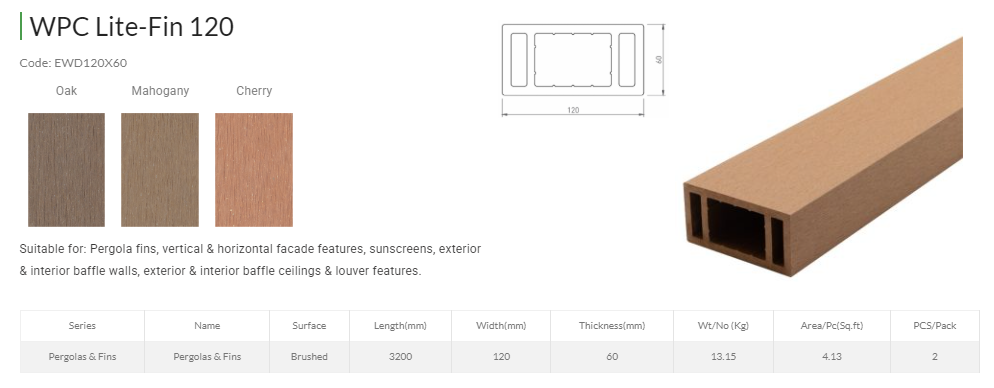
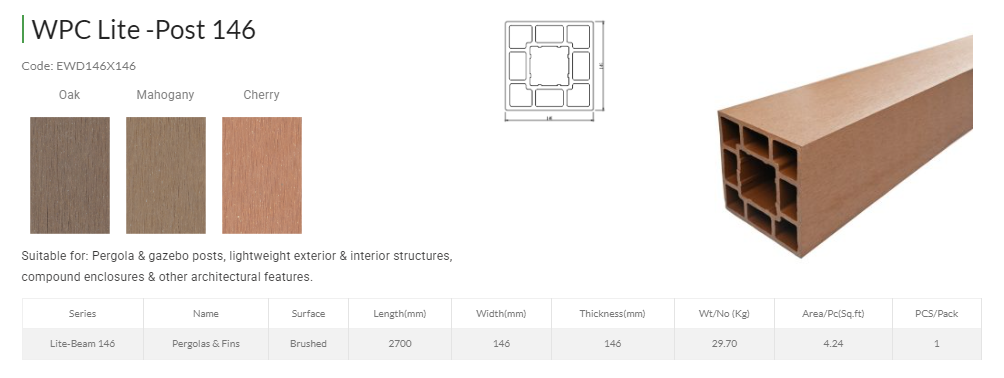
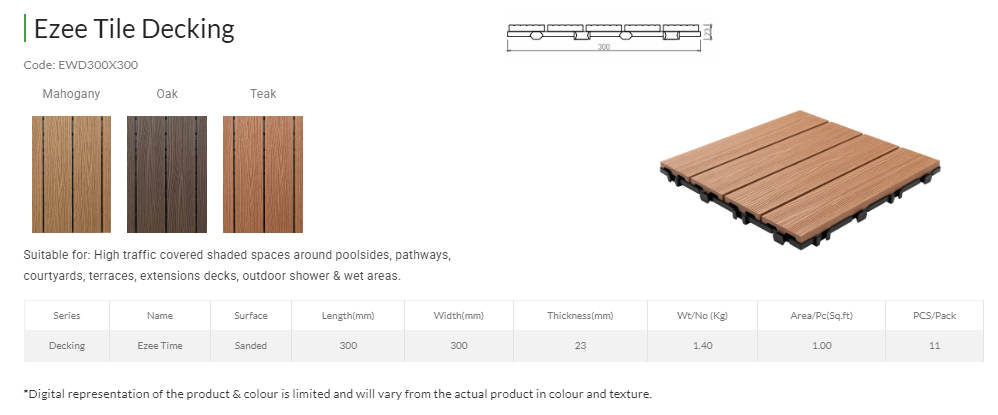
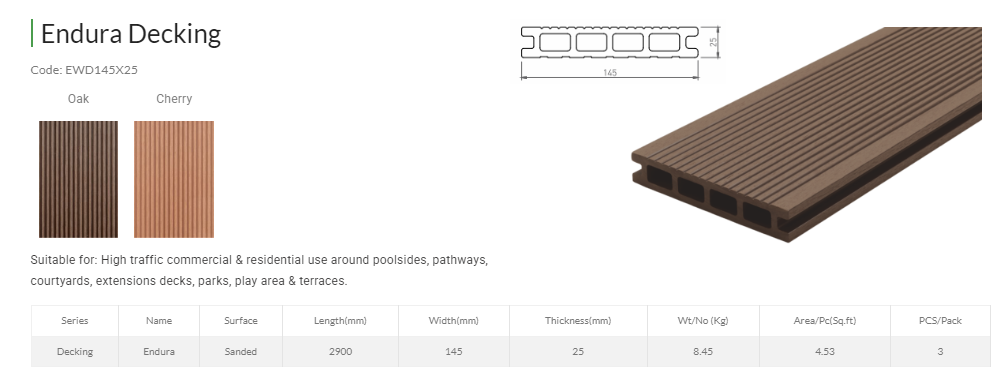
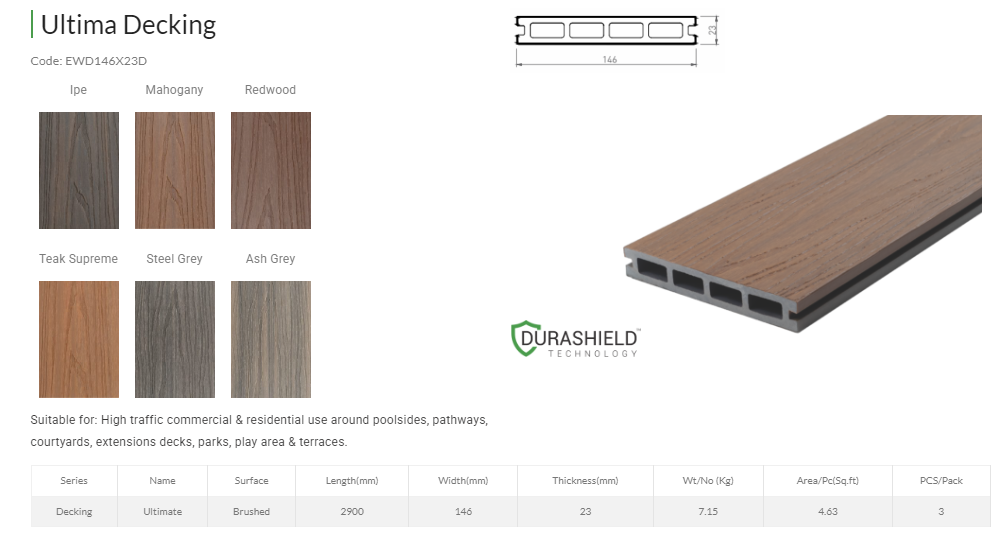
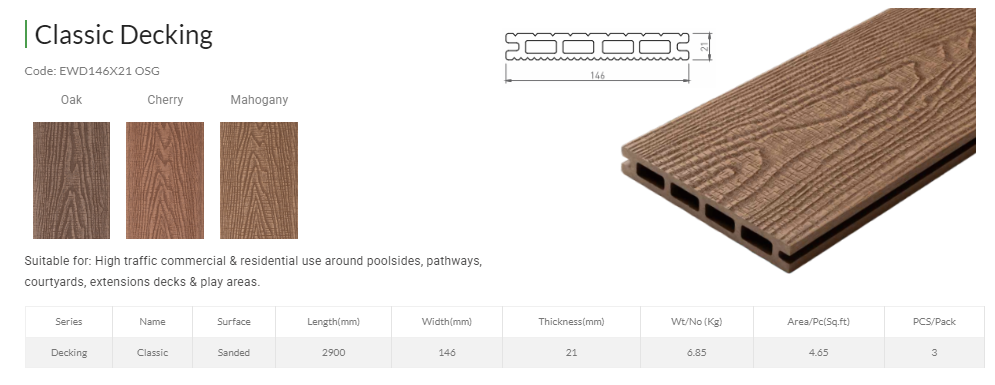
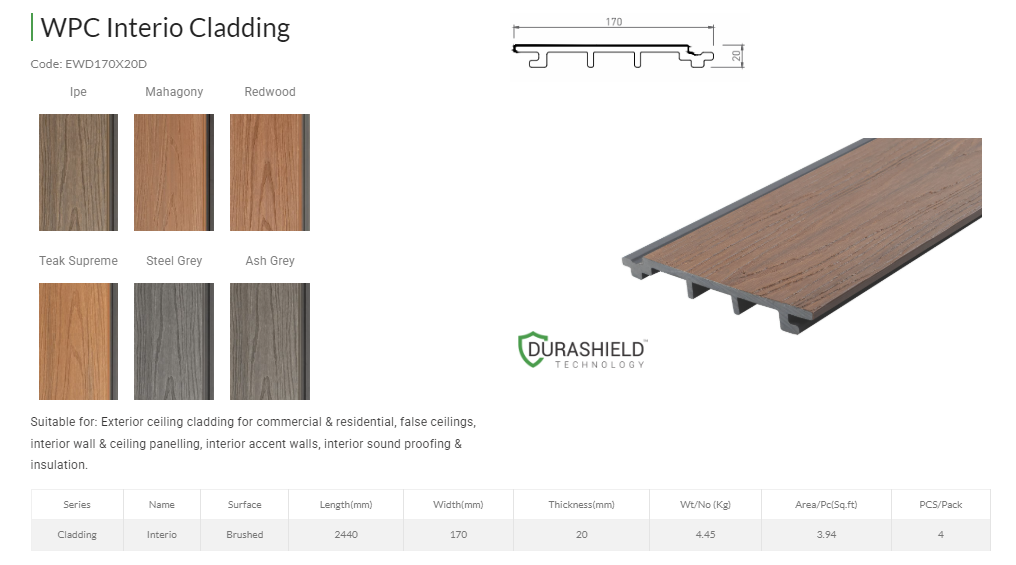
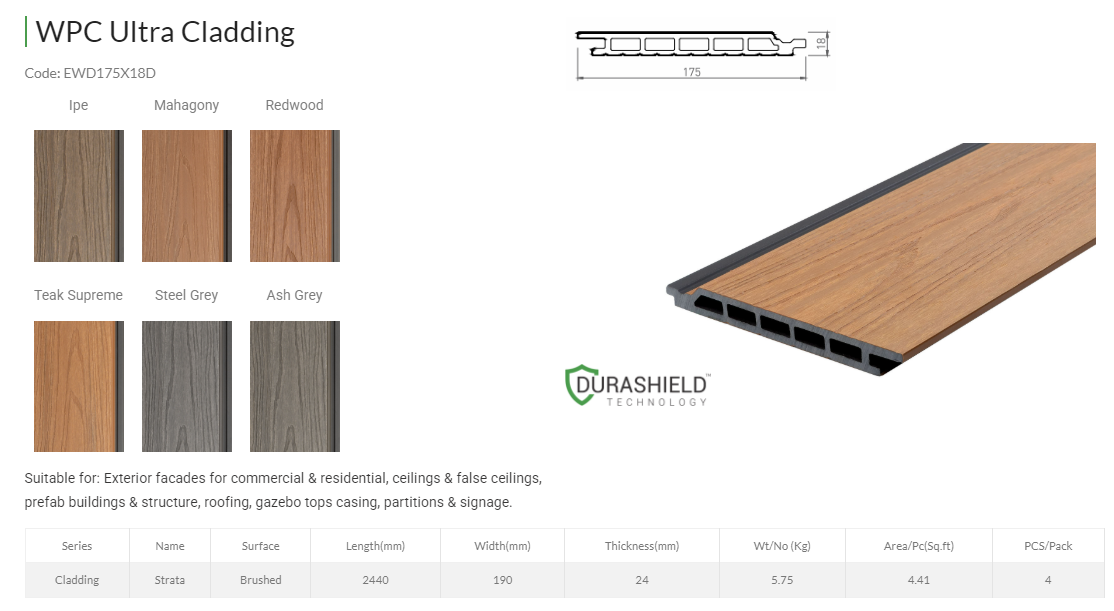
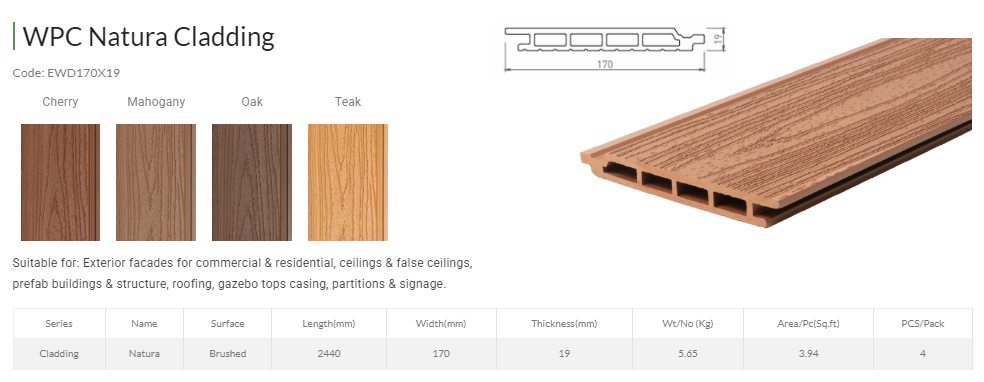
WPC cladding is made by combining natural wood fibres or wood powder with high-density polymers and other performance-enhancing additives. The result is a composite material that offers the visual appeal of wood with improved resistance to moisture, insects and weather.
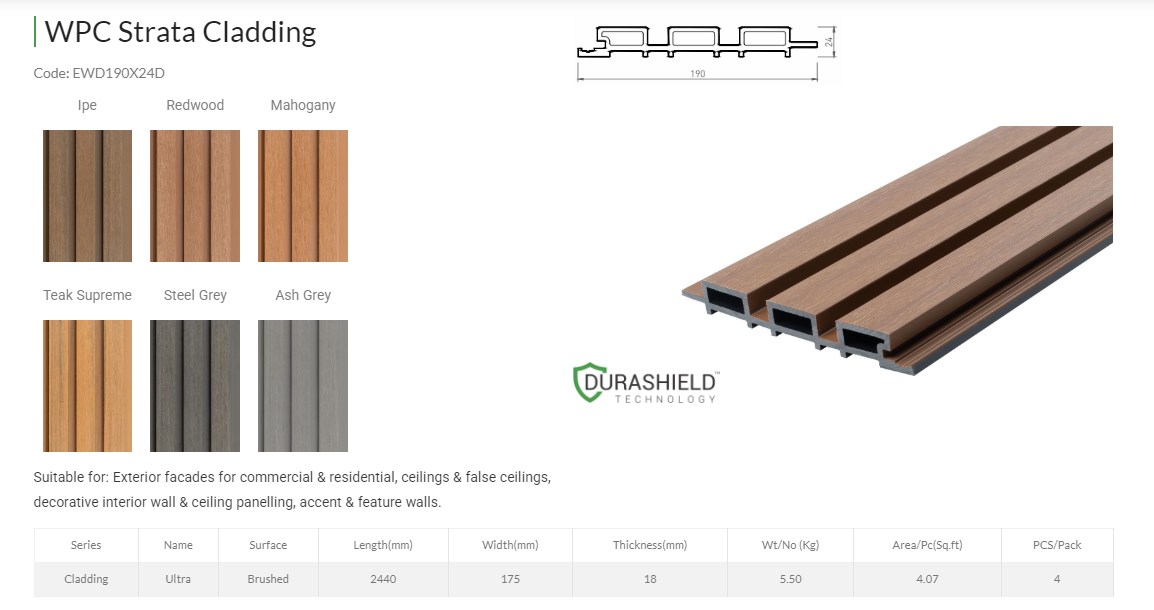
Modern WPC wall cladding panels are available in profiles and finishes that create depth, texture and a more natural wood-like appearance. Everwood’s exterior cladding range also uses interlocking systems and concealed fixtures for a clean, seamless finish.
What is HPL Cladding?
HPL cladding is made from multiple layers of kraft paper impregnated with resin. These layers are pressed together under high heat and pressure to create a dense decorative panel.
HPL offers a wide range of colours and printed finishes. However, its long-term exterior performance depends heavily on panel quality, edge treatment, installation and protection from moisture ingress.
Key Comparison Factors
Apart from looking good, a facade material needs to withstand years of heat, rain, humidity, and exposure without requiring constant attention. Here is how WPC and HPL compare across the factors that matter most for exterior applications.
- Weather & UV Resistance
Indian weather can be unforgiving. A facade may experience intense sunlight for months, followed by heavy monsoon rain and high humidity.
Quality WPC is designed for outdoor exposure and offers strong UV stability and moisture resistance. Everwood states that its WPC cladding is engineered to withstand varied climatic conditions, including intense heat, UV exposure, rainfall and humidity.
HPL can also perform well outdoors when high-quality exterior-grade panels are correctly installed. However, its performance may depend more on edge sealing, substrate conditions, and the overall installation system.
- Maintenance & Durability
WPC has a clear advantage for homeowners and project teams looking to reduce upkeep. It does not require regular painting, sanding or polishing. Routine cleaning and periodic inspection are generally sufficient.
HPL panels can require greater attention over time, especially around edges and joints. Damage to the surface or poorly protected edges may create weak points where moisture can affect the panel.
For those considering WPC durability — how long does WPC last outdoors? Quality WPC can offer a long service life. Everwood states that good-quality WPC cladding can last up to 30 years under suitable conditions and can be recycled during its lifecycle.
- Aesthetics & Texture
WPC brings depth to a facade. Its brushed surfaces, profiled forms and wood-grain textures can create a richer, more dimensional appearance.
HPL offers consistency and a large selection of colours and decorative patterns. However, many finishes have a flatter, printed appearance compared with textured composite profiles.
For projects where the aim is to achieve the warmth and character of wood without the maintenance demands of natural timber, WPC wall cladding panels offer a compelling balance.
- Termite & Pest Resistance
Natural wood can attract termites and other pests. WPC reduces this concern because of its composite structure and polymer content.
HPL’s resin-based construction offers protection, but performance still depends on maintaining the integrity of the panel and its edges.
- Sustainability & Eco-Friendliness
WPC can incorporate recycled plastics and wood-based materials, giving discarded resources a longer useful life.
HPL relies heavily on kraft paper, resins and chemical binders. While some HPL products may follow sustainability standards, the material composition and manufacturing process can be more resource-intensive.
Factor | WPC Cladding | HPL Cladding |
Water Resistance | Highly moisture resistant | Good, but edges and joints need careful protection |
Maintenance | Low; no regular painting or sanding | Can require more attention over time |
Lifespan | Long-term outdoor performance | Depends strongly on product quality and installation |
UV Stability | High UV resistance in quality products | Exterior-grade products perform well, but surface ageing can vary |
Eco-Friendliness | Can use recycled materials and is recyclable | Relies heavily on resin-based laminated construction |
Why WPC is the Clear Winner for Exterior Facades
A good facade should age gracefully. It should retain its appearance without turning maintenance into a recurring project.
WPC brings together natural wood aesthetics, weather resistance, low water absorption and protection against termites. It also removes the need for regular painting and polishing.
For exterior cladding in India, this is essential. Buildings across the country face very different weather conditions, from intense heat and coastal humidity to heavy monsoon rainfall. The cladding system needs to suit the environment, not just the design concept.
With the right product and proper installation, quality WPC will provide decades of service while maintaining its finish with minimal upkeep.
WPC vs HPL Cladding – Which One to Choose
Both WPC and HPL have a place in modern architecture. But when the priority is a durable, low-maintenance and naturally appealing exterior, WPC offers the stronger long-term proposition.
It handles demanding weather, resists moisture and termites, and delivers the warmth of wood without the repeated maintenance associated with natural timber. For modern exterior cladding India projects, these benefits will make a real difference over the life of a building.
Upgrade your building exterior with premium WPC cladding solutions from Everwood. Explore the range today or contact Everwood’s experts to find the right solution for your facade.
Yes. Quality WPC cladding India solutions are designed to handle demanding outdoor conditions, including strong sunlight, rain, humidity and temperature changes.
High-quality WPC cladding can offer decades of outdoor performance with proper installation and basic care. It is also less demanding to maintain than natural wood.
Quality WPC cladding is manufactured with UV-resistant properties to help reduce colour fading caused by prolonged sun exposure.
WPC has very low water absorption, making it well suited to rainy and humid environments. Unlike natural wood, it does not readily absorb moisture, swell or rot.
No. One of the main advantages of WPC wall cladding panels is that they do not require regular painting, sanding or polishing. Basic cleaning is generally enough to maintain their appearance.