India’s construction sector is growing fast. New homes, commercial spaces, hospitality projects and public infrastructure are changing the country’s skyline. But this growth also raises an important question: What should we build with?
Traditional materials, especially natural timber, come with environmental and practical challenges. Large-scale timber use can add pressure to forests. In India, wood also has to deal with heavy monsoons, humidity, intense heat, termites and fungal decay. A material that looks good on day one may need frequent maintenance to stay that way.
Architects and developers are looking for sustainable building materials in India in 2026 that offer durability without placing unnecessary pressure on natural resources.
Wood Plastic Composite, or WPC, fits into this shift. Made by combining wood fibres with polymers, WPC offers the appearance and warmth associated with wood while addressing many of its limitations.
What Makes WPC a Truly Sustainable Choice?
Sustainability is not only about choosing a material that looks natural. It is also about how the material is made, how long it lasts and how much maintenance it demands over its lifetime. WPC brings these factors together in one material.
- Recycled Composition
Quality WPC products can use reclaimed wood fibres and recycled polymer content. This helps put existing materials to productive use instead of sending them directly to landfills.
For construction projects focused on responsible material choices, this makes sustainable building materials in India more than just a design trend.
- Helps Reduce Pressure on Forest Resources
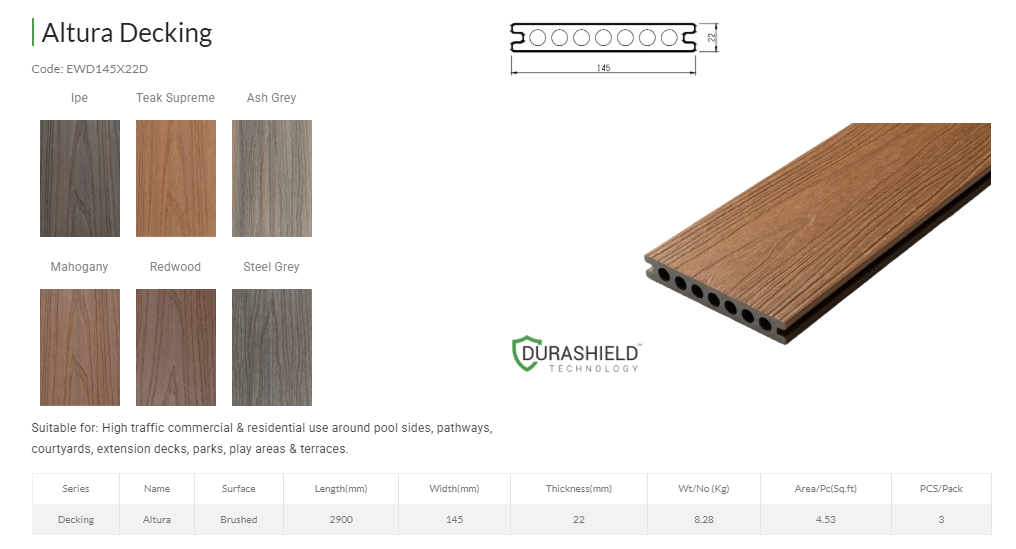
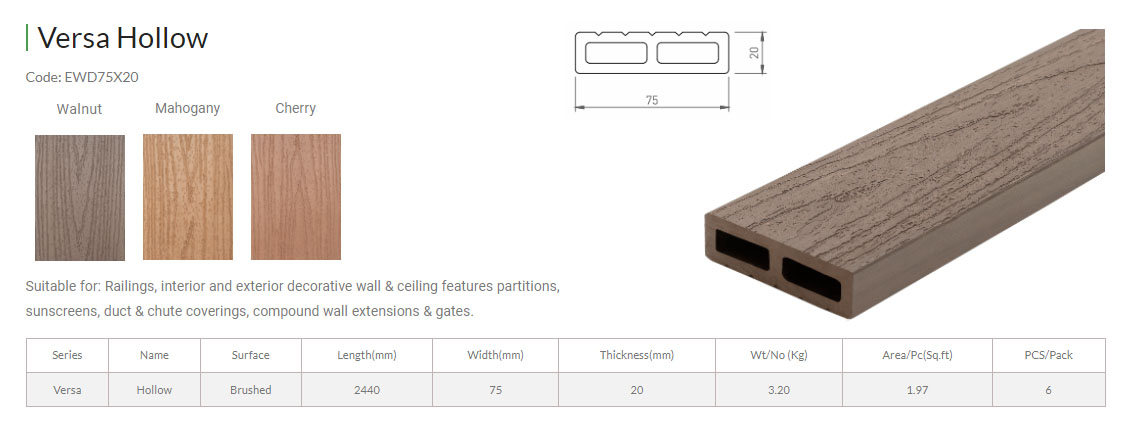
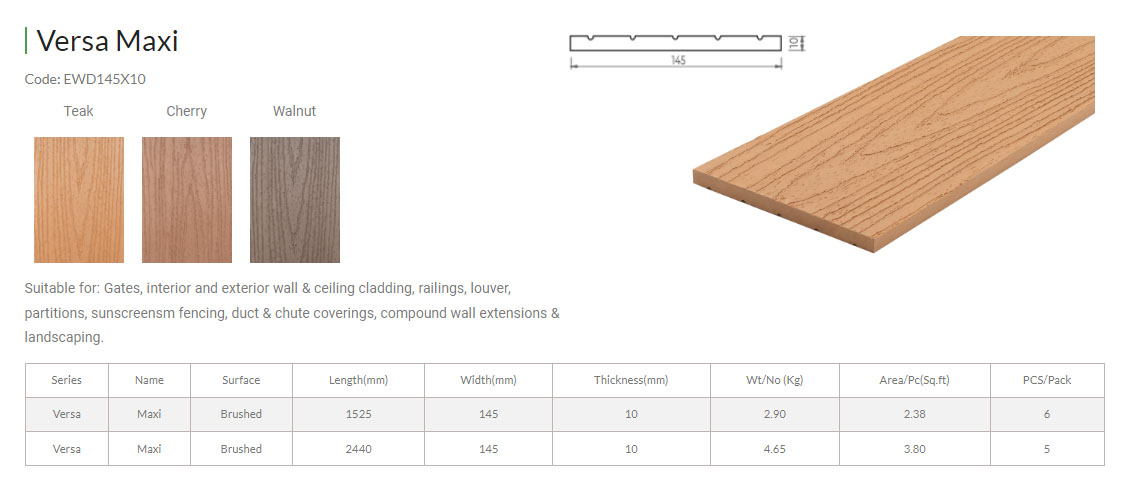
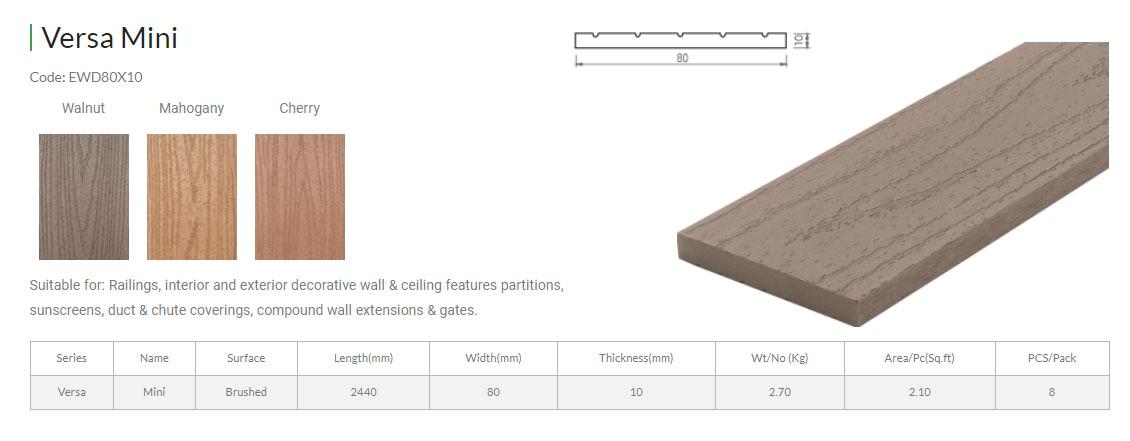
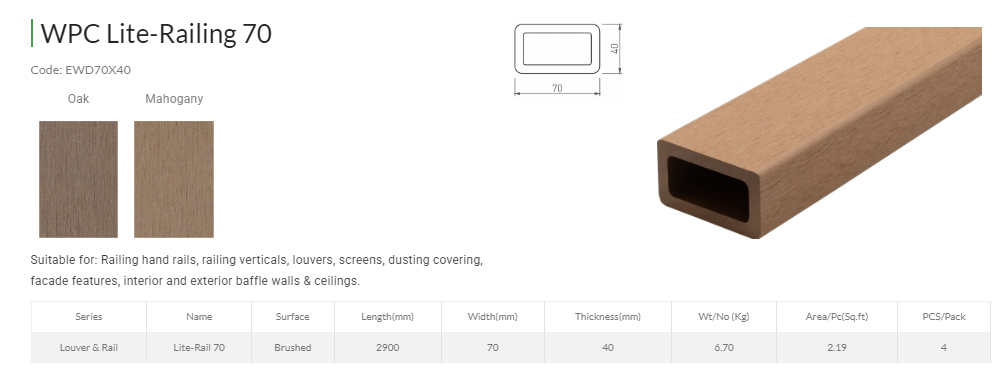
WPC can replace natural wood in applications such as cladding, decking, wall panels and louvers. When projects reduce their dependence on freshly harvested timber, they can also reduce demand for commercial logging. It offers a wood-like finish without requiring the same volume of natural timber.
- Safe for Modern Spaces
WPC is also designed for practical everyday use. Premium products can offer low-maintenance surfaces suitable for both indoor and outdoor applications. The right product selection matters, particularly when a project has specific requirements related to emissions, fire performance or safety standards.
Built for the Indian Climate
A façade may face heavy rain for months and extreme heat during the summer. In coastal and humid regions, moisture and pests create another layer of concern. Hence, wood-plastic composite in India has a clear advantage over conventional timber.
- Water and Weather Resistance
Natural wood can absorb moisture, swell, warp or crack when exposed to changing weather conditions. WPC is designed to offer better resistance to moisture and weather exposure, making it well suited to Indian conditions.
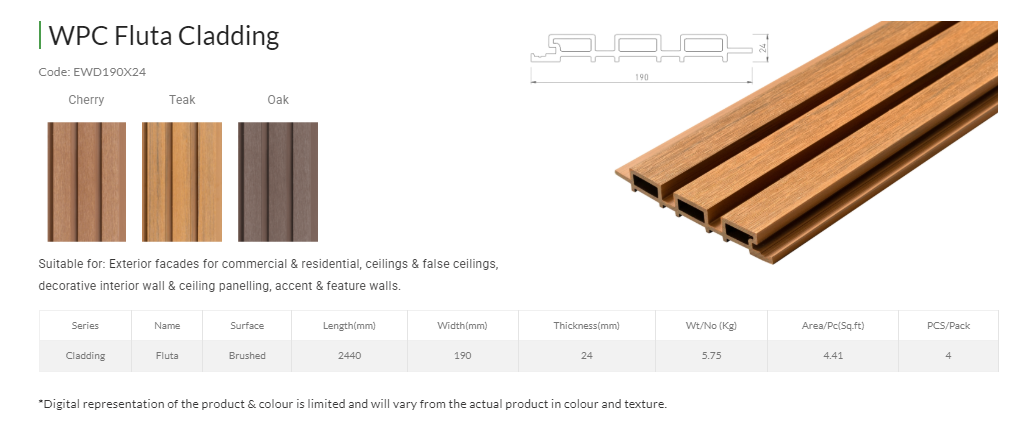
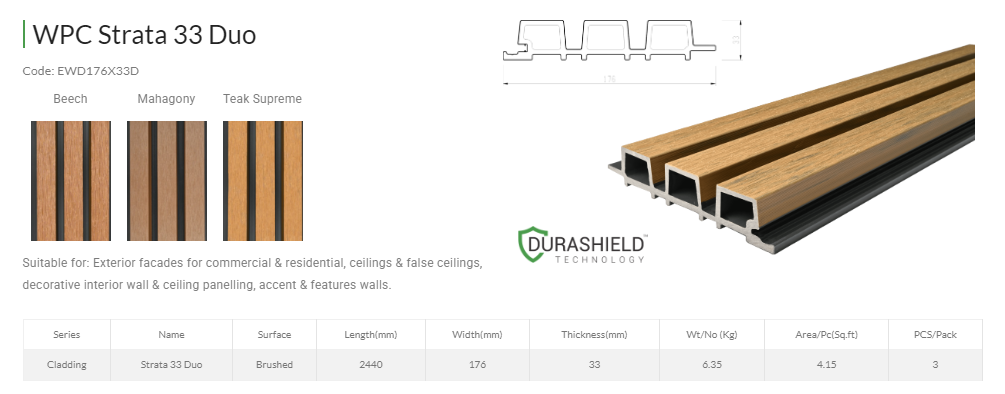
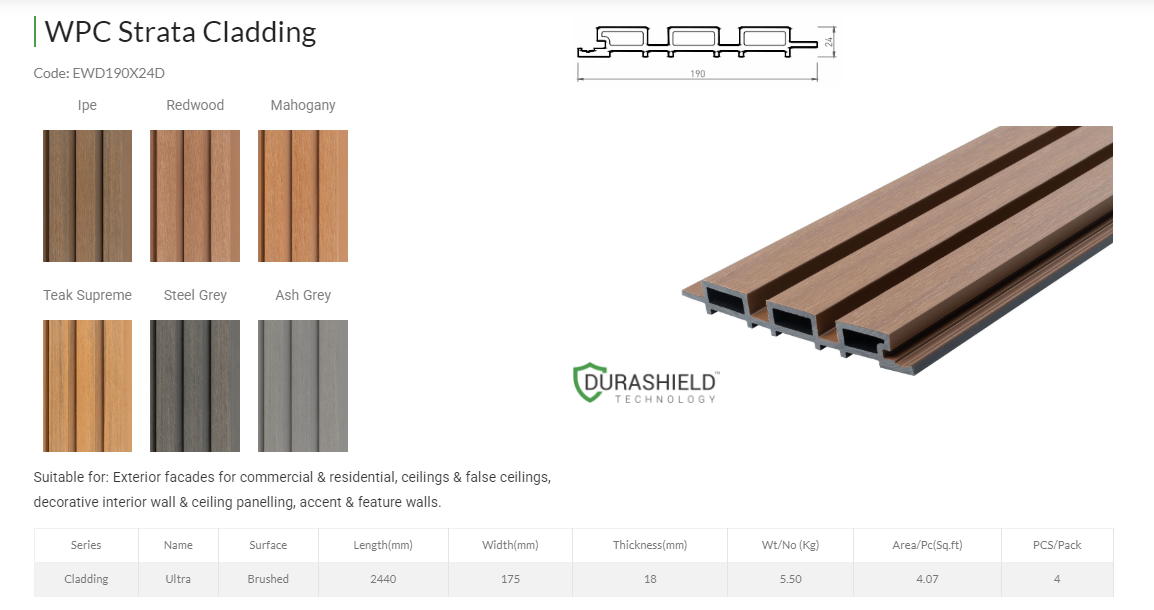
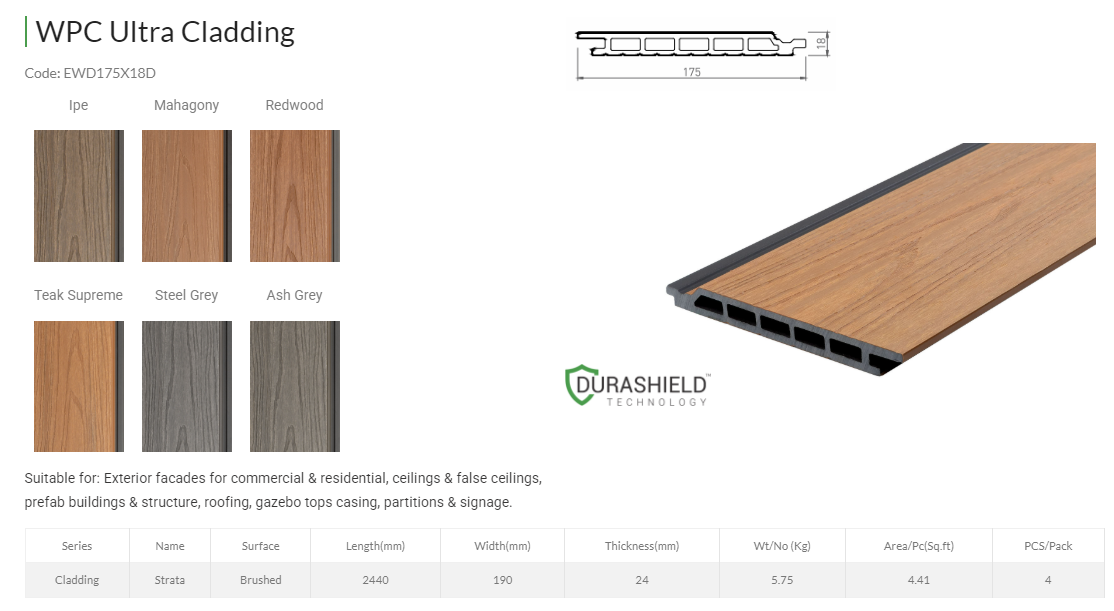
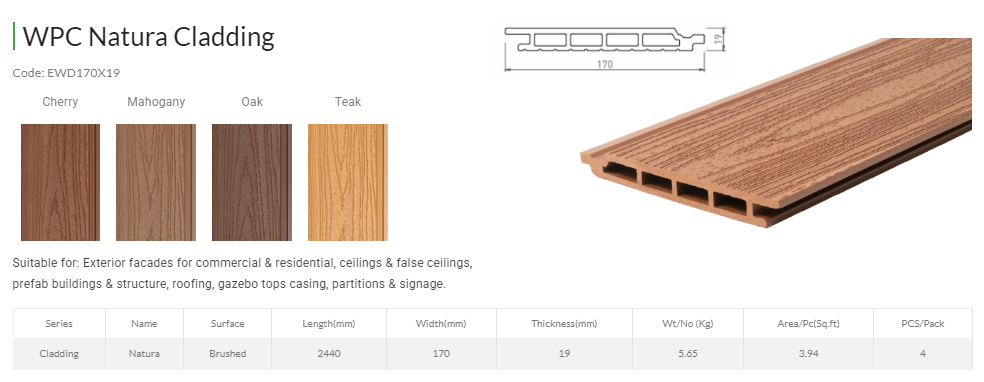
For exterior façades, WPC cladding in India provides a durable option for projects that need a consistent finish through changing seasons.
- Resistance to Termites and Rot
Termites are a familiar problem in many parts of India. Humidity can also encourage fungal decay in untreated or poorly maintained wood.
WPC does not offer the same organic environment that makes natural timber vulnerable to these issues. This can reduce concerns around rot, insect damage and regular replacement.
- Better Fire Performance
Fire performance depends on the specific WPC formulation and product design. Premium WPC systems can be engineered with fire-retardant properties for applications where improved fire resistance is required.
Cost Efficiency: Low Maintenance & Long Lifespan
The purchase price of a material tells only part of the story. Maintenance, repairs, coatings and replacements also add to the total cost over time.
- No Regular Polishing or Painting
Natural wood often needs staining, sealing, polishing or protective treatments. These maintenance routines require time, labour and additional products. WPC generally requires far less upkeep. Regular cleaning is usually enough to maintain its appearance.
- Better Long-Term Value
The question is not simply WPC vs natural wood decking — which is better? The better choice depends on the application, budget and desired finish.
However, for spaces exposed to rain, sunlight and regular foot traffic, WPC decking in India can offer a lower-maintenance alternative. While initial costs may be comparable in some projects, reduced maintenance and longer service life can improve the overall cost of ownership.
- Faster Installation
WPC systems are designed for efficient installation. With the right accessories and planning, cladding and decking projects can move faster with less site work.
Versatile Applications Across Indian Spaces
WPC can work across exterior architecture and interior detailing. The same material family can help create visual consistency across different parts of a project.
- Exterior Applications
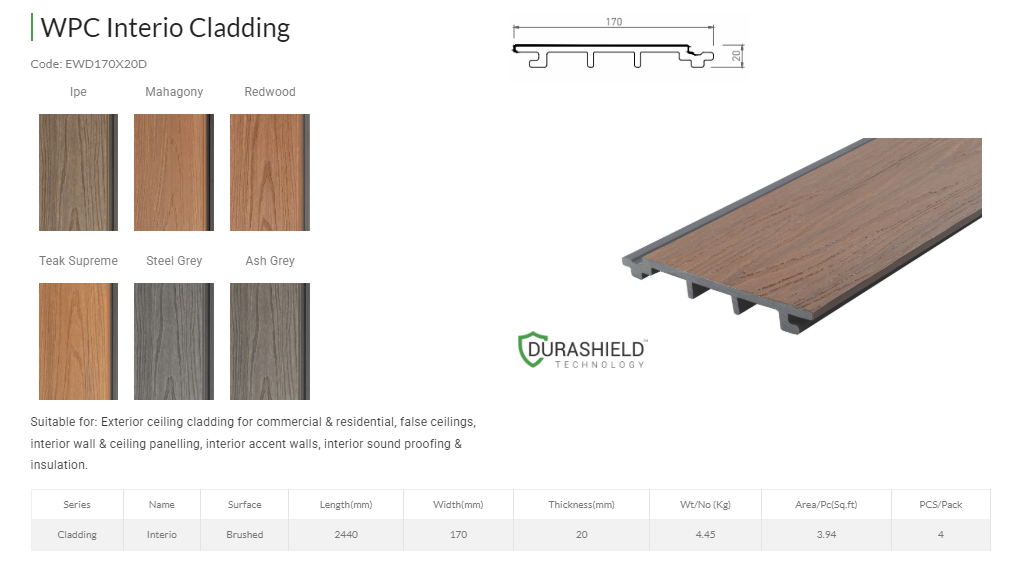
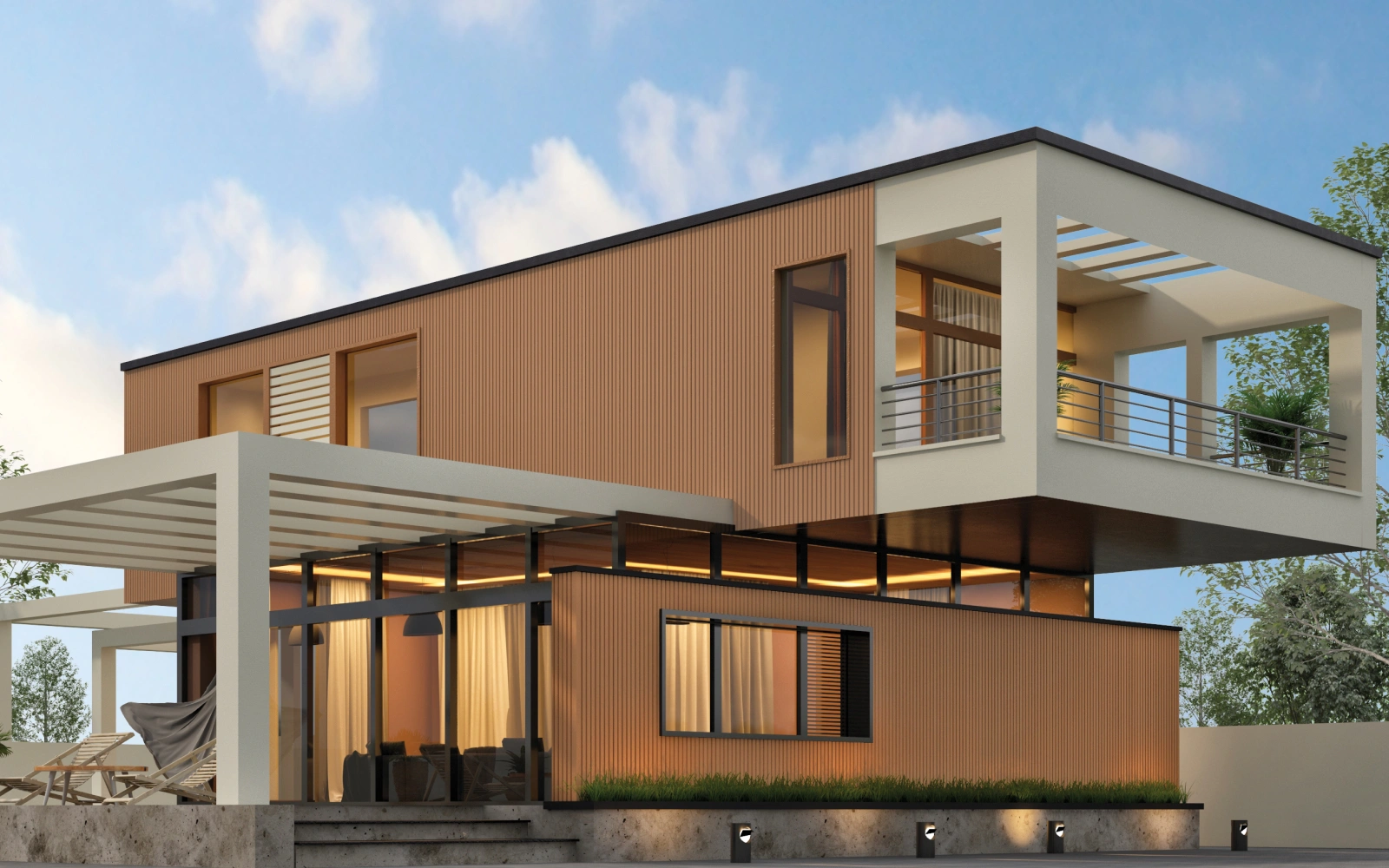
From contemporary homes to commercial developments, WPC cladding in India is widely used for exterior wall surfaces and façades. Other applications include:
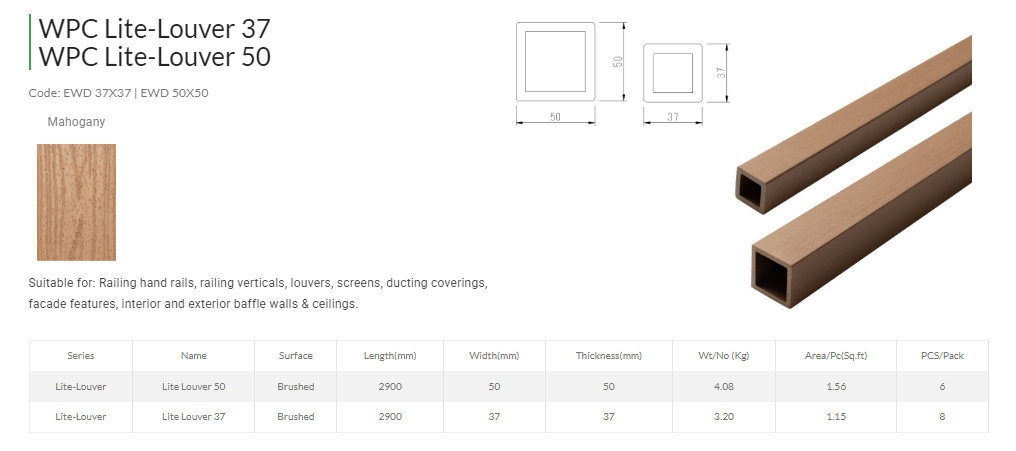
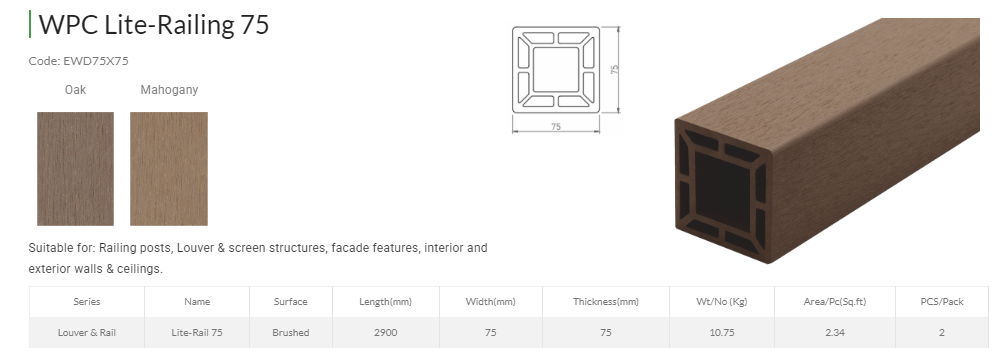
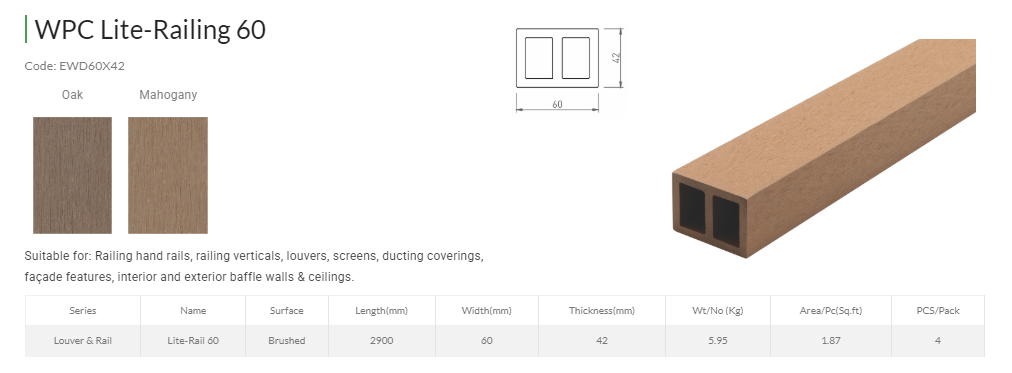
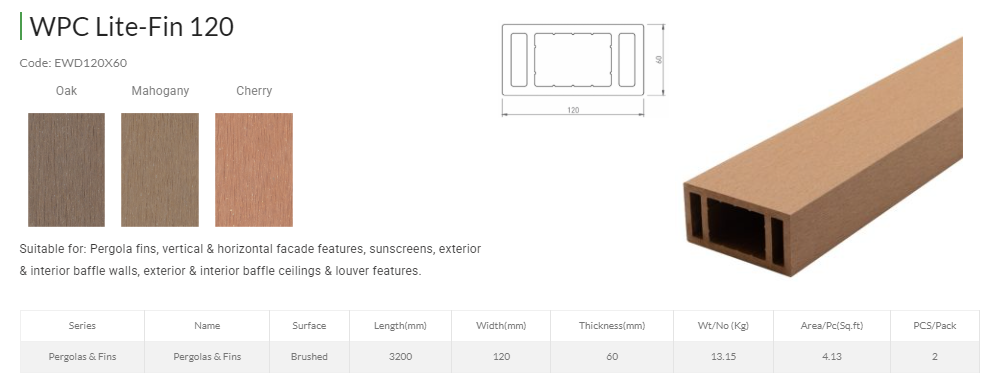
- Louvers and screening
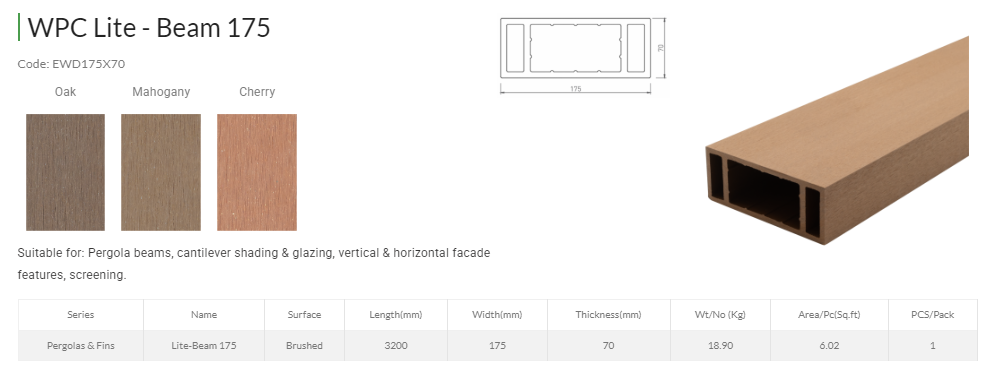
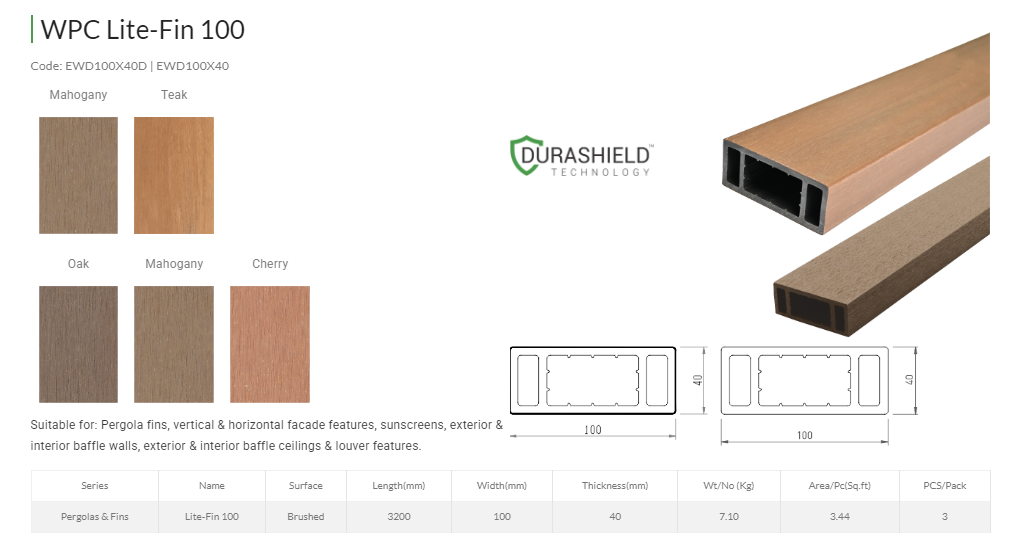
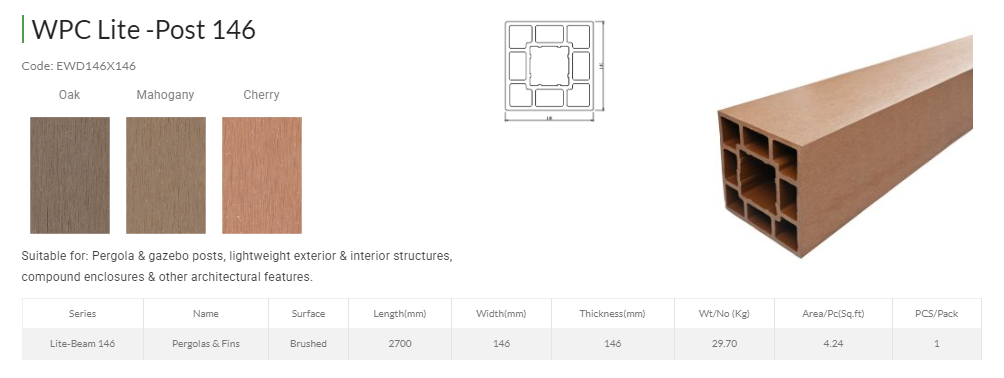
- Pergolas
- Balcony and terrace features
- Garden structures
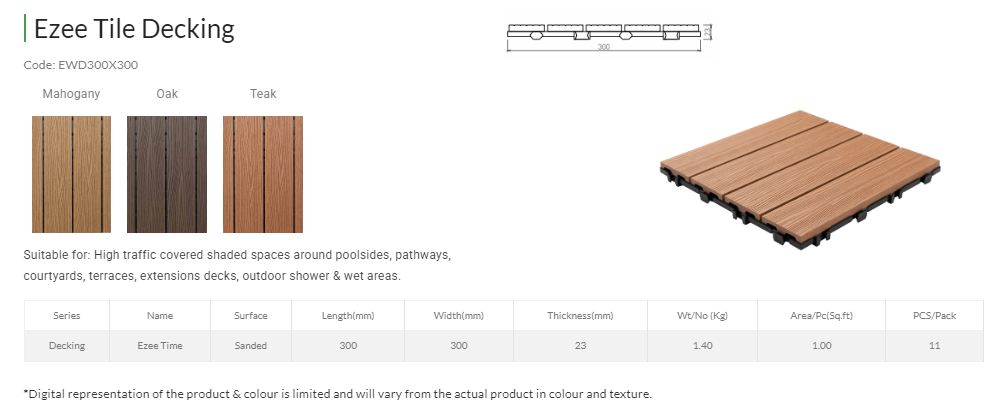
- Poolside surfaces
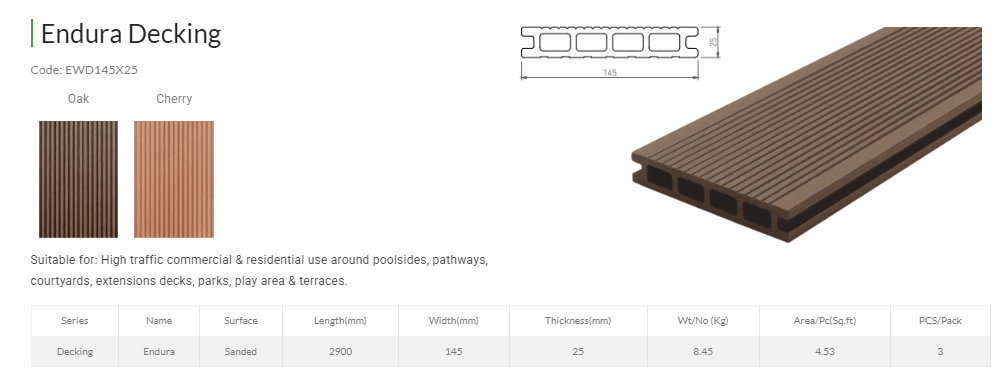
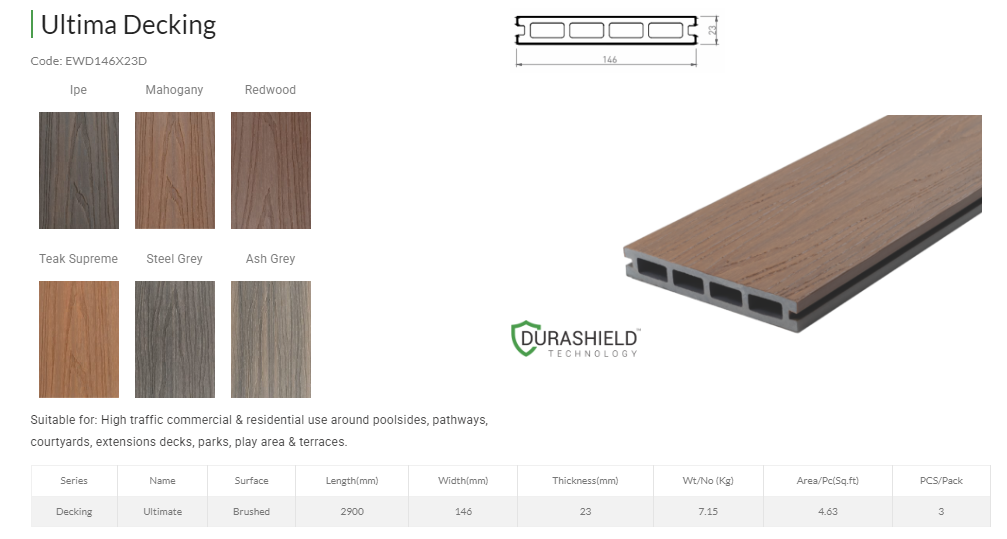
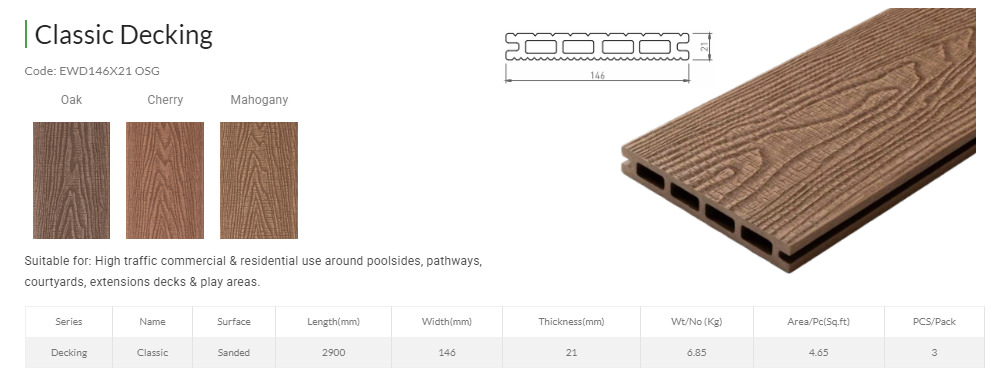
- Outdoor decking in India
For architects comparing WPC vs natural wood decking — which is better, the climate and maintenance requirements should play a major role in the decision.
- Interior Applications
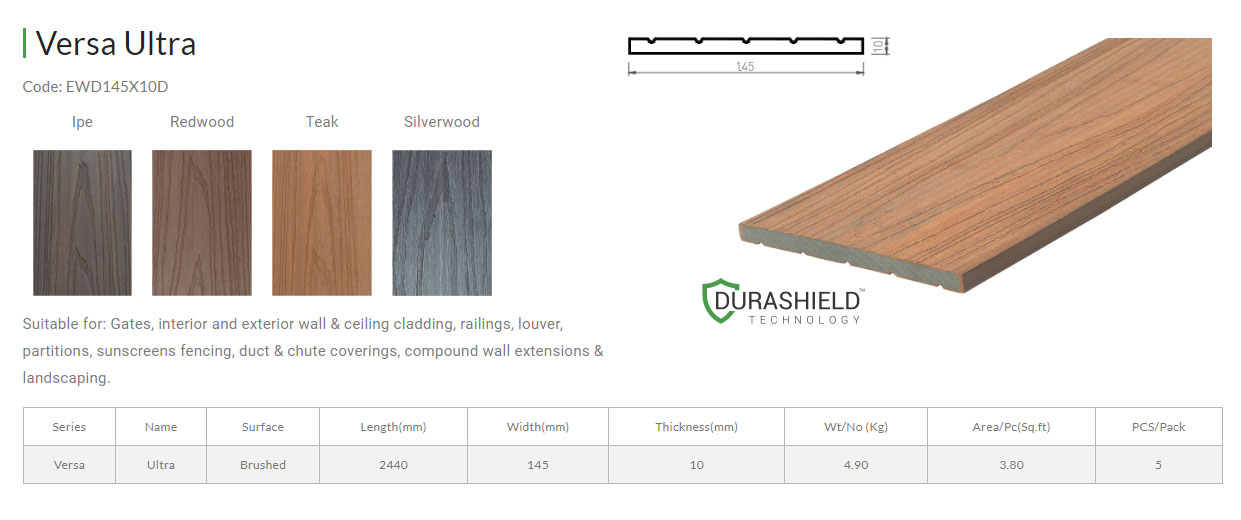
WPC also has a place indoors. WPC wall panels in India can be used to create feature walls, decorative panelling and partitions.
Other uses include ceiling applications and duct coverings where a clean, consistent finish is required.
The design possibilities are broad, from warm wood textures to more contemporary linear profiles.
The Future of Sustainable Construction Is Built to Last
India needs building materials that can keep pace with its construction ambitions without ignoring environmental responsibility.
WPC brings together several qualities that matter to modern projects: reduced dependence on natural timber, efficient use of material resources, weather resistance, termite resistance and lower maintenance needs.
As discussions around sustainable building materials in India 2026 continue, the focus will move beyond whether a material is simply labelled “green.” Architects and developers will look more closely at durability, lifecycle value and suitability for local conditions.
From premium façade solutions to WPC decking in India, the material offers a practical way to create spaces that look like wood while being better prepared for the realities of the Indian climate.
For your next project, explore Everwood’s premium WPC wall cladding, decking and louver solutions. Visit Everwood WPC to request samples or speak with the team about the right solution for your architectural requirements.
Yes. WPC is designed to handle moisture, humidity, rain and changing temperatures better than conventional natural wood.
WPC offers a wood-like appearance with greater resistance to moisture, termites and rot. It also requires less regular polishing, painting and protective treatment than natural wood.
WPC decking generally needs simple cleaning to remove dust, dirt and surface debris. Unlike natural wood, it does not typically require frequent staining, oiling or polishing.
Yes. WPC cladding can provide a durable, consistent and wood-like finish for exterior façades. It is particularly useful for projects that need better resistance to moisture, weather exposure and pests.
Check the product’s composition, weather resistance, fire performance, warranty, installation system and suitability for the intended application. Choosing a premium WPC solution with reliable technical support will ensure better long-term project performance.