Why Choosing the Right Exterior Material Matters
Exterior material failures cost South Indian developers millions annually. Wooden decking in Chennai succumbs to salt corrosion and termites. Bangalore’s temperature swings crack and warp untreated wood. Kerala’s monsoons destroy unprepared surfaces within years. Telangana and AP’s relentless heat degrades conventional materials rapidly. Architects face a critical question: WPC vs natural wood vs FRP—which material truly performs across South India’s diverse conditions? Natural wood, despite its aesthetic appeal, cannot withstand Chennai’s humidity, Kerala’s rainfall, or the temperature extremes of the Deccan plateau. Industrial FRP excels structurally but lacks the refined appearance modern residential and commercial projects demand. WPC (wood plastic composite) emerges as the engineered solution. Tested across Chennai’s coastal climate, Bangalore’s variable conditions, Kerala’s high rainfall, and Telangana and AP’s intense sunshine, WPC delivers consistent performance, 20+ year durability, and minimal maintenance. Everwood’s WPC solutions are specifically designed for South Indian conditions. This guide compares all three materials to help you invest with confidence.
Natural Wood – Strengths and Limitations
Where wood performs well
Natural wood is valued for its warm, organic appearance and is suitable for semi-covered or shaded exterior areas. In controlled environments, it delivers visual appeal and integrates well with traditional architectural design
Where wood fails in exterior environments (termites, fading, warping)
In open exterior conditions, wood is vulnerable to termite infestation, moisture absorption, warping, cracking, and surface fading. Continuous exposure to rain and sunlight accelerates degradation, requiring regular chemical treatment, polishing, and sealing. These maintenance needs increase lifecycle costs and reduce predictability for long-term projects.
FRP – Strong but Limited for Architectural Applications
What FRP is and typical industrial uses
FRP (Fiber Reinforced Plastic) is a composite material known for high strength and corrosion resistance. It is widely used in industrial structures, infrastructure components, and utility installations where structural performance is prioritised over appearance.
Why FRP is less suitable for home or architectural exteriors
Although FRP performs well structurally, it lacks the natural texture and design flexibility required for architectural and residential spaces. Its industrial finish and limited aesthetic options make it less suitable for premium exterior environments, especially where visual consistency is important.
WPC – The Best Balance Between Aesthetics & Performance
Weather stability
WPC is engineered specifically for exterior use and offers excellent resistance to UV exposure, moisture, and temperature fluctuations. It maintains dimensional stability across seasons, even in harsh climatic conditions.
Durability & low maintenance
Unlike natural wood, WPC does not warp, crack, or attract termites. It requires minimal maintenance, eliminating the need for frequent treatments or surface refinishing, thereby reducing long-term operational costs.
Preferred choice for architects
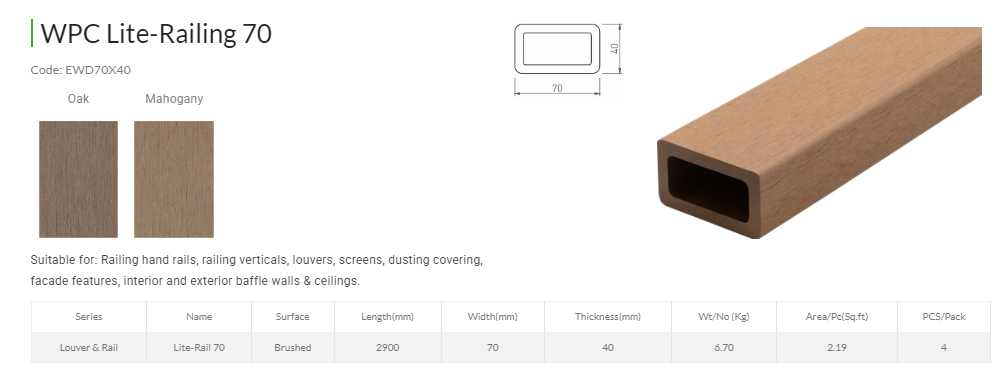
With consistent quality, multiple profiles, and long service life, WPC supports standardised specifications across residential, commercial, and large-scale architectural projects.
See Why 3000+ Projects Choose Everwood WPC
WPC vs Wood vs FRP – Comparison Table
Comparative Performance Overview
When evaluated across durability, appearance consistency, maintenance requirements, cost efficiency, and lifespan value, WPC provides the most balanced outcome. It outperforms natural wood in longevity and maintenance and offers superior architectural suitability compared to FRP..
As seen in the comparative performance table below, WPC offers the most balanced lifecycle value for exterior applications.
Comparison between WPC, Natural Wood and Fiber Reinforced Plastics (FRP)
| Parameter | WPC | Natural Wood | FRP |
| Durability | High – engineered for long-term exterior use | Moderate – degrades under weather exposure | High – structurally strong |
| Weather Resistance | Excellent – resistant to UV, moisture & monsoon | Low – prone to warping, swelling & fading | Good – resistant to corrosion |
| Termite Resistance | 100% termite-resistant | Susceptible to termite attack | Termite-proof |
| Maintenance Requirement | Low – no polishing or chemical treatment | High – regular sealing & treatment needed | Low to moderate |
| Appearance Consistency | Uniform finish, wood-like aesthetics | Natural but inconsistent over time | Industrial appearance |
| Installation Stability | High – minimal expansion & contraction | Low – affected by moisture & temperature High |
High |
| Design flexibility | High – multiple profiles & finishes | Limited by wood quality & availability | Limited architectural options |
| Lifecycle Cost | Optimised – low maintenance over long life | High – recurring maintenance costs | Moderate |
| Typical Applications | Decking, cladding, Pergolas, Railings | Limited exterior & shaded areas |
Industrial & utility structures |
| Expected Service life | Long-term (20+ years) | Short to medium term | Long term |
| Sustainibility | Eco-friendly, recyclable & resource-efficient | Depends on sourcing | Synthetic material |
Application-wise Recommendation
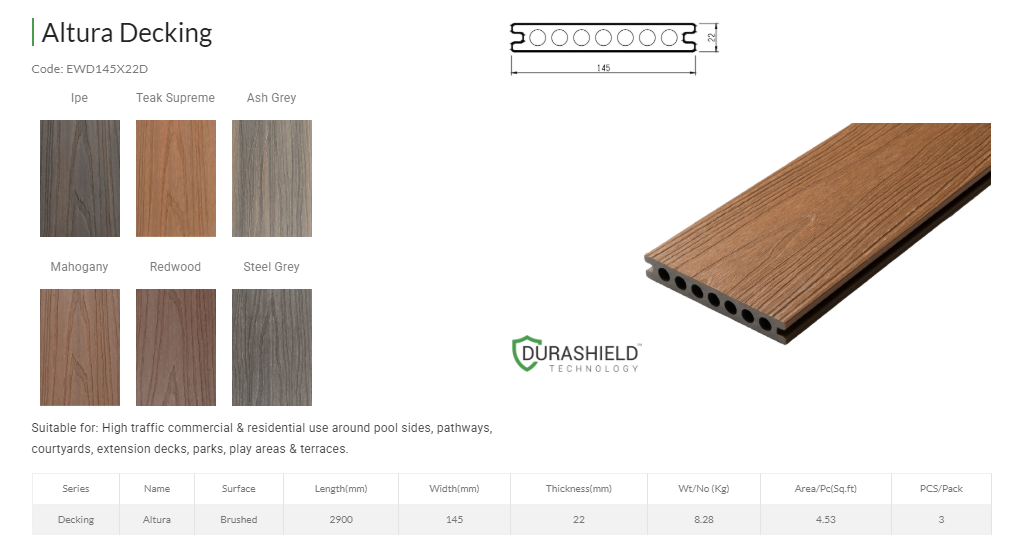
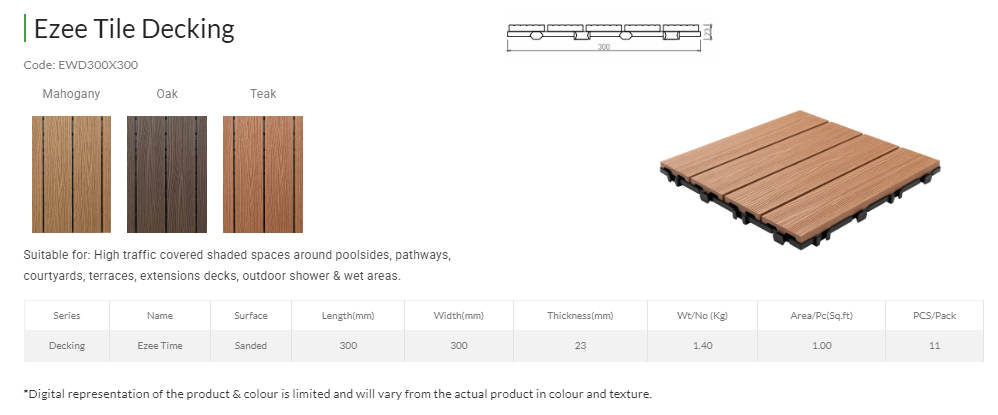
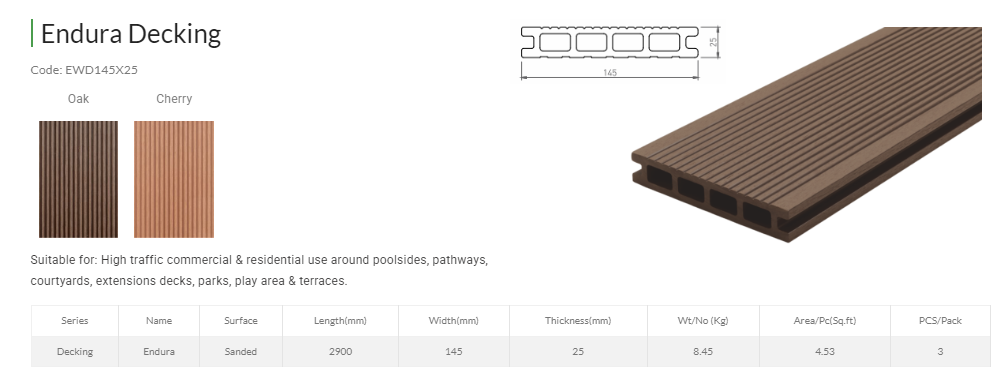
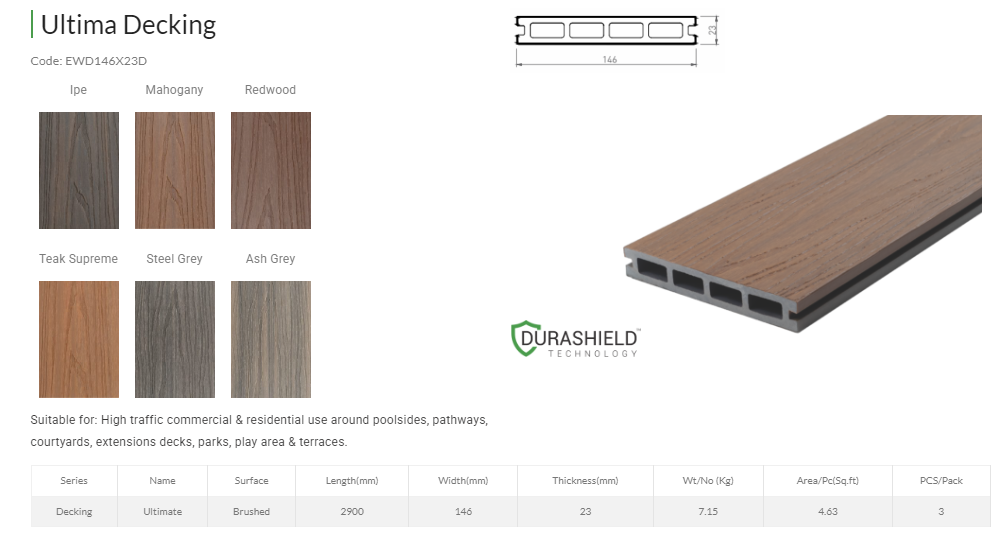
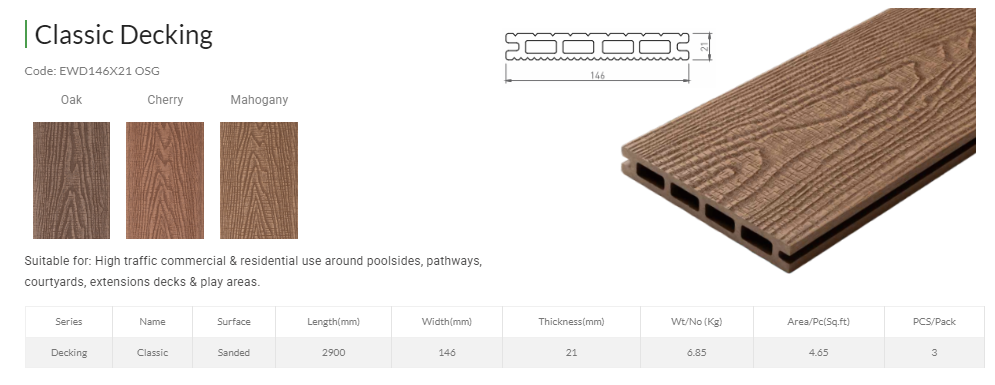
- Decking: WPC provides moisture stability, slip resistance, and durability under continuous foot traffic.
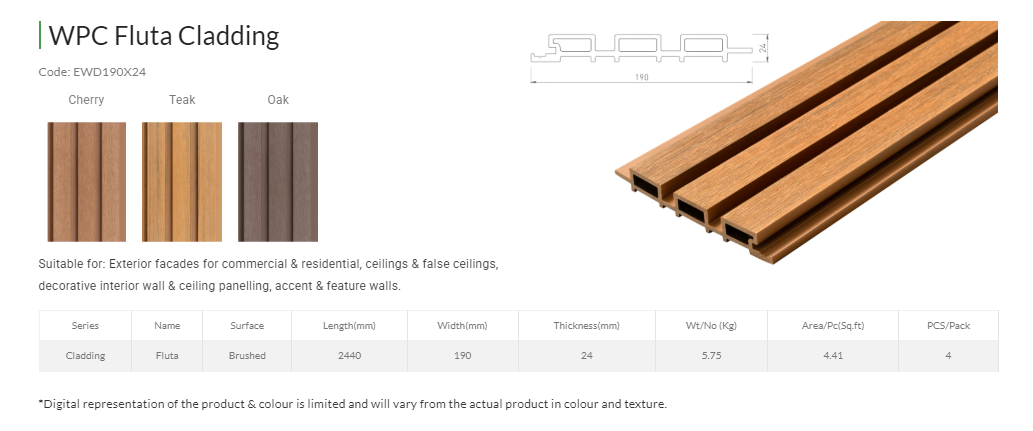
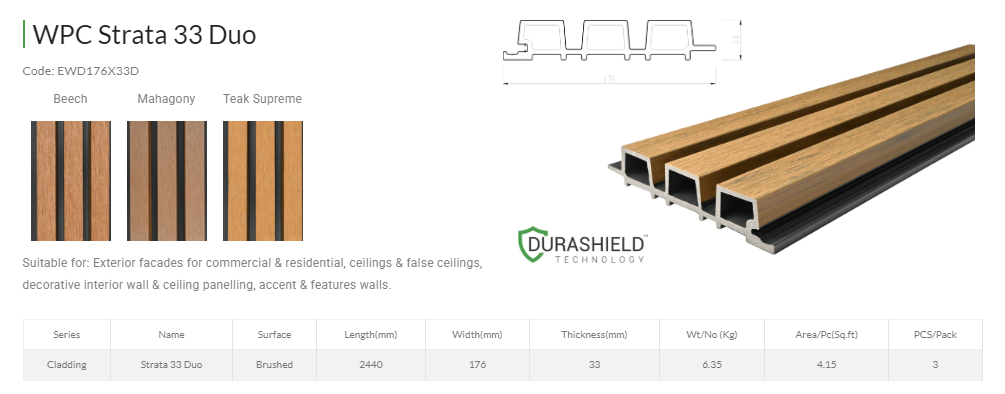
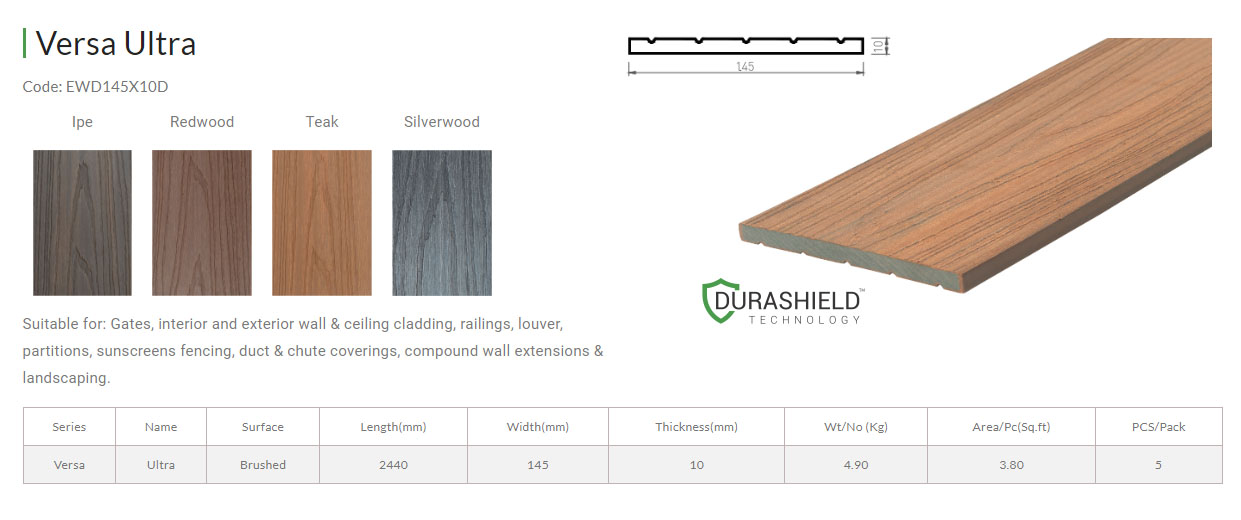
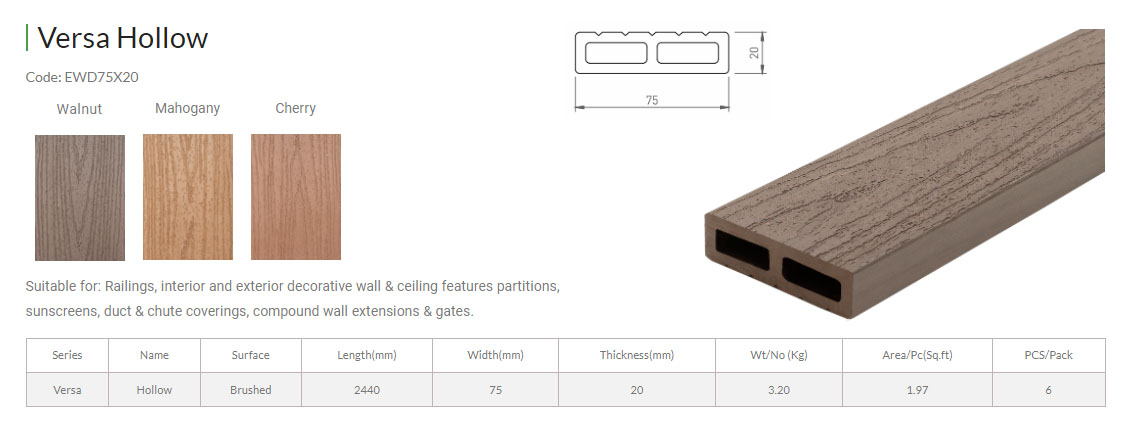
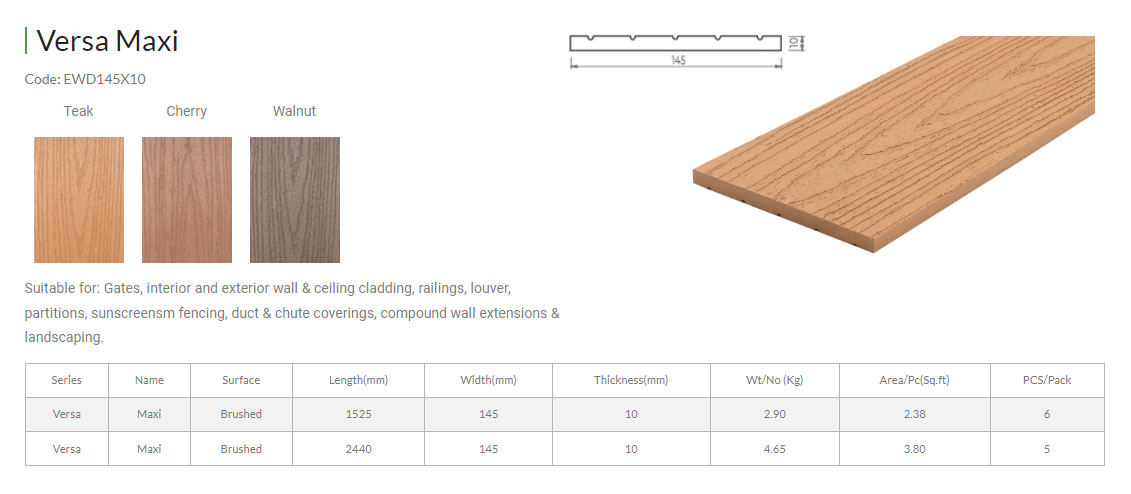
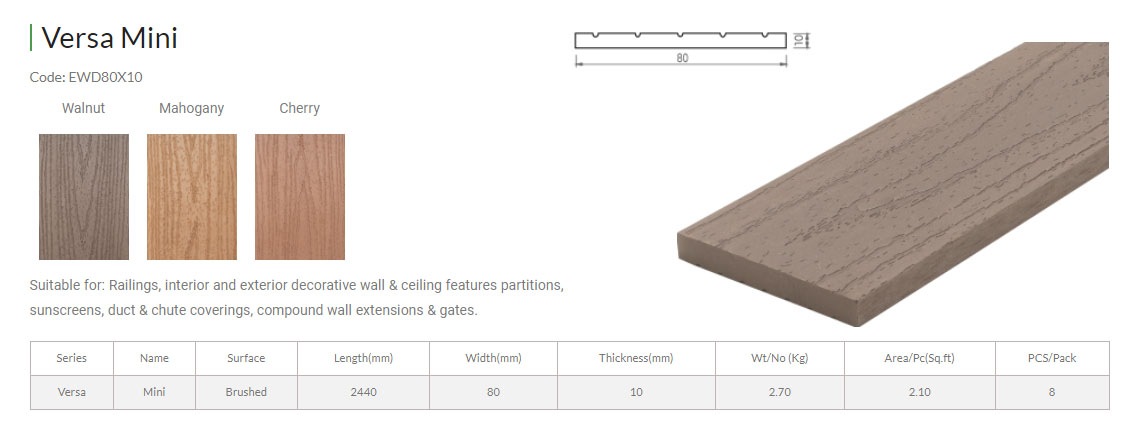
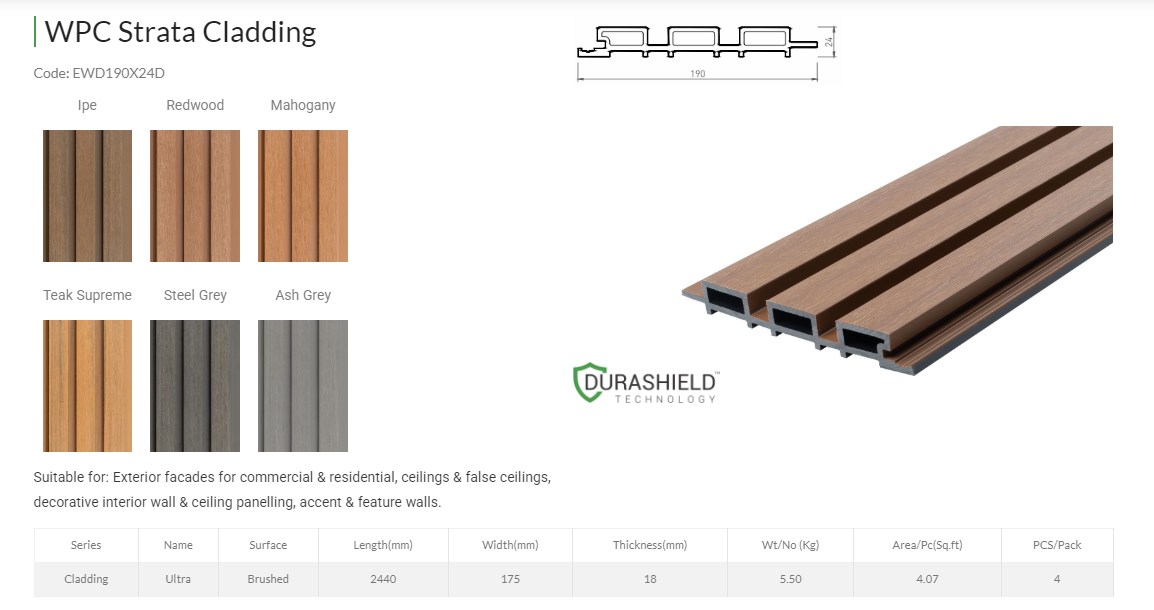
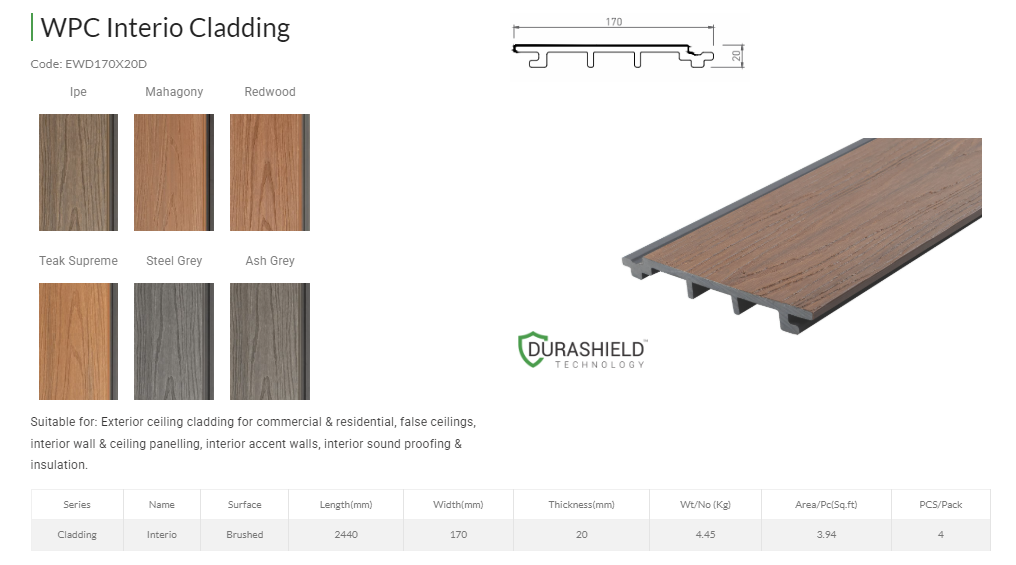
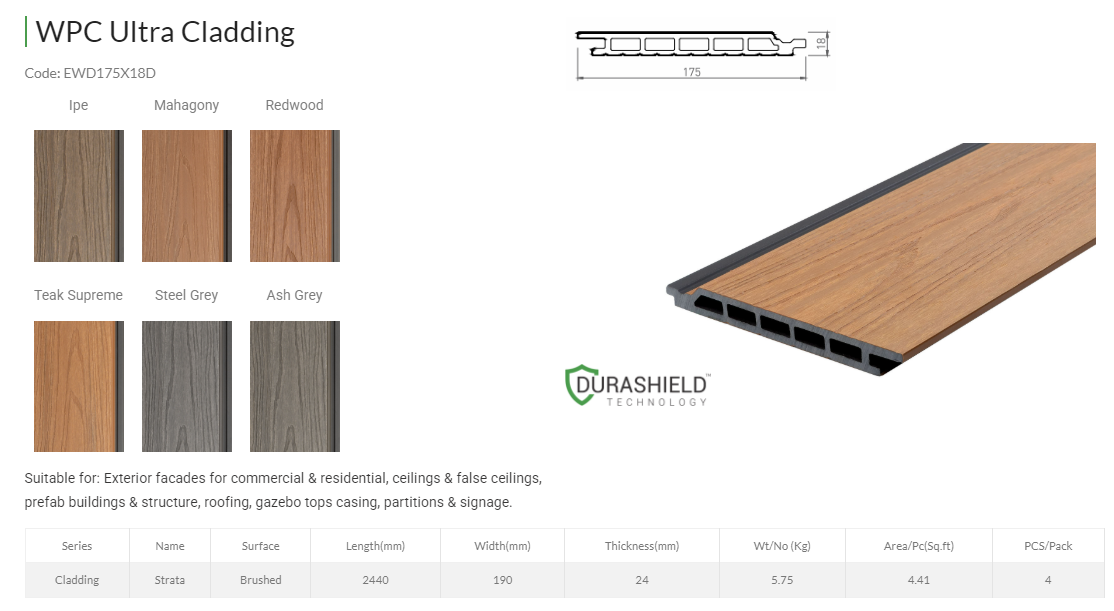
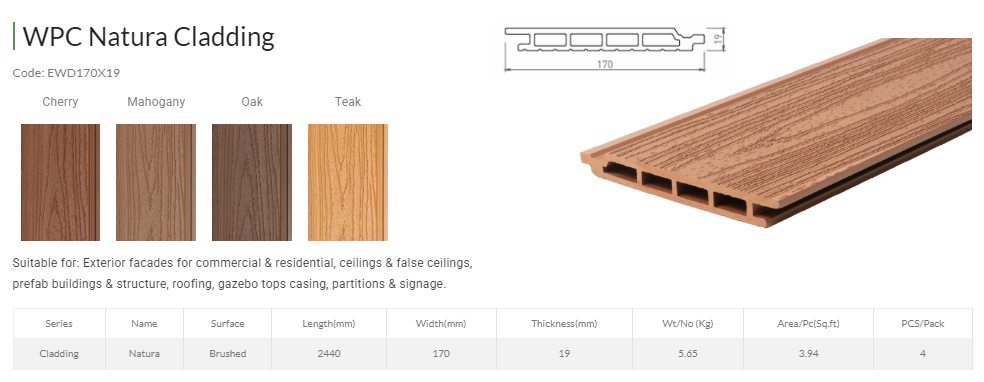
- Exterior Wall and Ceiling Cladding: WPC maintains dimensional stability and surface finish despite prolonged weather exposure.
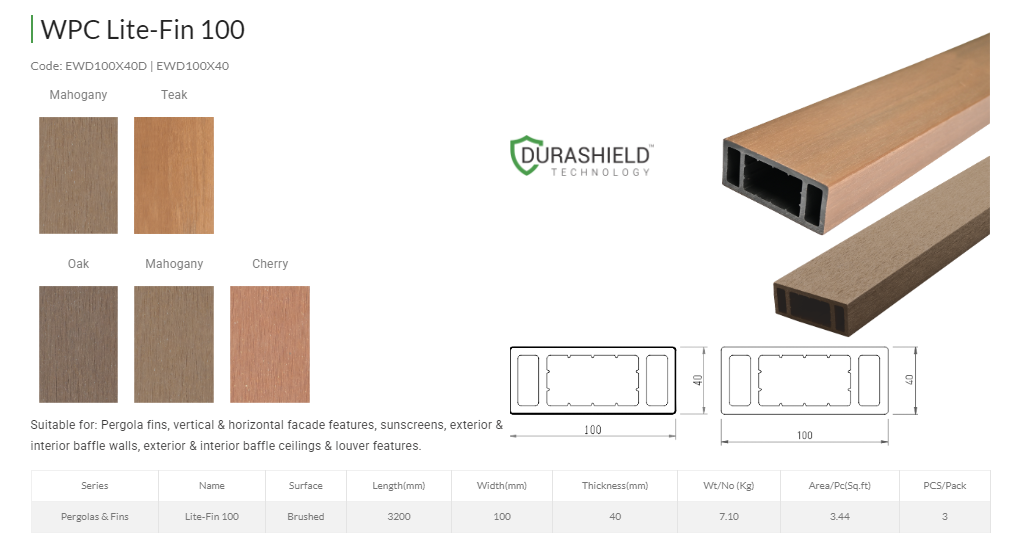
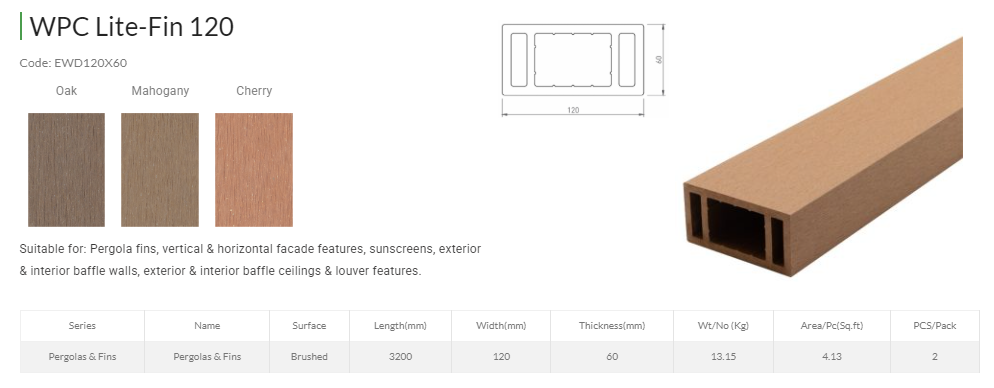
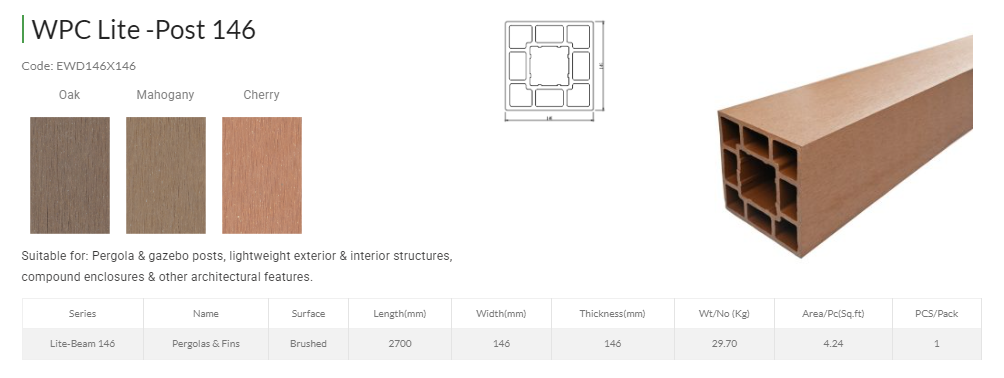
- Pergolas: WPC supports structural reliability with design flexibility and low maintenance.
Why WPC delivers the best overall value
For exterior projects where performance certainty, durability, and cost efficiency are critical, WPC emerges as the most dependable material choice. Tested for Indian climatic conditions and supported by genuine warranty and long service life, WPC reduces maintenance risk while preserving design intent. For residential, commercial, and large-scale architectural developments, WPC offers a future-ready solution aligned with both technical and procurement objectives.
Explore Premium WPC Decking, Cladding & Exterior Solutions.