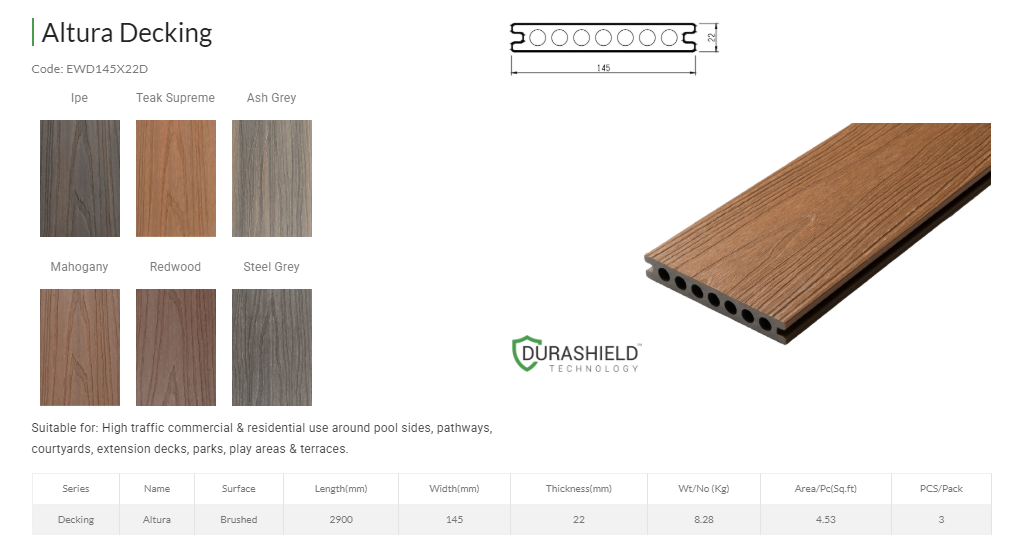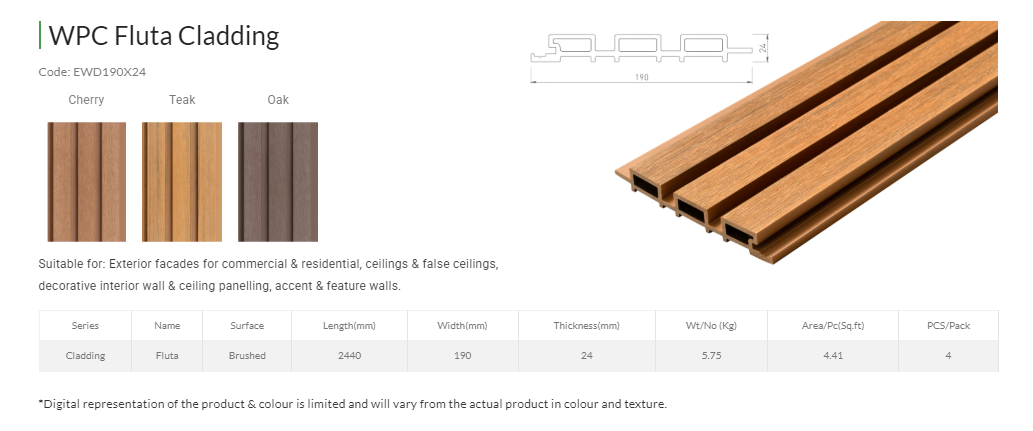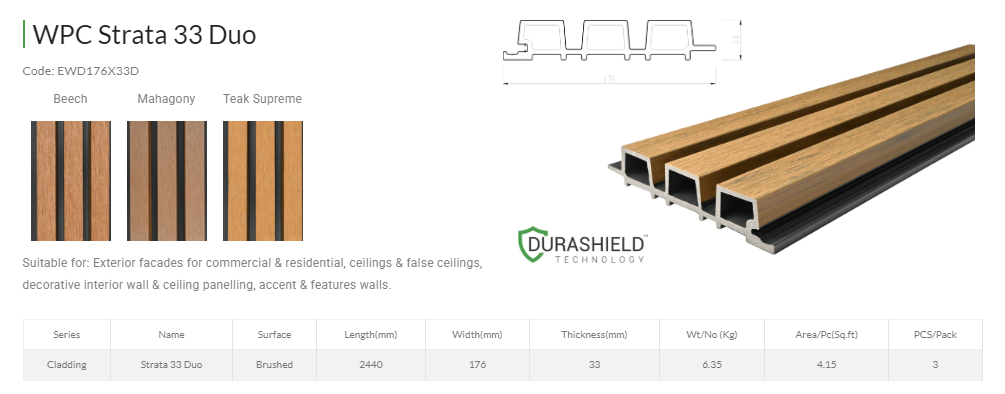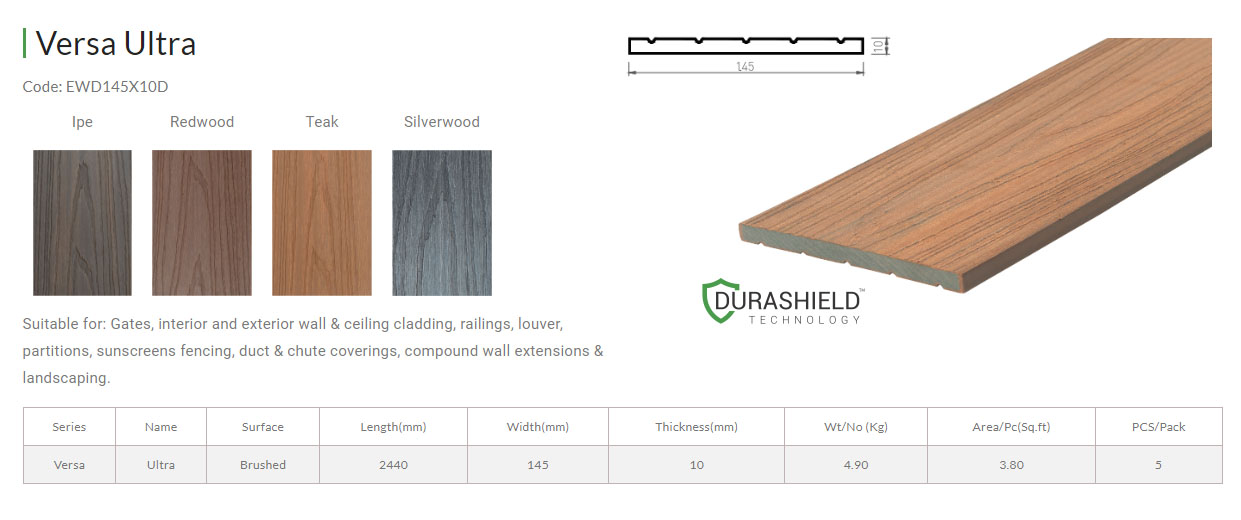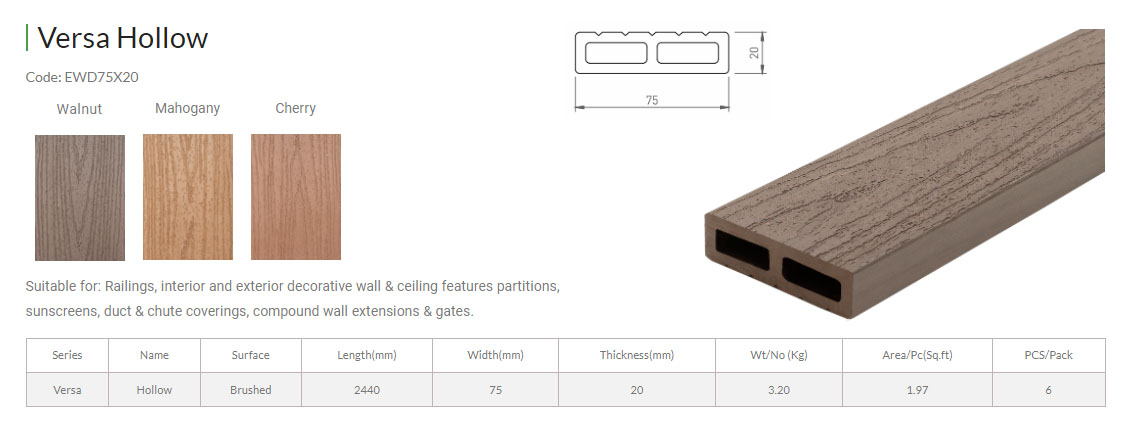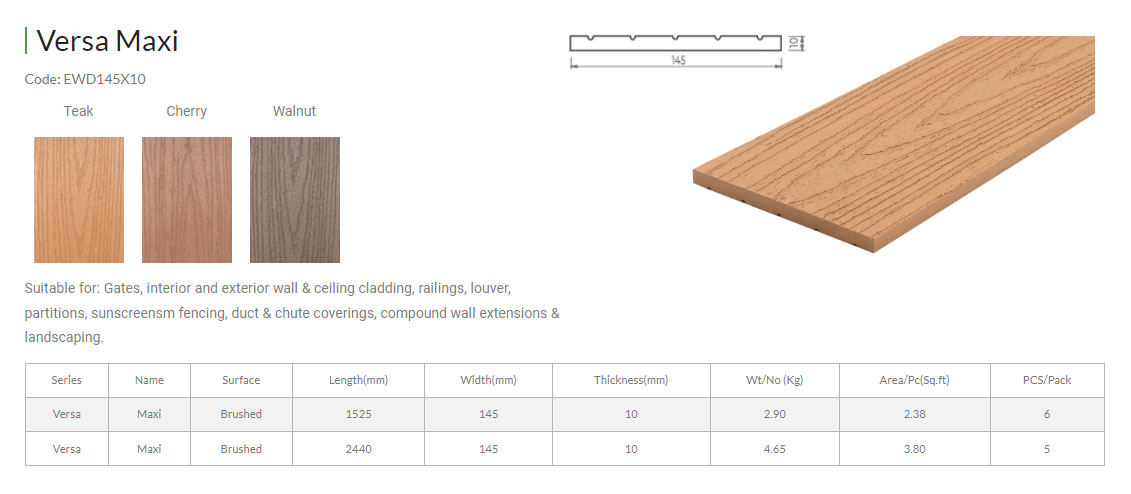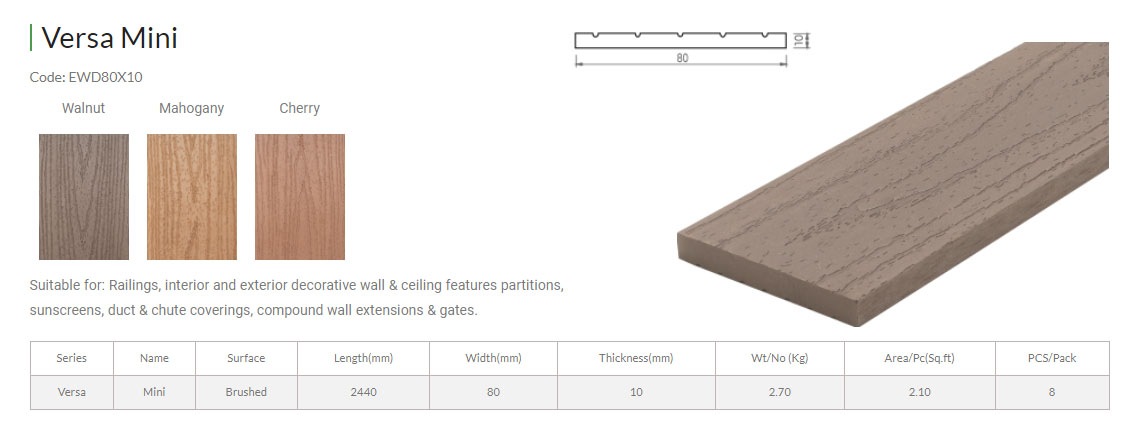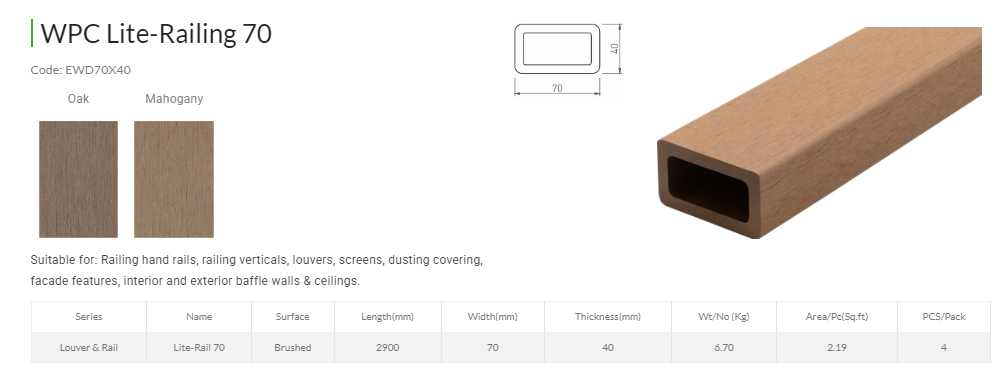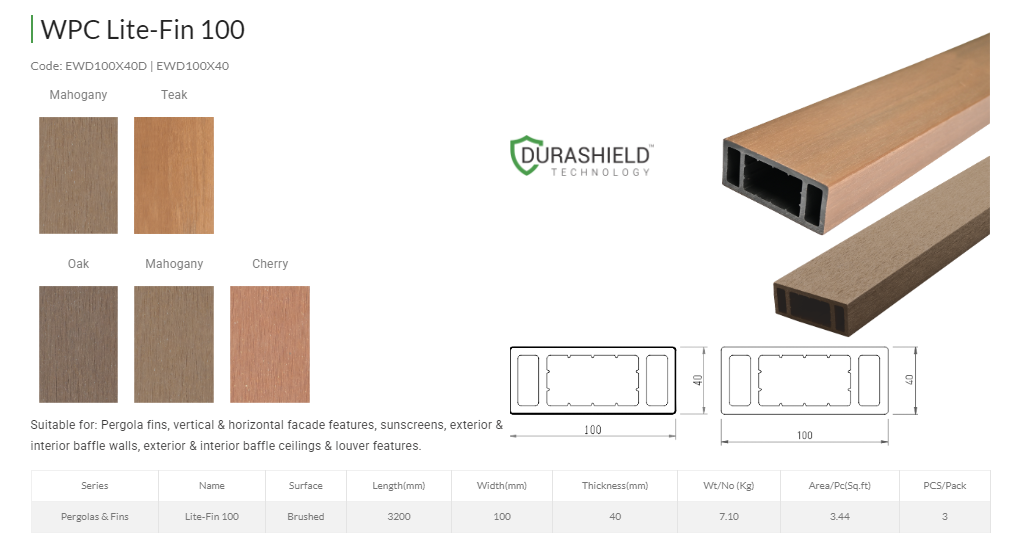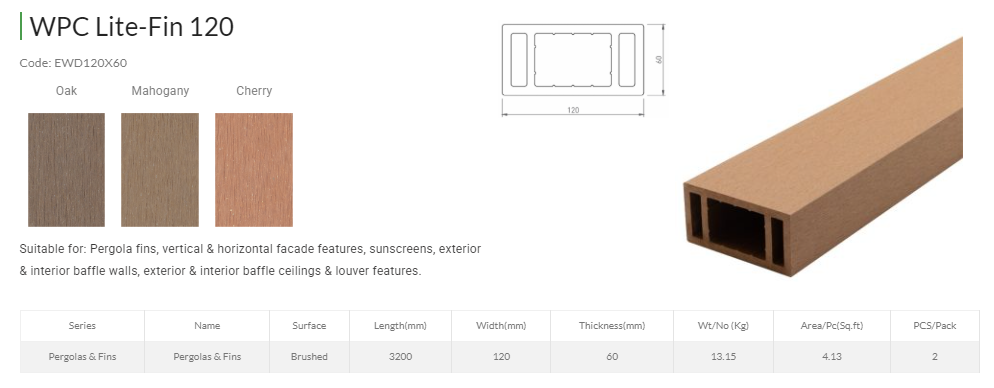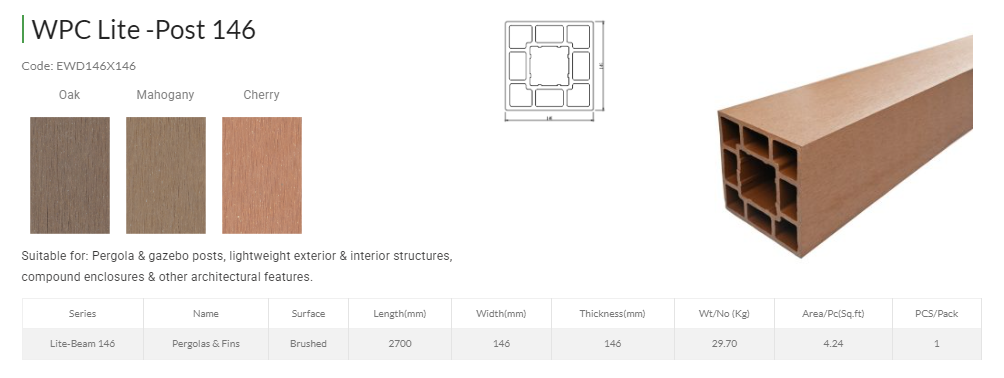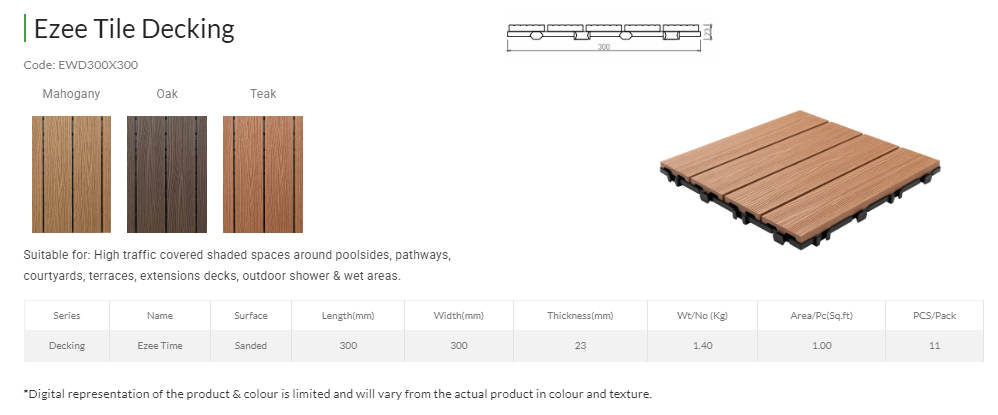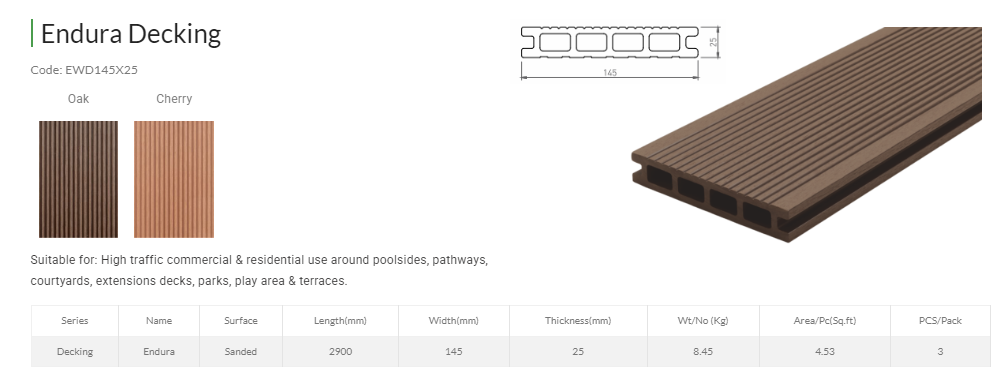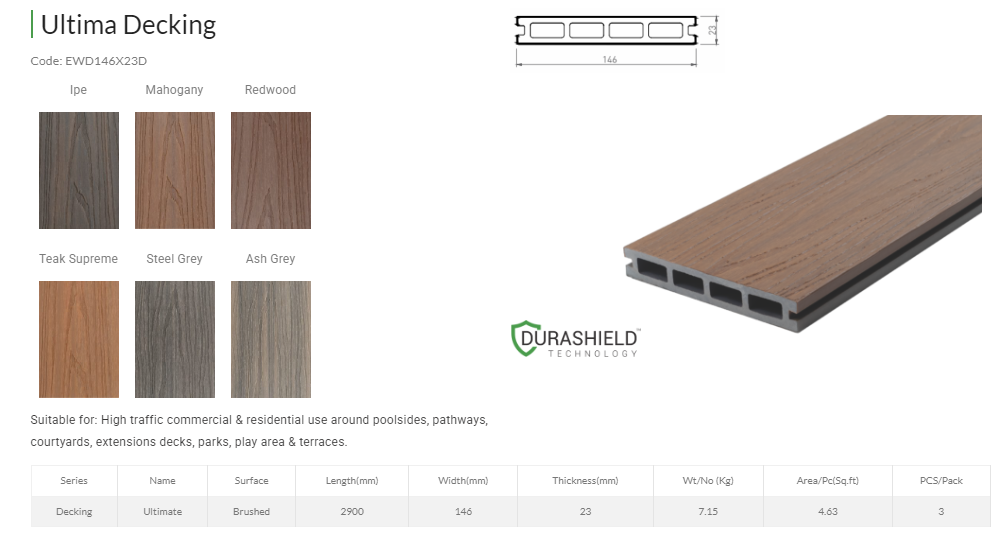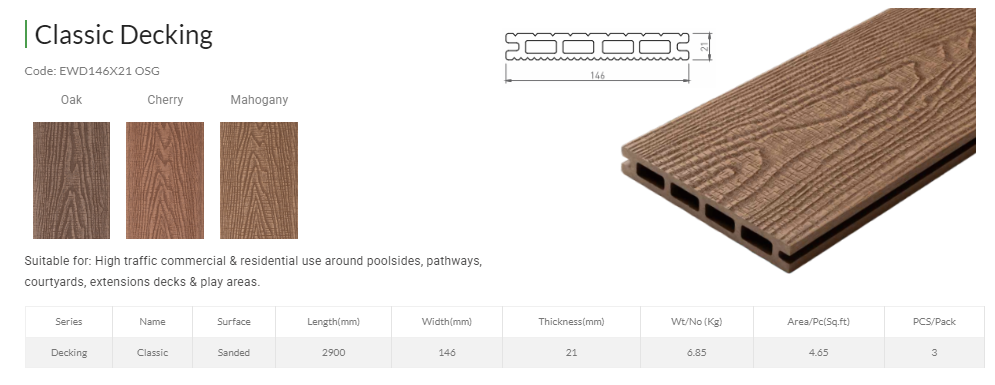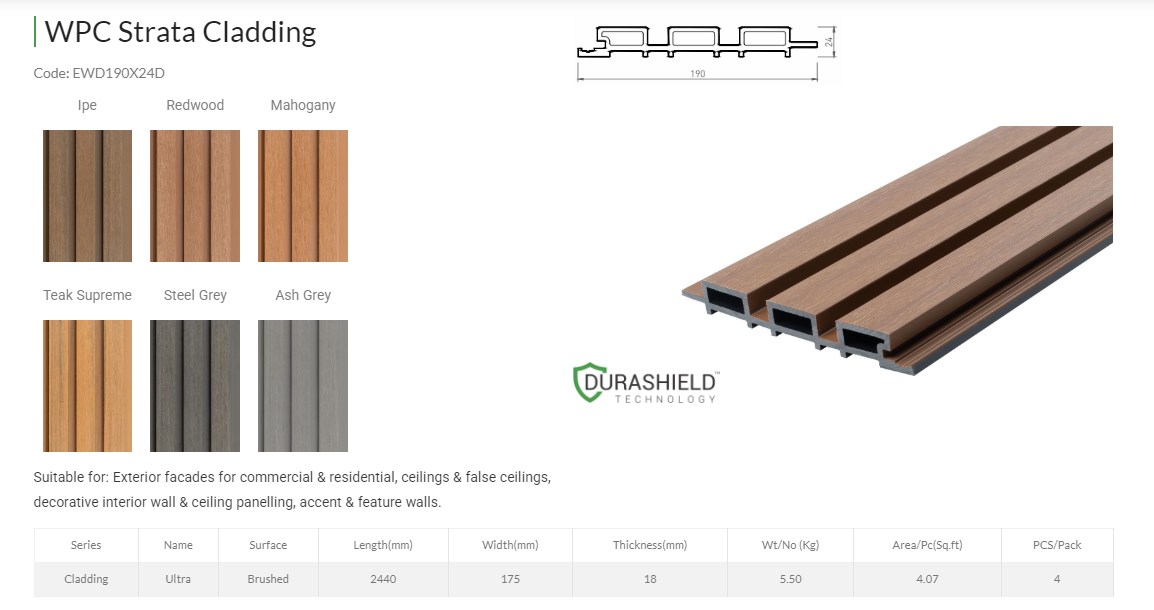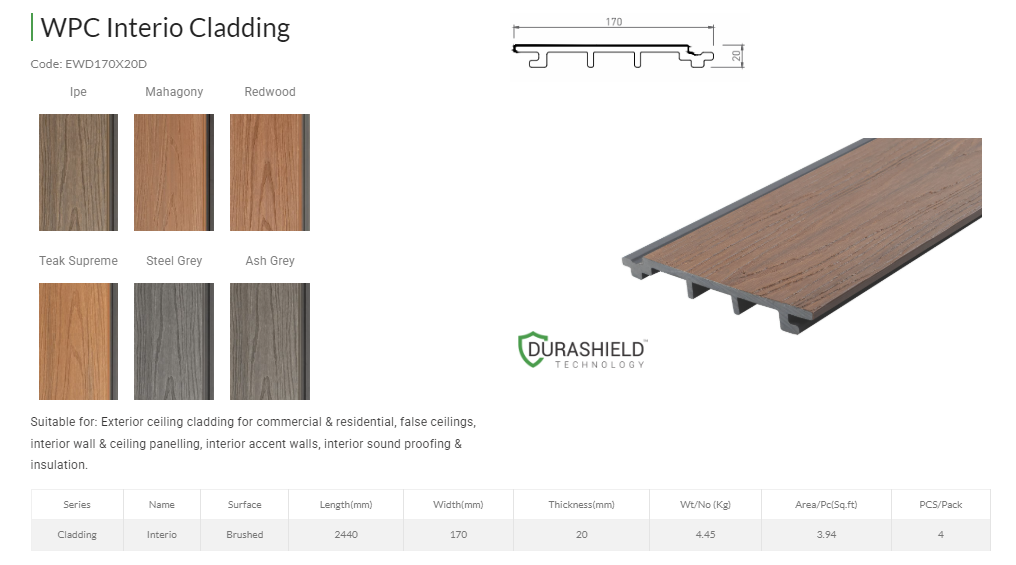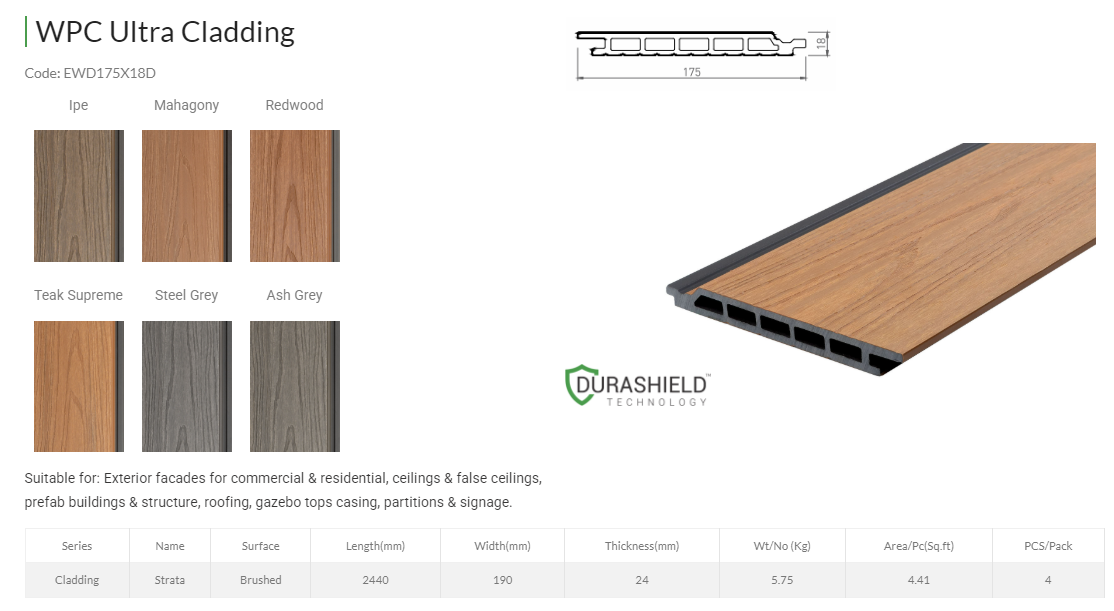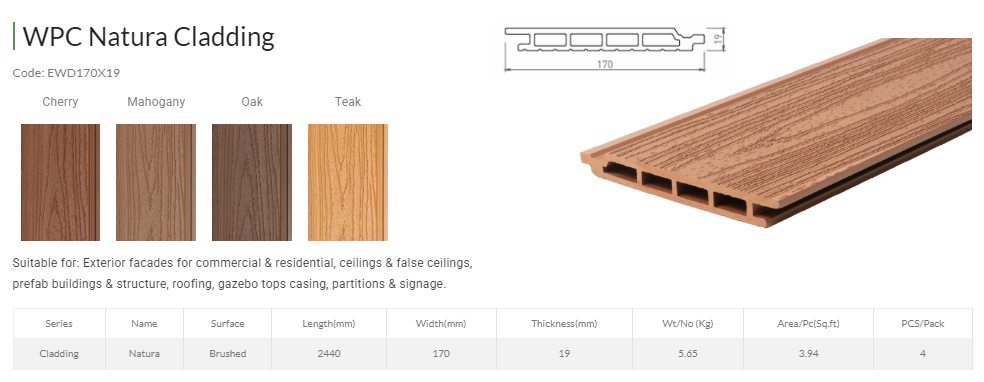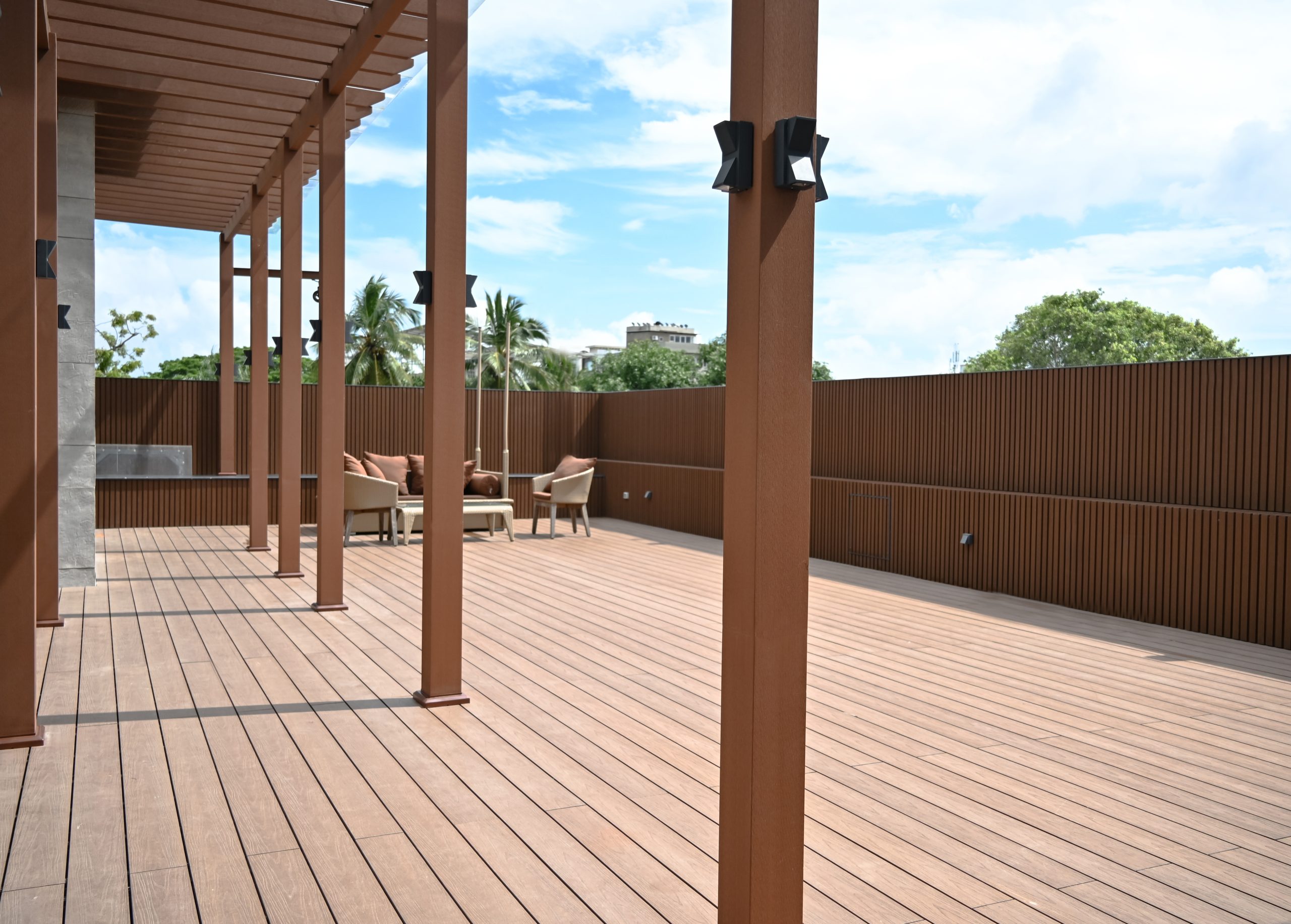
Looking to create a sleek, contemporary look for a home or office space? Exterior cladding plays a key role in shaping how a building feels and performs. More than just a surface layer, it defines the visual identity, durability, and long-term appeal of the structure
How does WPC help achieve a modern exterior look?
WPC brings together the warmth of wood and the precision of engineered materials, making it suitable for modern architectural styles. It enables:
- Clean, structured surface finishes
- Balanced natural and contemporary aesthetics
- Consistent appearance across large facades
This helps create spaces that feel refined, cohesive, and visually modern.
Why is WPC suitable for challenging weather conditions?
Exterior materials must perform reliably under heat, humidity, and seasonal changes. WPC is designed to:
- Resist moisture-related damage
- Withstand prolonged sun exposure
- Maintain surface stability across temperature variations
This makes it suitable for climates where durability and consistency are critical.
How does WPC reduce long-term maintenance effort?
Maintenance is a key consideration in material selection, especially for exterior applications. WPC reduces upkeep requirements by:
- Eliminating the need for frequent painting or sealing
- Retaining its finish without regular surface treatment
- Allowing simple cleaning to maintain appearance
This ensures the facade remains consistent with minimal intervention over time.
How does WPC support sustainable design choices?
Material selection increasingly reflects environmental considerations in modern construction. WPC supports this by:
- Incorporating recycled material components
- Reducing dependence on natural wood
- Extending lifecycle performance, lowering replacement frequency
This aligns with the shift toward more sustainable building practices.
What design flexibility does WPC offer in facade applications?
Design flexibility is essential for creating unique architectural expressions. WPC allows:
- Linear and geometric facade patterns
- Combination of textures and finishes
- Integration with other materials like glass and metal
This makes it possible to achieve both minimalist and expressive design outcomes using a single material system.
How does installation impact the final facade quality?
The quality of installation directly affects the final visual outcome of a facade. WPC systems are typically designed to:
- Support structured installation frameworks
- Enable alignment consistency across panels
- Reduce visible fixing elements
This results in a clean, seamless exterior finish.
Does WPC contribute to thermal comfort?Beyond aesthetics, exterior materials can influence internal comfort.
WPC can contribute by:
- Adding a layer that reduces direct heat transfer
- Supporting more stable indoor temperature conditions
This becomes especially useful in warm climates where heat management is important.
How does WPC compare to traditional exterior materials?Compared to materials like wood, ACP, and fibre cement:
Wood requires ongoing maintenance and is sensitive to moisture
- ACP offers a smooth finish but may have limitations in texture flexibility
- Fibre cement is durable but can feel more rigid in design
WPC provides a balanced combination of durability, design adaptability, and low maintenance, making it suitable for modern exterior applications.
Final Note
A well-designed facade is not just about appearance—it reflects how materials perform over time. Choosing the right cladding approach helps create spaces that remain visually consistent, durable, and aligned with modern architectural intent.