Introduction
Across India, architectural priorities are shifting. Exterior materials are no longer selected only for how they look at completion, but for how they perform years later. Climate exposure, maintenance effort, and lifecycle cost are becoming central to design decisions.
In this evolving context, Wood–Plastic Composite (WPC) is emerging as a preferred exterior material for modern Indian architecture. Its growing adoption reflects a practical response to real-world challenges rather than a passing design trend.
The Challenge with Traditional Exterior Materials in India
India’s climatic diversity places continuous stress on building exteriors. Prolonged heat, heavy monsoons, humidity, pollution, and UV exposure accelerate surface deterioration.
Traditional materials often present trade-offs:
- Natural wood requires frequent maintenance and protection.
- Cement-based and laminate panels may struggle with moisture, fading, or surface degradation.
- Long-term consistency in appearance becomes difficult to maintain.
As projects scale in size and complexity, these limitations influence material selection more strongly than ever before.
Why WPC Fits Modern Architectural Requirements
WPC combines wood fibres with thermoplastics, creating a composite material engineered for stability and durability. Unlike natural wood, WPC resists moisture absorption and is less affected by temperature fluctuations.
For exterior applications, this translates into:
- Improved resistance to weathering
- Reduced risk of warping, cracking, or decay
- Consistent surface appearance over time
These characteristics make WPC particularly suitable for Indian conditions, where exterior materials must perform reliably across seasons.
Climate Suitability: A Key Reason for WPC Adoption
One of the strongest drivers behind WPC adoption is its suitability for challenging climates. Exterior facades and outdoor architectural elements are continuously exposed to sunlight, rain, and humidity.
WPC materials are designed to withstand these conditions with minimal surface deterioration. UV stability helps retain colour consistency, while moisture resistance reduces maintenance concerns in high-humidity and coastal regions.
This makes WPC a practical choice for exterior walls, decks, pergolas, and facade elements used across residential, commercial, and hospitality projects.
Low Maintenance as a Design Advantage
Maintenance is increasingly viewed as a design consideration rather than a post-handover concern. Materials that require frequent refinishing or repair add long-term operational costs and disrupt building use.
WPC exterior applications typically require only basic cleaning and do not demand painting, polishing, or sealing. This predictable maintenance profile supports long-term project planning and improves lifecycle value.
For architects and developers, this reliability contributes to smoother handovers and fewer performance-related concerns over time.
Design Flexibility for Contemporary Architecture
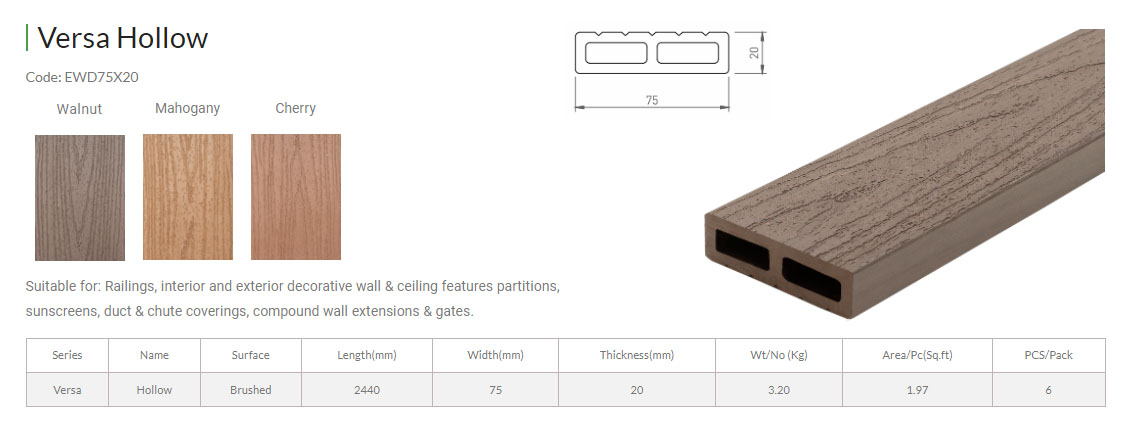
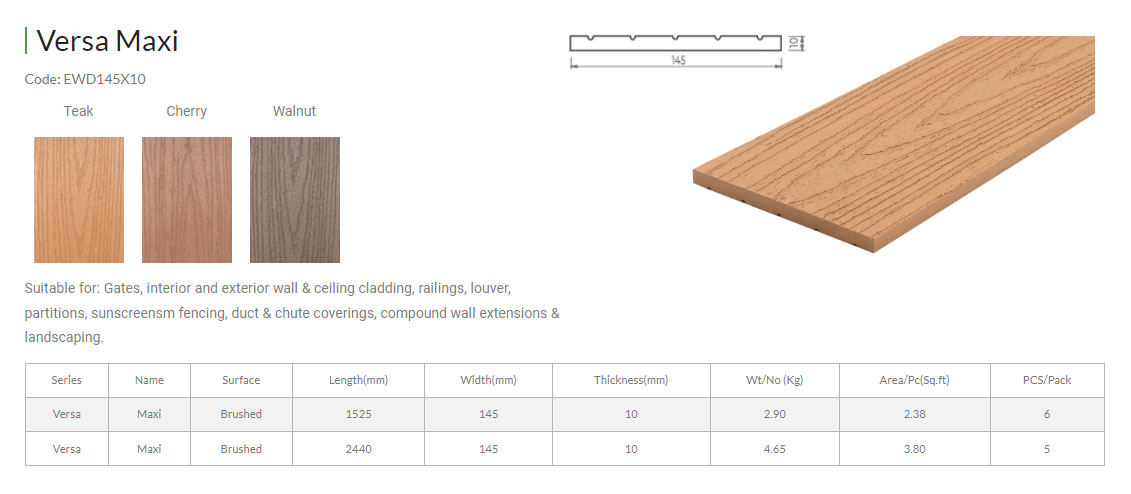
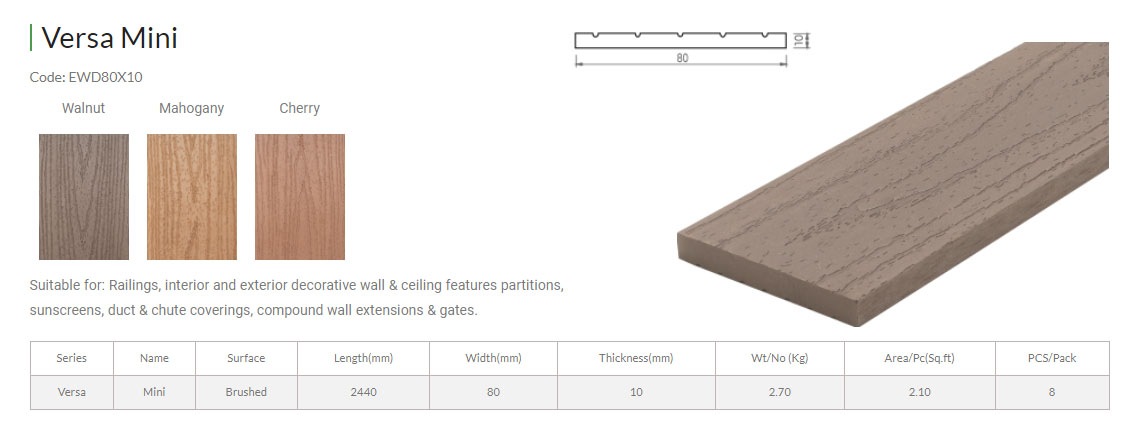
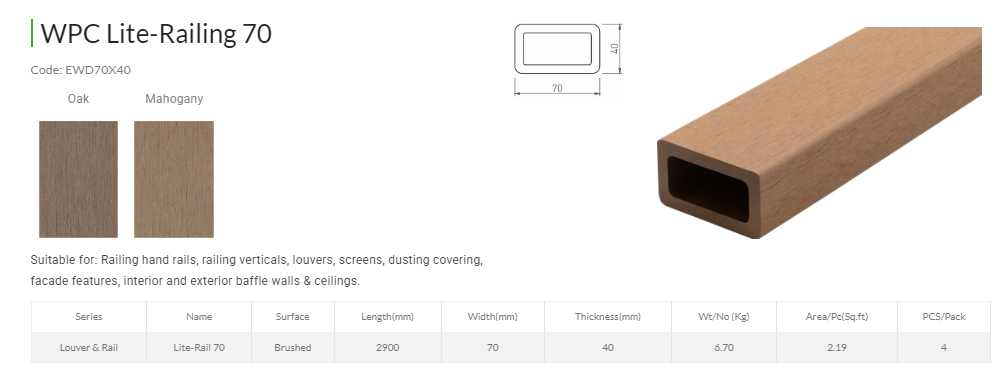
Beyond performance, WPC supports modern architectural expression. Available in multiple profiles, finishes, and textures, it enables both minimal and expressive facade designs.
WPC is commonly used for:
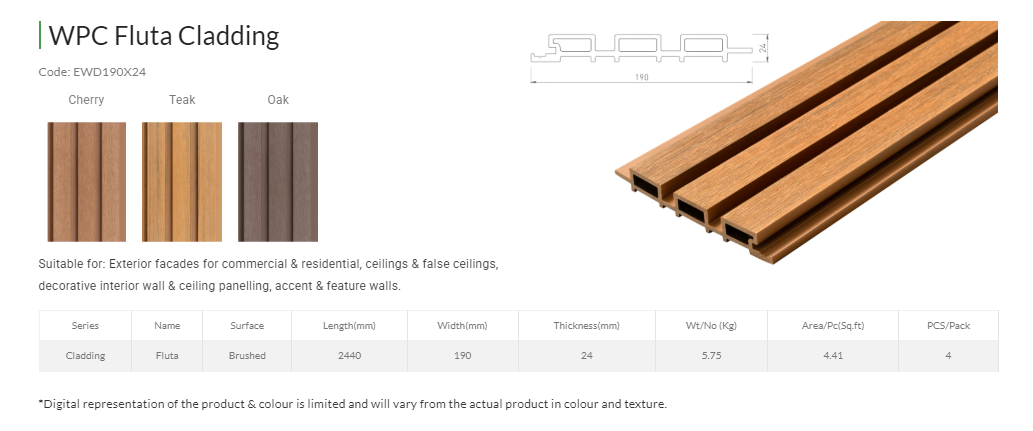
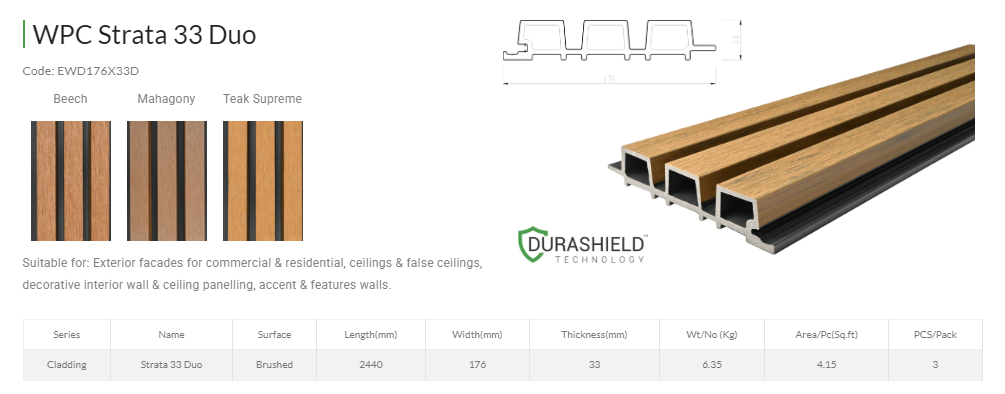
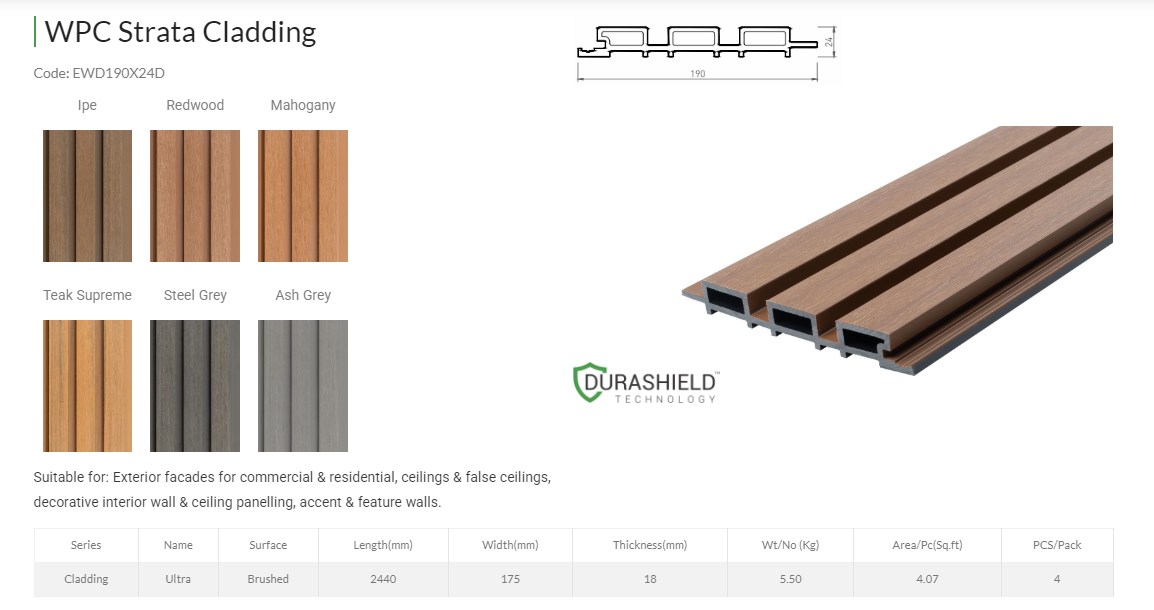
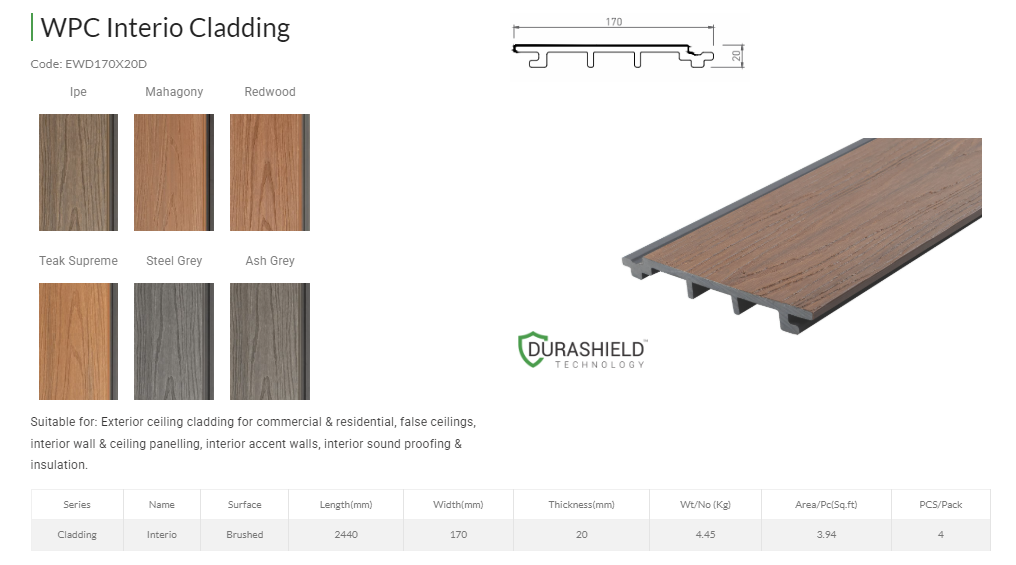
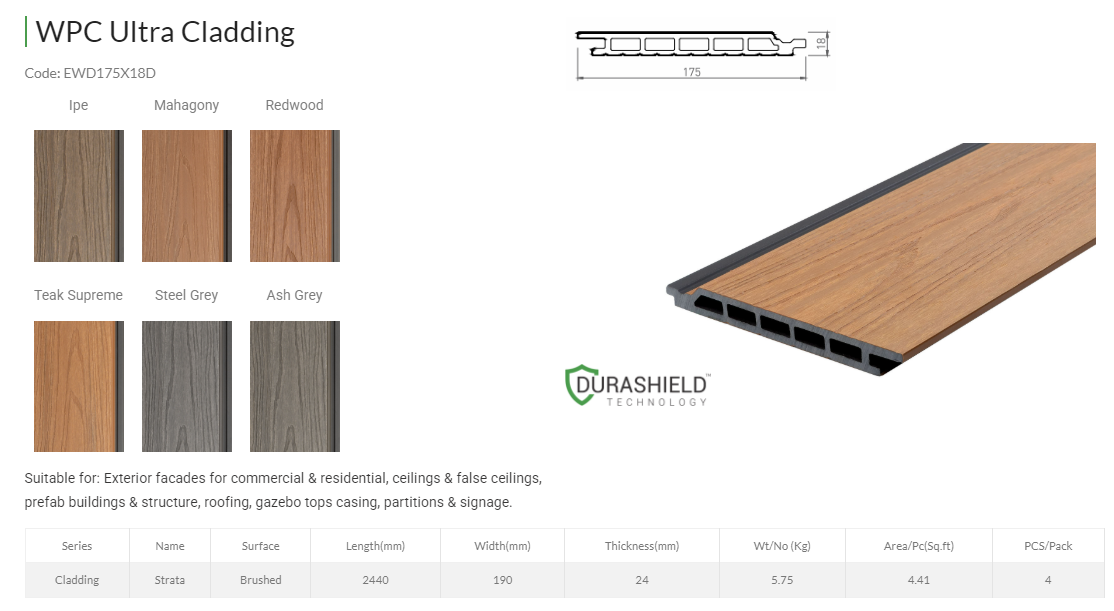
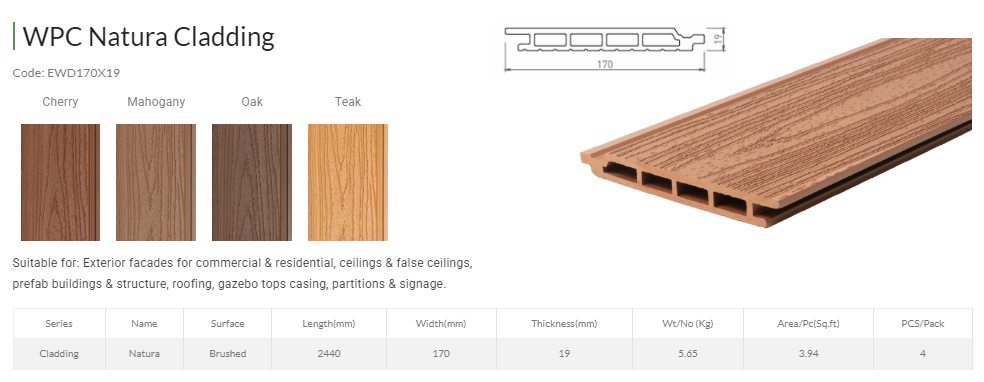
- Exterior wall and ceiling cladding
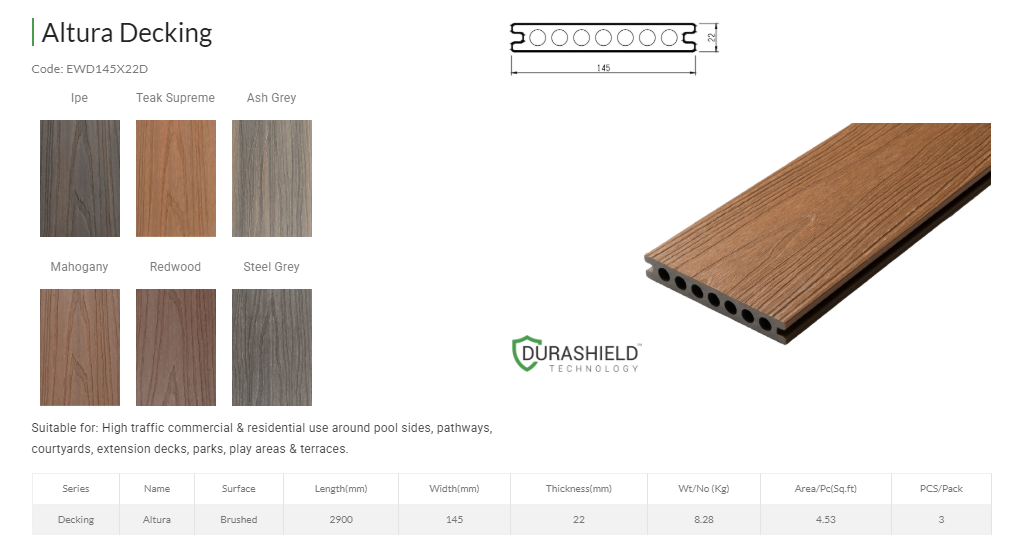
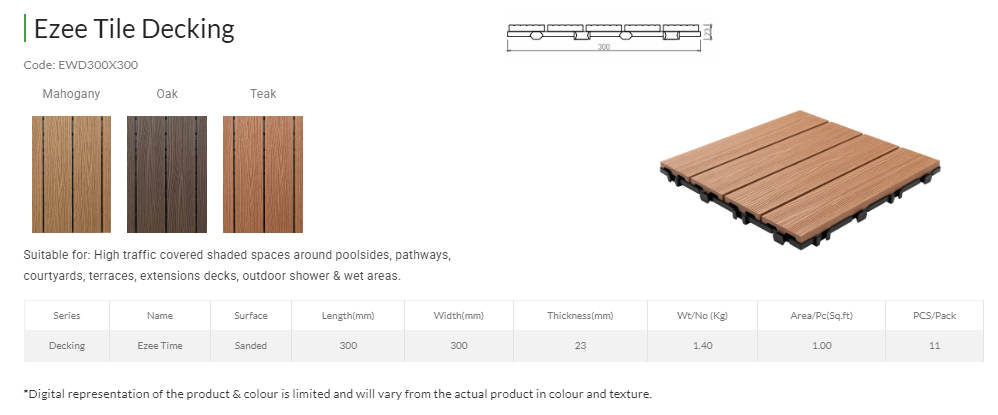
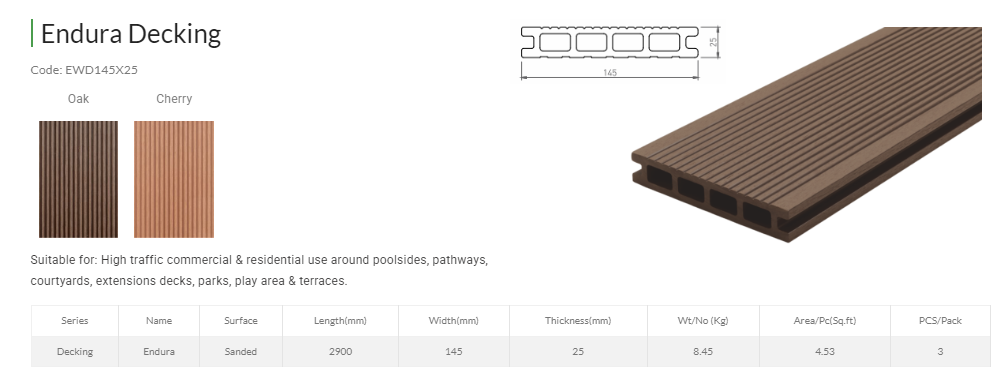
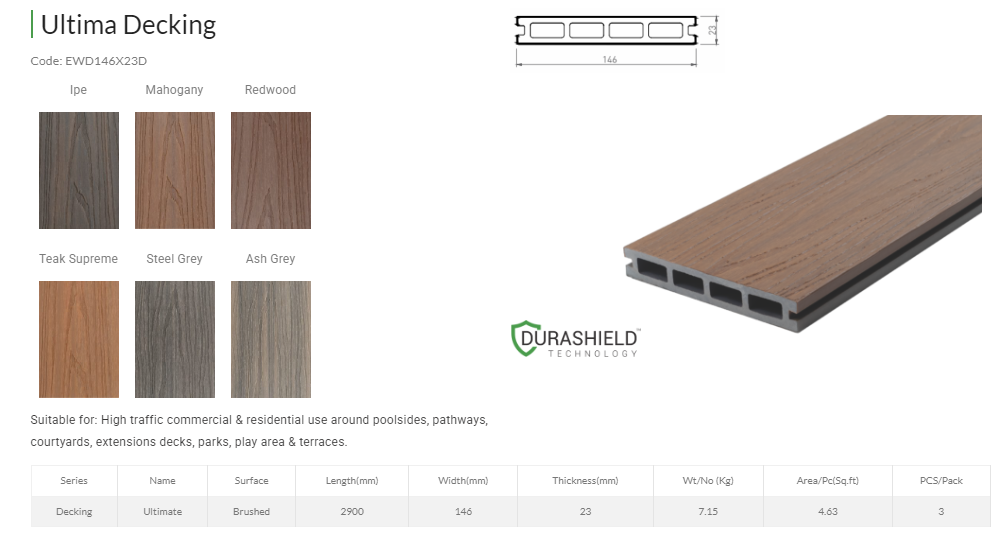
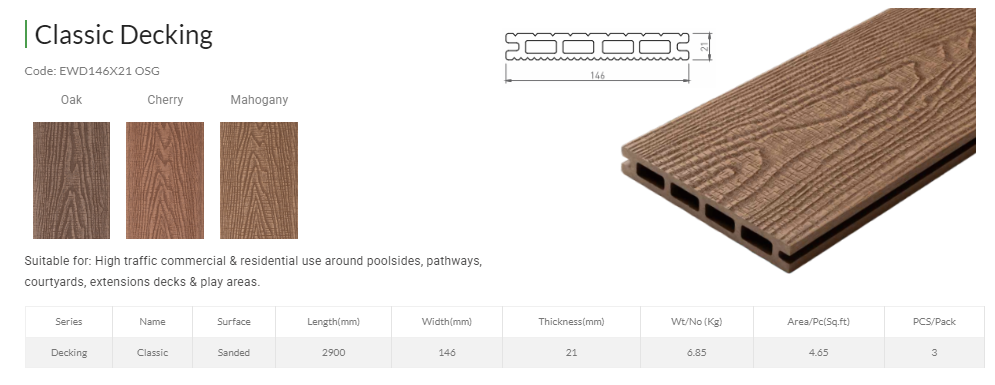
- Outdoor decking and terraces
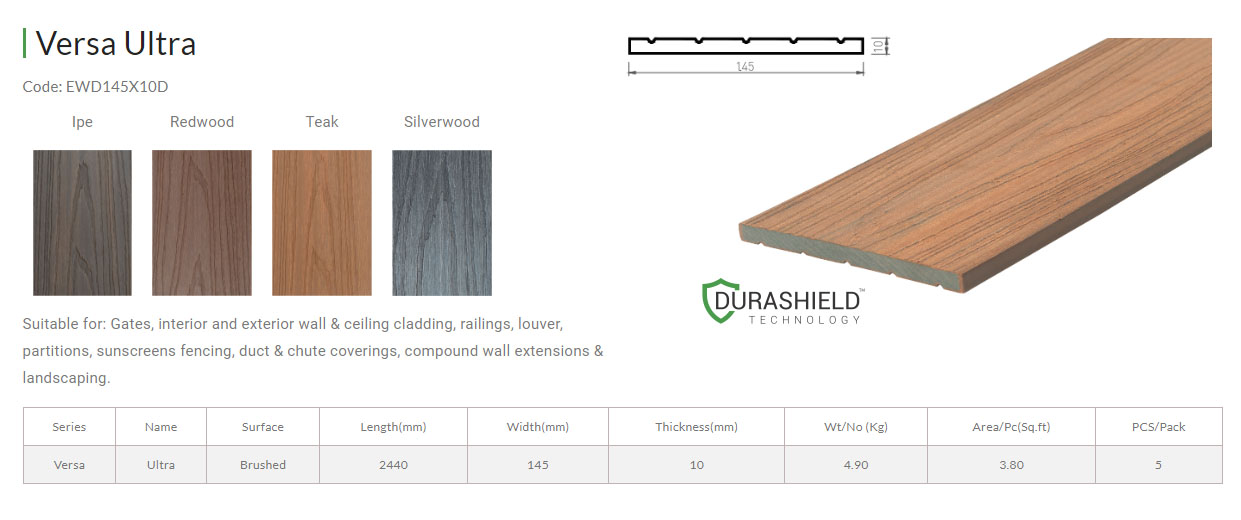
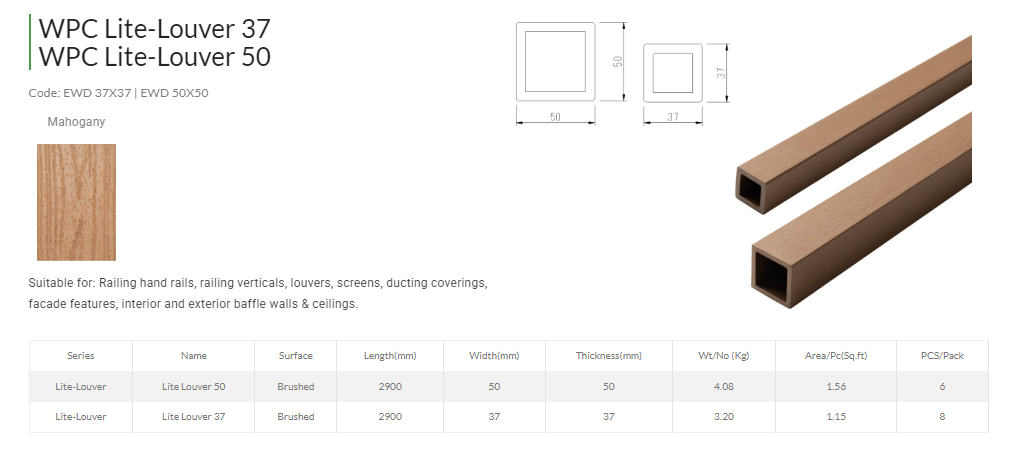
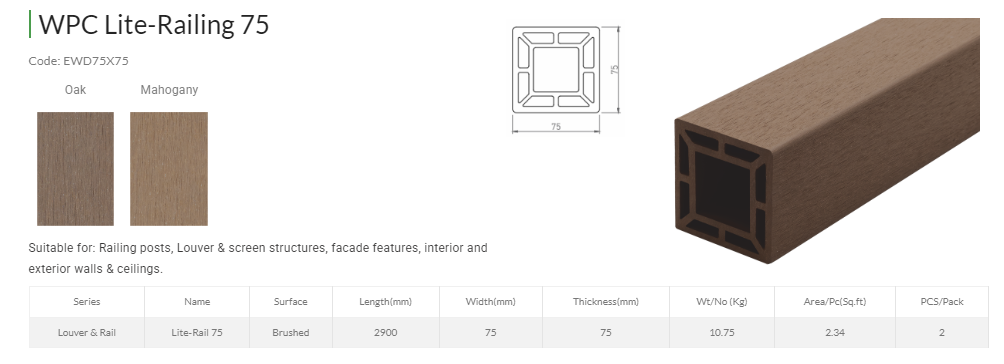
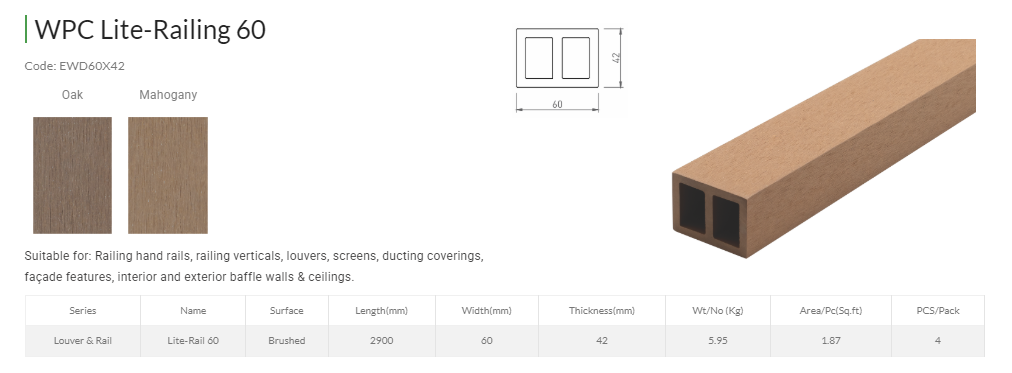
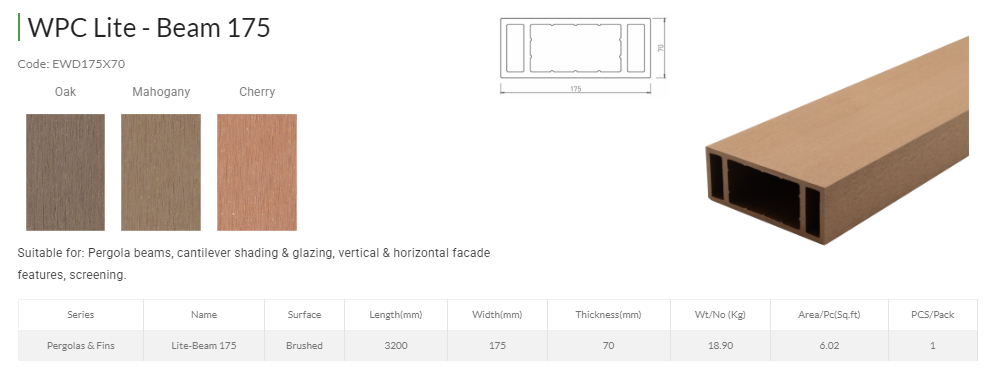
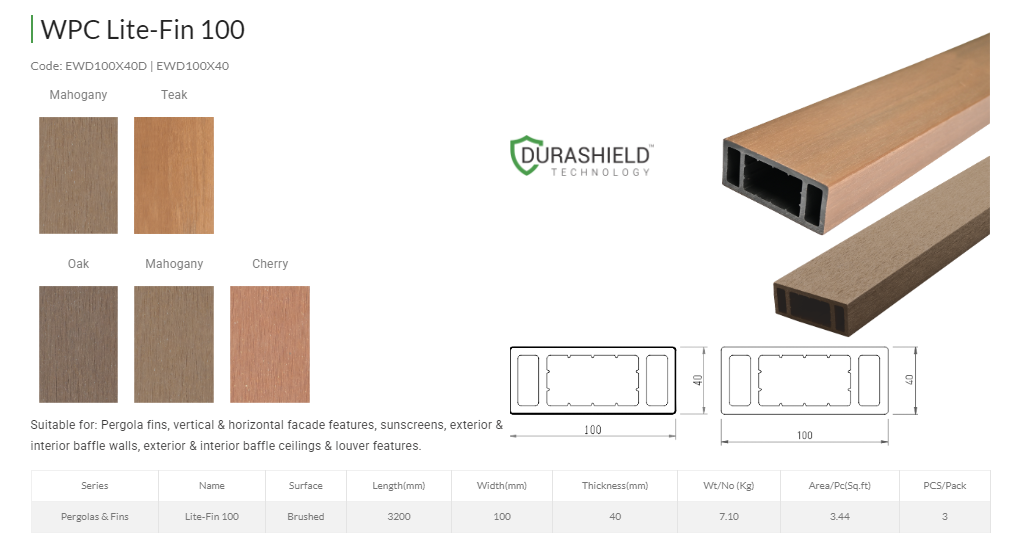
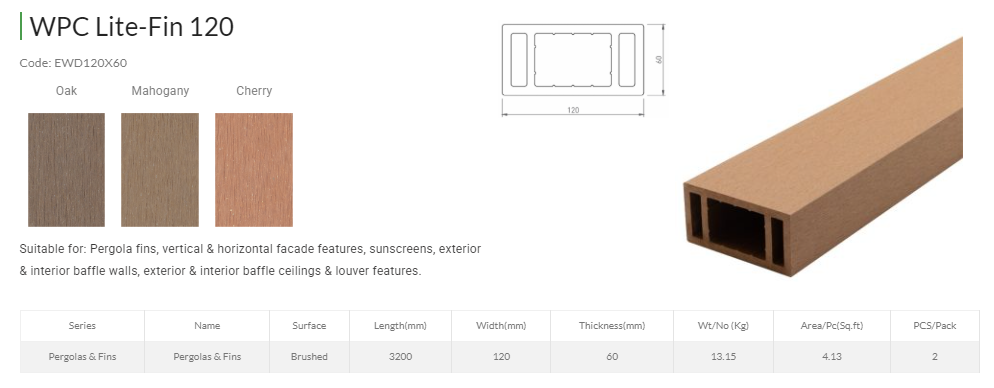
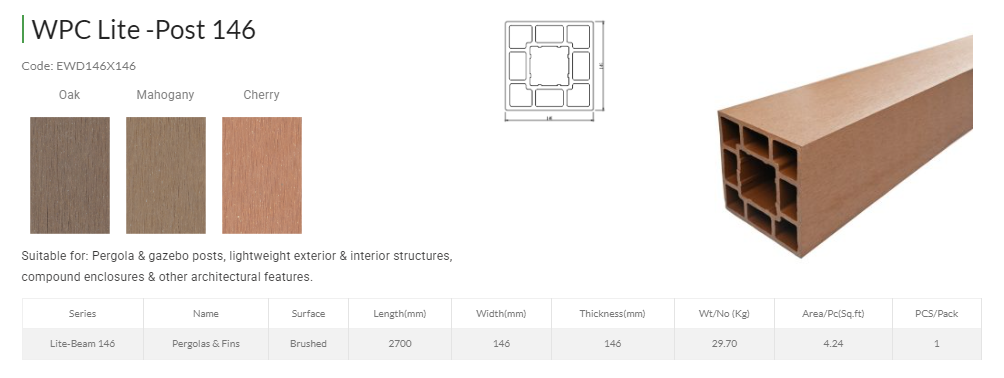
- Pergolas, louvers, and architectural screens
These applications allow designers to balance aesthetics with durability, without compromising long-term performance.
To explore how WPC is applied across exterior elements, view: https://everwoodwpc.com/wpc-applications/
The Shift Toward Lifecycle-Oriented Material
The growing preference for WPC reflects a broader shift in architectural thinking. Material choices are increasingly evaluated based on how they perform over 10–15 years, not just at installation.
Factors such as durability, maintenance effort, and climate resilience now play a critical role in material decisions. WPC aligns well with this lifecycle-focused approach, offering stable performance with reduced upkeep.
Conclusion
As modern Indian architecture continues to evolve, exterior materials are being chosen with greater emphasis on performance, reliability, and long-term value. WPC’s ability to withstand diverse climatic conditions, support contemporary design, and reduce maintenance demands has positioned it as a preferred exterior material.
Its adoption is not driven by novelty, but by practical design and performance considerations that align with today’s architectural priorities.
For application-specific insights, explore:
- Exterior wall and ceiling cladding solutions:
https://everwoodwpc.com/wpc-applications/wall-and-ceiling-cladding/ - Outdoor decking applications:
https://everwoodwpc.com/wpc-applications/outdoor-decking-everwood/
Choosing the right exterior material depends on climate, exposure, and long-term maintenance expectations. For ongoing discussions, practical questions, and real-world insights around WPC applications in India, you can explore the WPC Industry in India space on Quora.
FAQ on WPC
-
Why is WPC suitable for exterior applications in India?
WPC is suitable for exterior applications because it resists moisture, UV exposure, and temperature variations. These properties make it well suited for Indian climatic conditions, including heavy rainfall, humidity, and prolonged sunlight.
-
How does WPC compare to traditional exterior materials?
Compared to traditional materials like natural wood or cement-based panels, WPC offers better weather resistance and requires significantly less maintenance. It maintains surface stability and appearance over longer periods in exterior environments.
-
Is WPC a low-maintenance exterior material?
Yes. WPC exterior applications generally require only basic cleaning and do not need regular painting, sealing, or polishing, making it a low-maintenance option for long-term use.
-
Where is WPC commonly used in modern architecture?
WPC is commonly used for exterior wall cladding, ceiling applications, outdoor decking, pergolas, louvers, and architectural screens in residential, commercial, and hospitality projects.
-
Why are architects increasingly choosing WPC for facades?
Architects prefer WPC because it balances durability, design flexibility, and long-term performance. Its consistent appearance and predictable maintenance profile support lifecycle-oriented design decisions.
Long-term performance. Its consistent appearance and predictable maintenance profile support lifecycle-oriented design decisions.