Climate plays key role in WPC installation?
WPC is designed for exterior performance, but how it is installed plays a critical role in how well it adapts to environmental conditions. In South India, where heat, humidity, and seasonal rains are intense, installation must align with these factors to ensure long-term stability.
For a broader understanding of material performance across climates.
Effect of High temperature on WPC installation
High temperatures can cause slight expansion in WPC materials. While this movement is minimal, installation must accommodate it through proper spacing and flexible fixing systems.
Ignoring this can lead to stress buildup over time. This is why WPC is often preferred in heat-intensive regions.
Humidity’s impact on WPC performance?
Humidity is a constant factor in many parts of South India, especially coastal regions. While WPC resists moisture better than natural wood, installation must still ensure airflow behind panels and beneath decking.
This prevents moisture buildup and supports long-term structural performance.
Planning during Monsoon rains for WPC applications
Monsoon conditions require careful drainage planning. Water should never be allowed to stagnate around or beneath WPC installations.
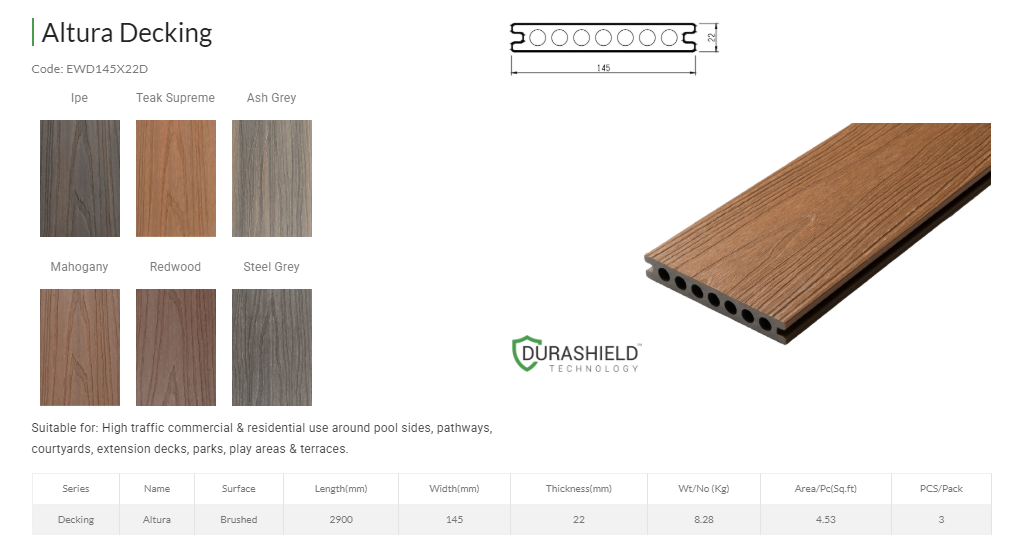
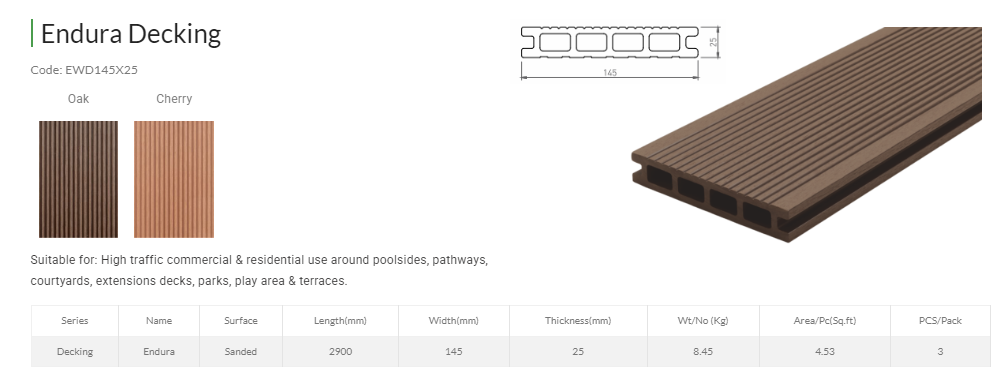
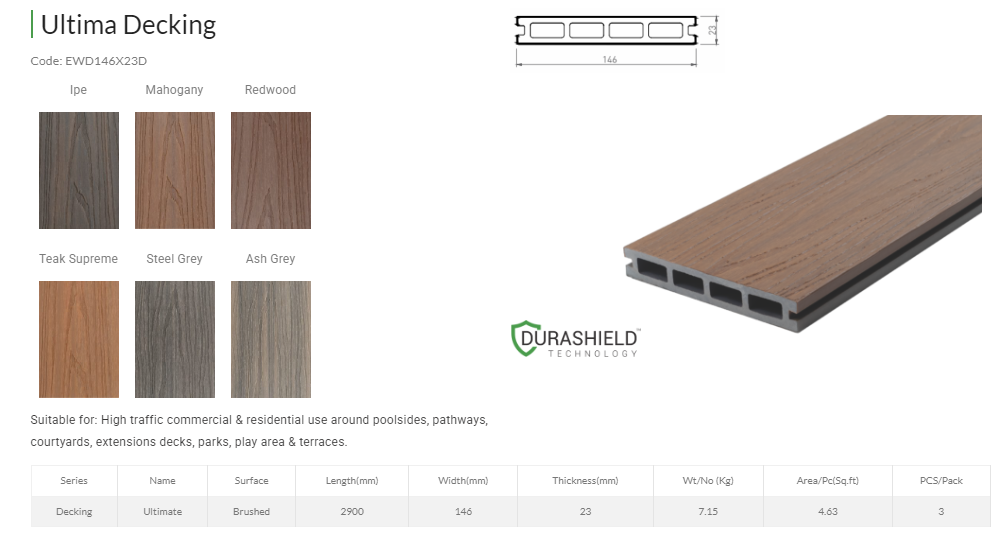
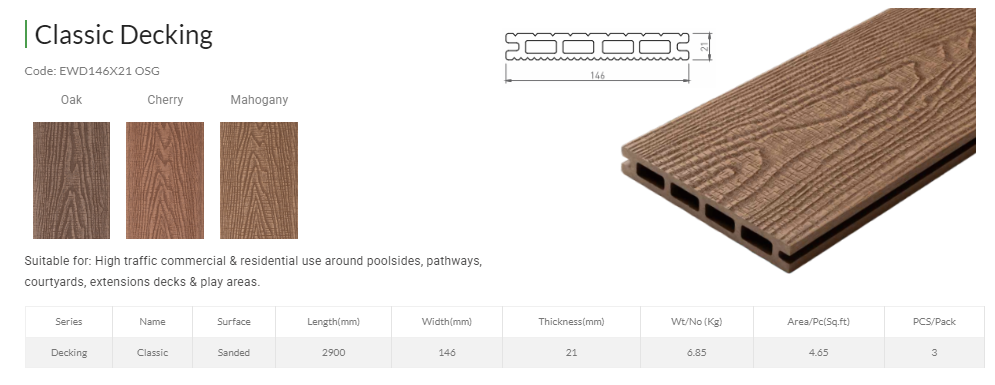
Designing for slope, maintaining gaps between boards, and ensuring proper runoff are essential practices. These principles are especially critical in decking.
Coastal exposure on WPC materials
Coastal environments introduce salt-laden air, which can impact supporting components. While WPC itself performs well, fasteners and substructures must be chosen carefully to resist corrosion.
Regular surface cleaning also helps maintain appearance and performance.
How does weather affect long-term WPC performance?
When installation aligns with environmental conditions, WPC maintains consistent performance across seasons. It resists moisture, handles temperature variation, and retains its appearance over time.
However, incorrect installation can lead to avoidable issues, regardless of material quality.
Key installation precautions for South Indian conditions?
Successful WPC installation in this region comes down to a few critical considerations:
- Allowing expansion gaps
- Ensuring proper drainage
- Maintaining airflow in substructures
- Using suitable fasteners for humid or coastal zones
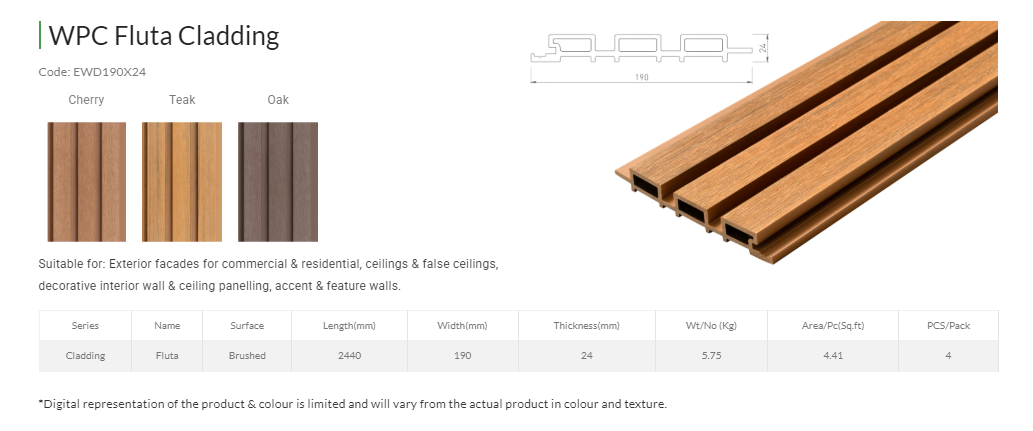
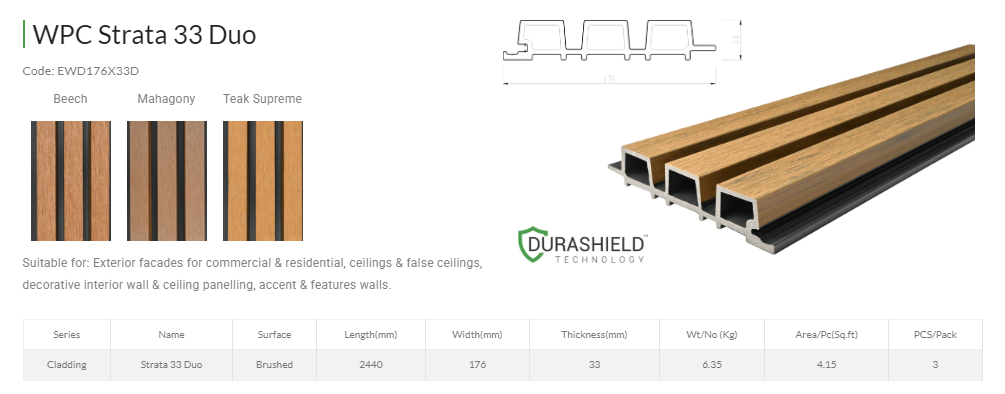
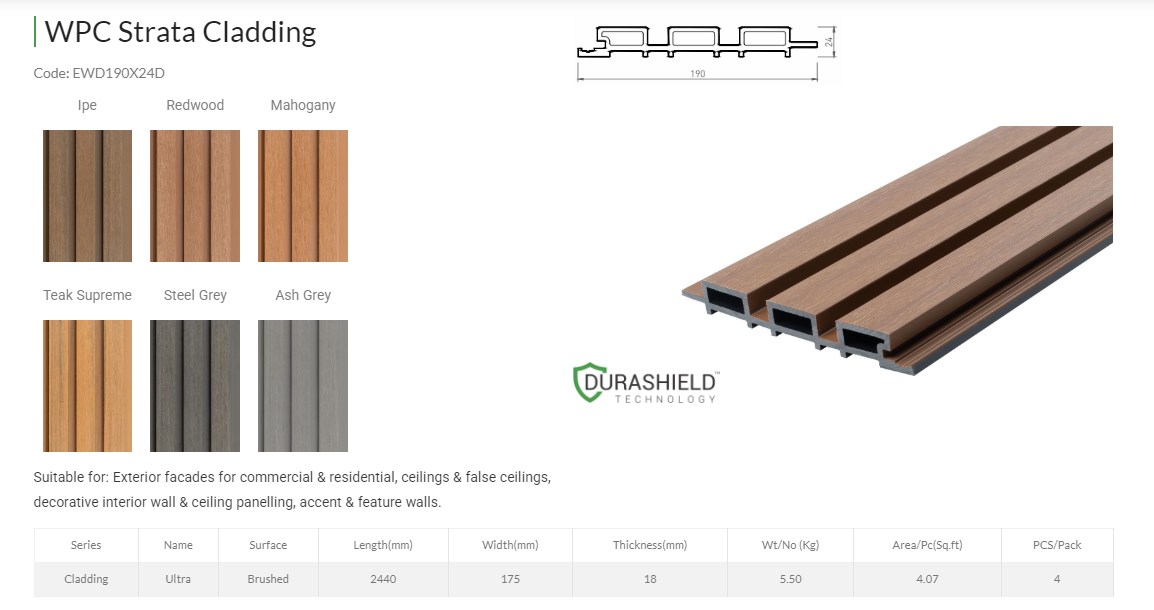
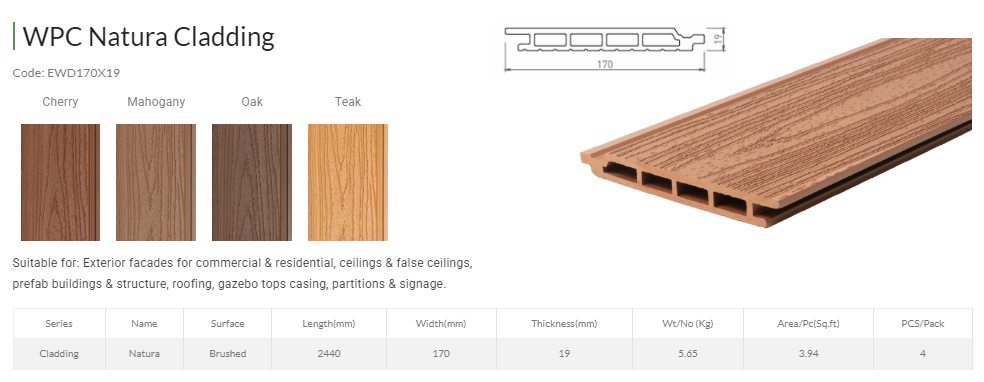
These practices are also essential for cladding systems.
Conclusion
South India’s climate demands thoughtful installation planning for any exterior material. WPC performs reliably across heat, humidity, and rainfall when installed correctly, making it a practical solution for diverse environmental conditions.