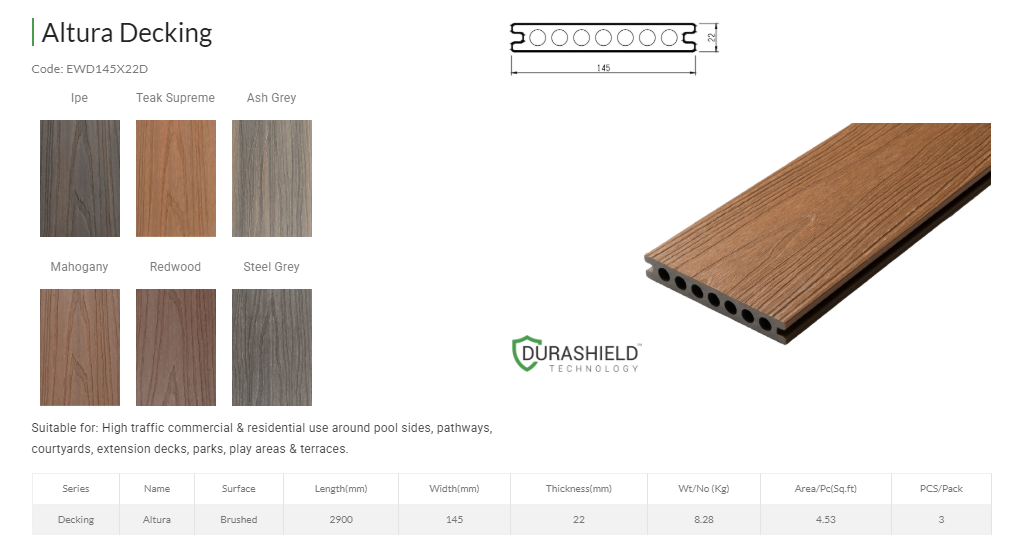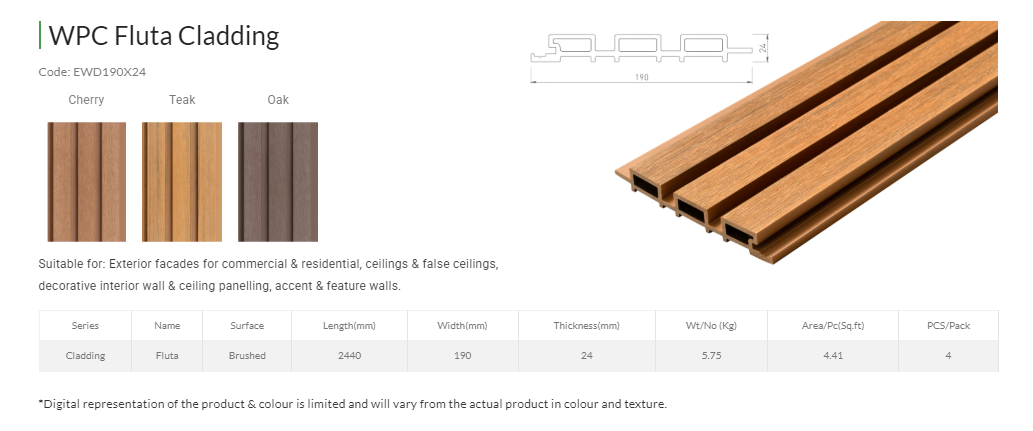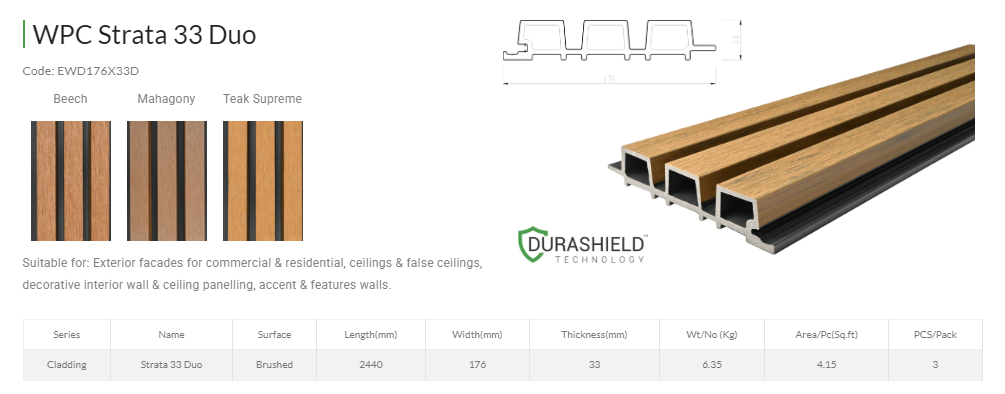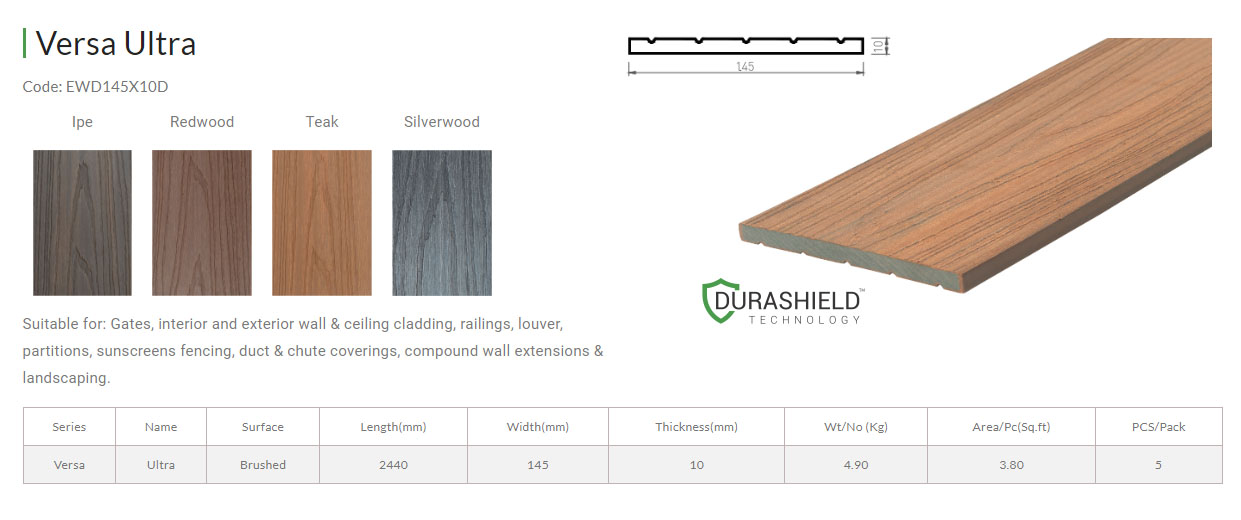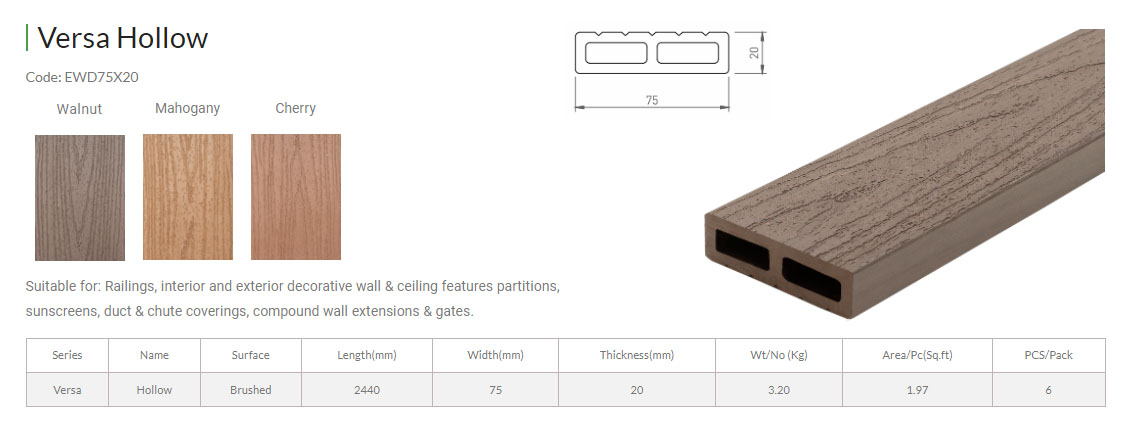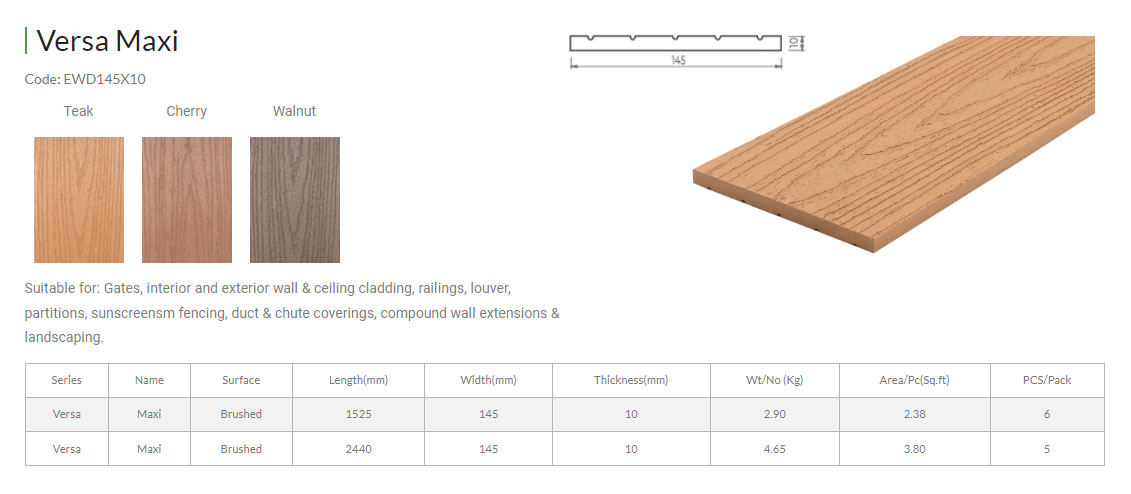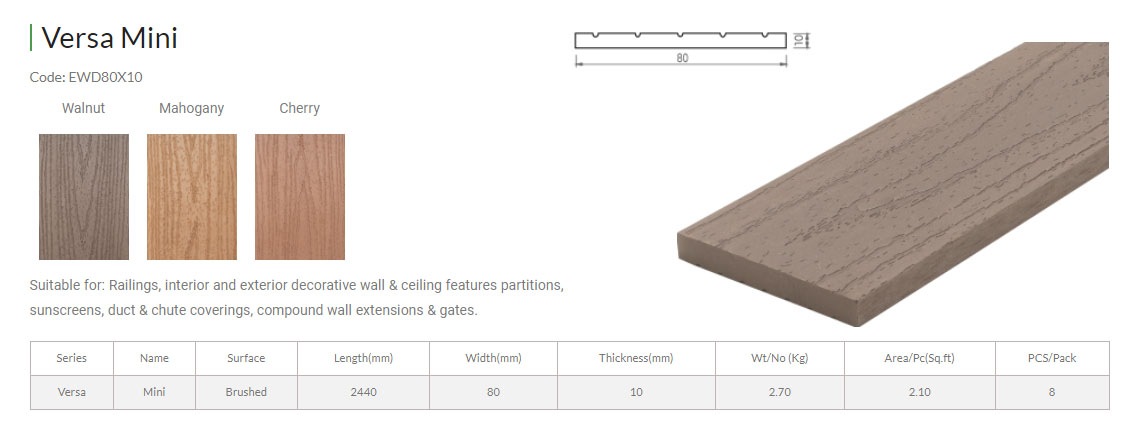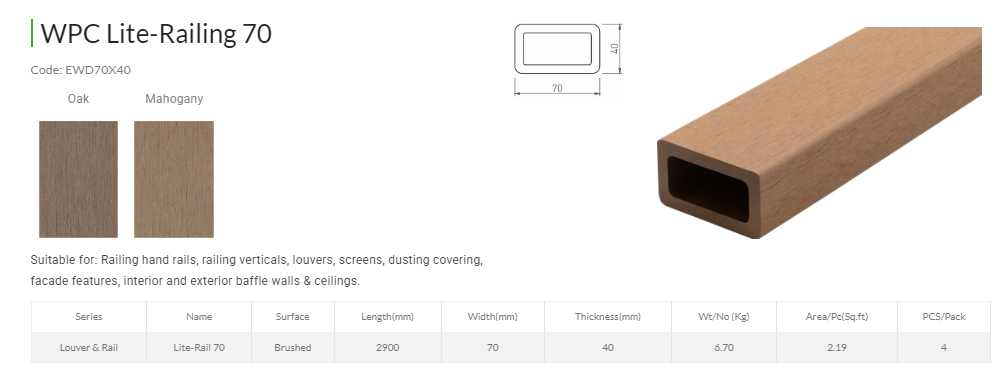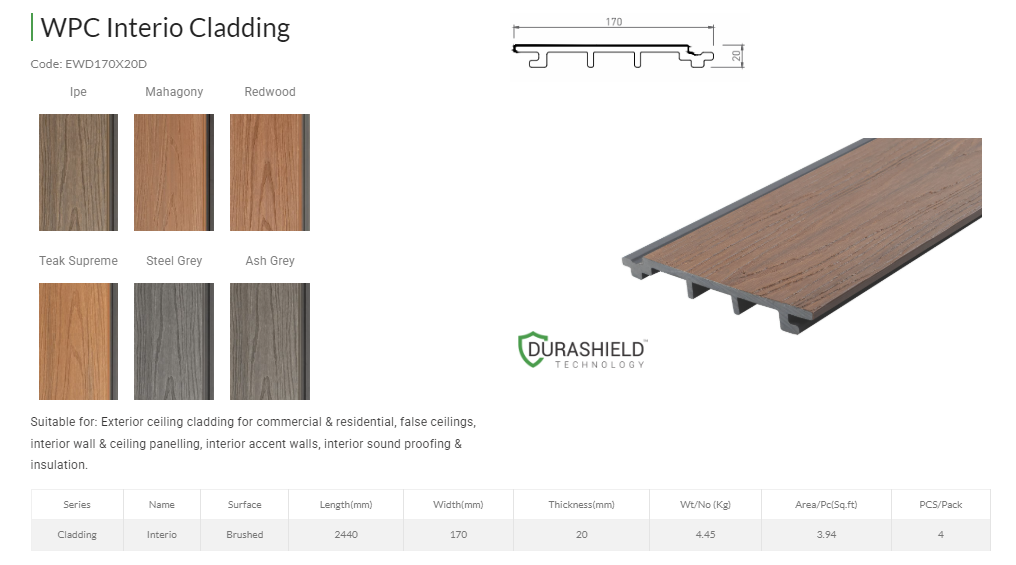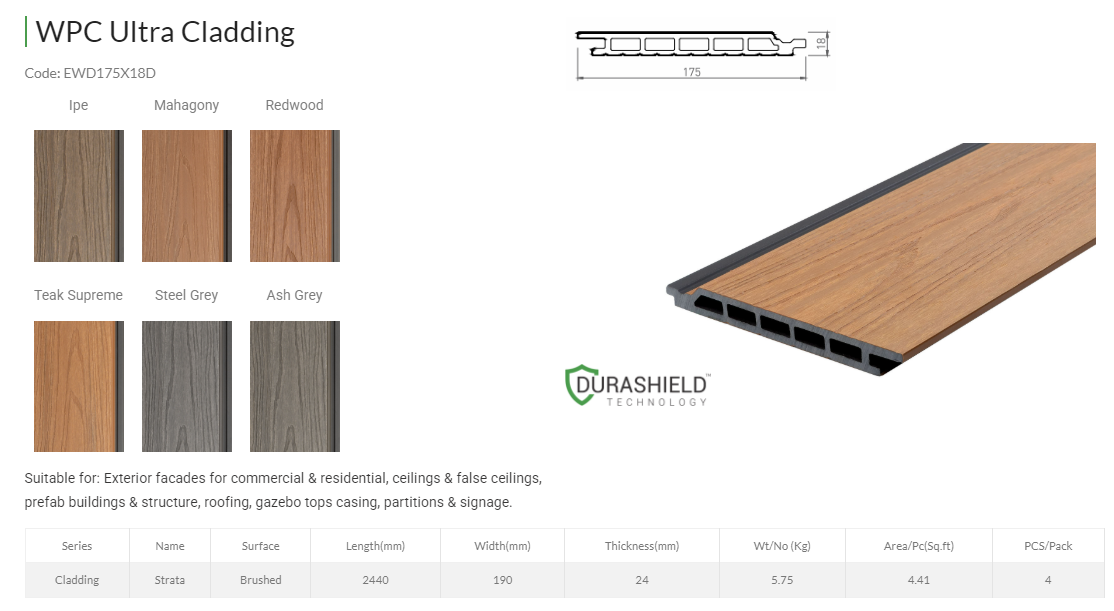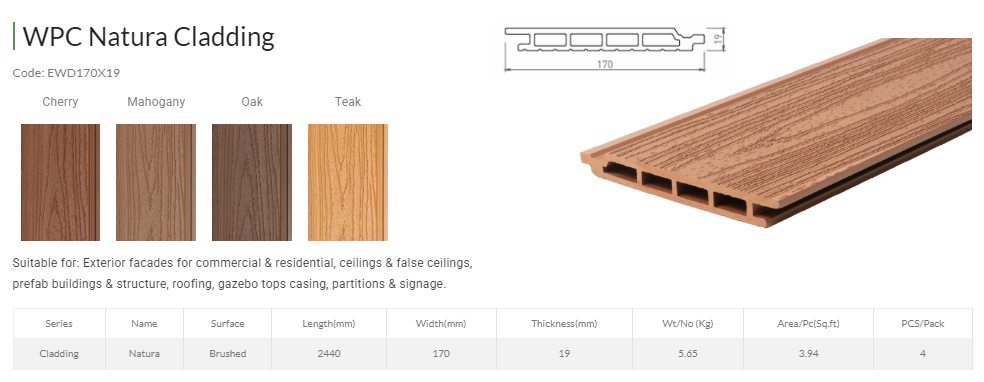
WPC Louvers in Exterior Facades
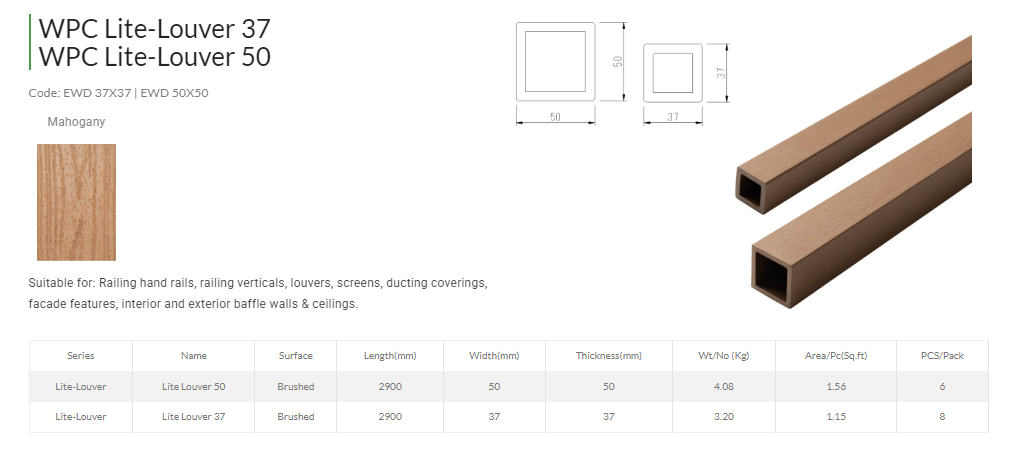
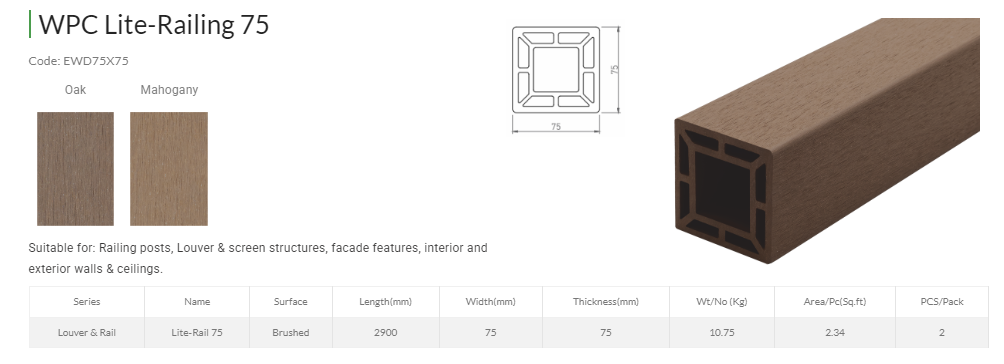
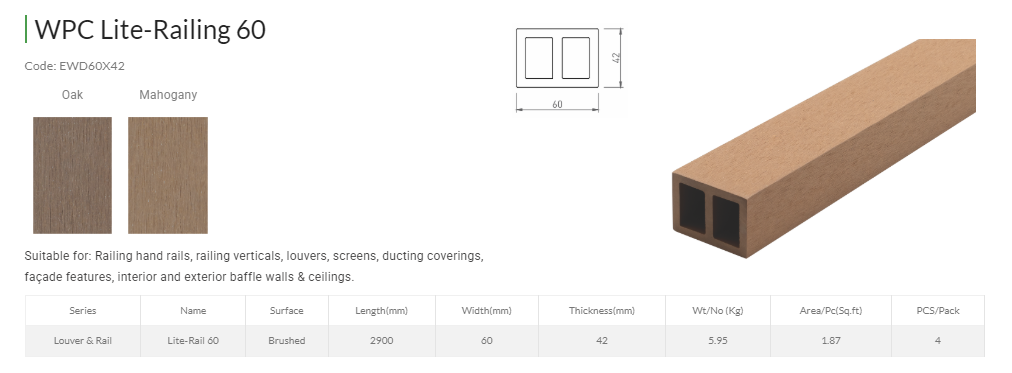
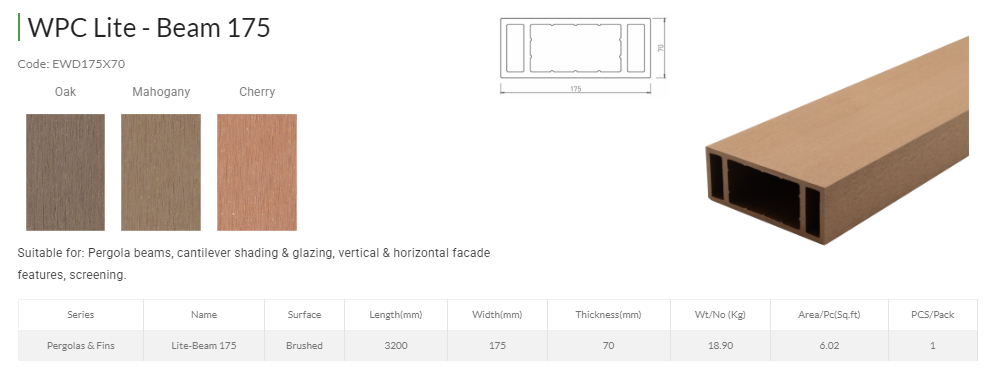
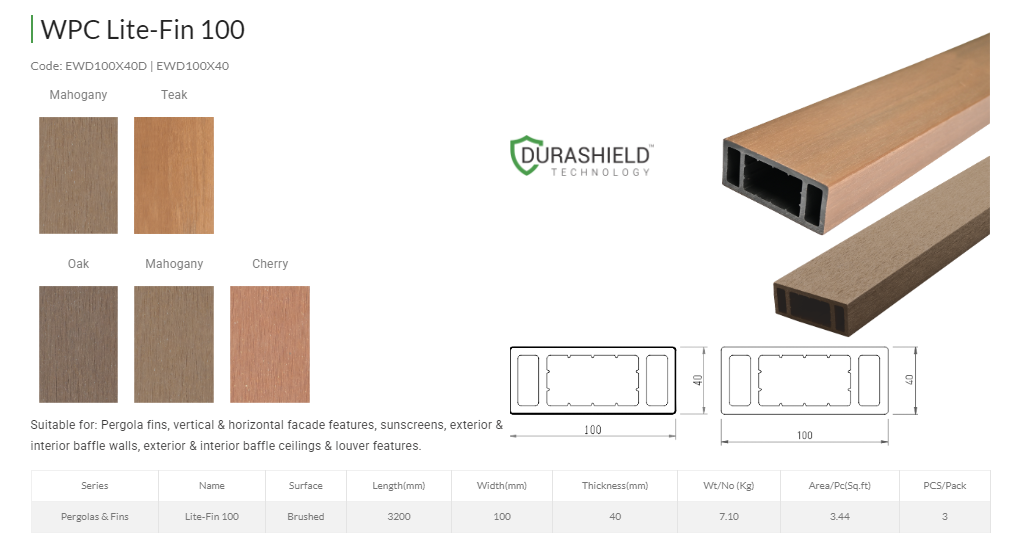
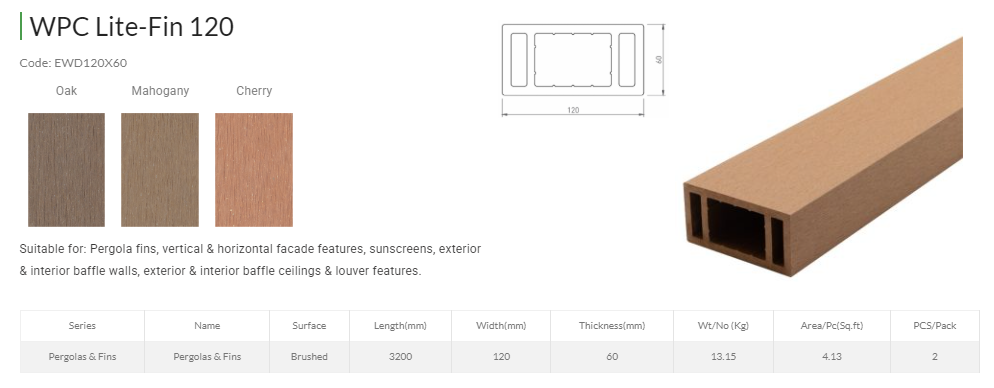
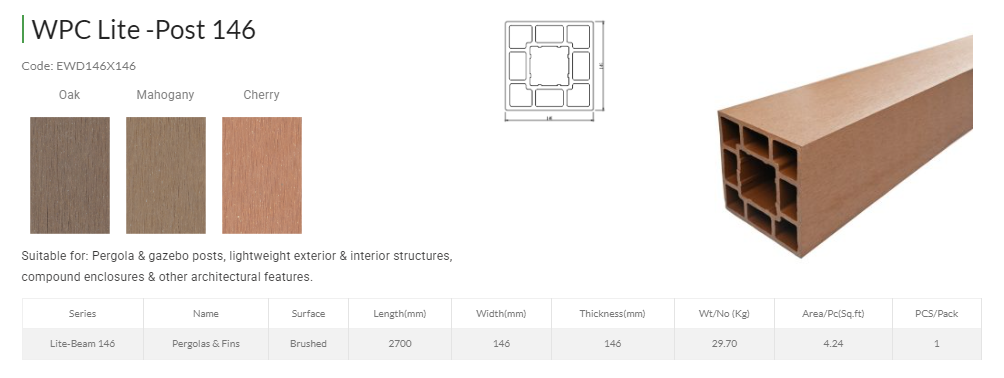
WPC louvers are commonly used in exterior facades where buildings require a combination of ventilation, shading, and architectural screening. In modern residential and commercial architecture, these louver systems are installed in balconies, facade elevations, sunscreens, and privacy partitions to improve both functional performance and visual appeal.
Unlike traditional wood louvers, WPC louvers offer improved durability for outdoor environments because they resist moisture, termites, and weather exposure. This makes them suitable for exterior applications where materials must maintain their appearance and structural stability over time.
Architects often integrate WPC railings and louvers into facade designs to create ventilated building envelopes that allow airflow while reducing direct sunlight.
Because of these advantages, WPC louvers are increasingly used in contemporary building facades where durability, low maintenance, and design flexibility are important considerations.
Role of Louvers in Modern Exterior Facade Design
Louvers play an important role in contemporary architecture by combining functional performance with architectural aesthetics. They allow controlled airflow, reduce direct sunlight exposure, and introduce strong visual lines into building elevations.
In facade design, louvers can serve several purposes simultaneously. They help regulate sunlight entering a building, provide partial visual screening, and create architectural patterns that enhance the overall appearance of a structure.
Because louvers can be installed vertically or horizontally, they also provide architects with flexibility in creating dynamic facade compositions.
Common Applications of WPC Louvers in Building Facades
WPC louvers are widely used in exterior architecture where designers require a balance between ventilation, privacy, shading, and facade aesthetics.
Balcony and Terrace Railings
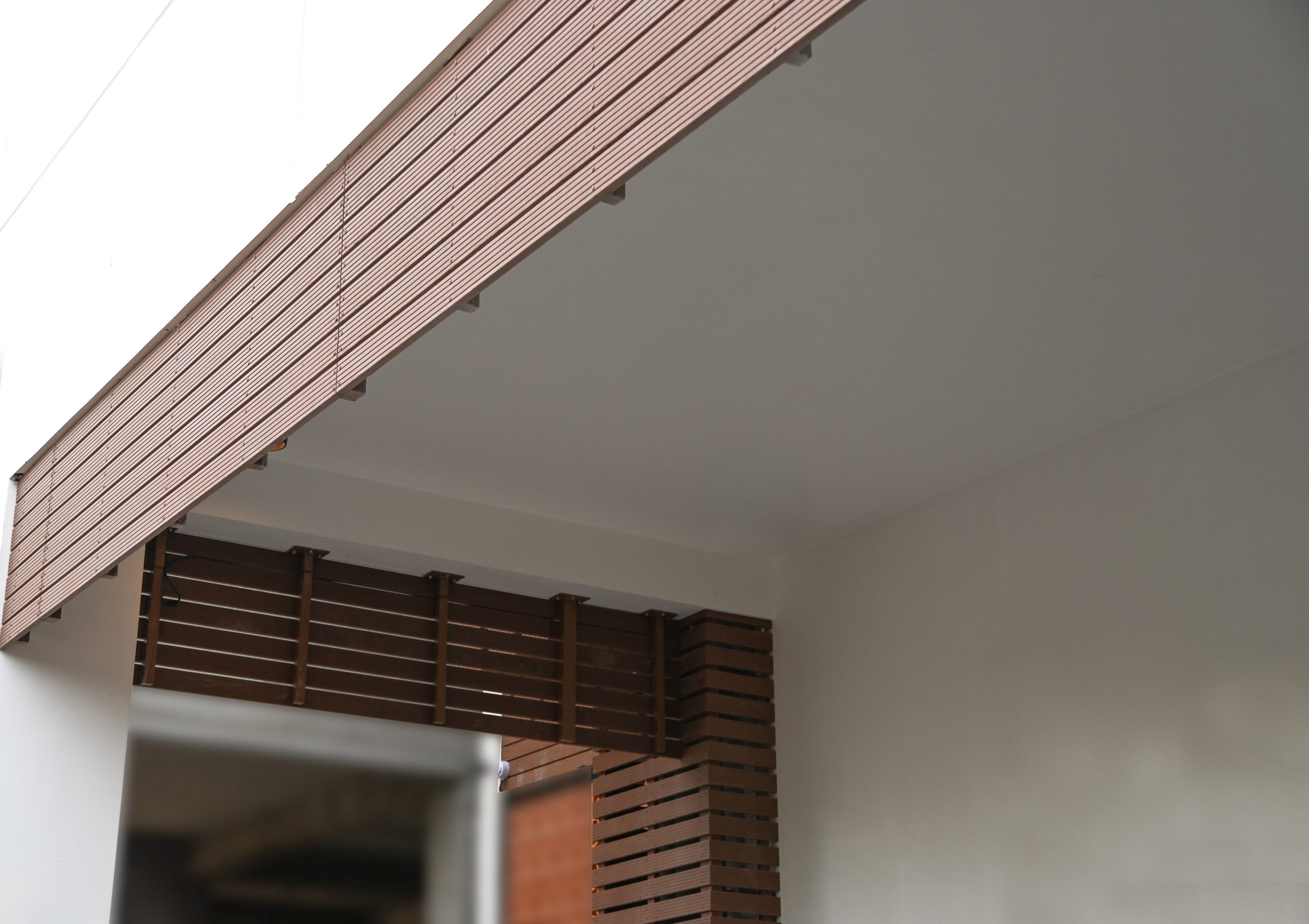
Louvers are frequently incorporated into balcony railing systems to create semi-open barriers that provide safety and airflow. The spacing between the louver panels allows light and ventilation while maintaining privacy for occupants.
Ventilated Facade Elements
In modern buildings, ventilated facade systems help reduce heat buildup and improve airflow around exterior walls. Louvers installed vertically or horizontally can function as facade components that regulate air circulation while filtering sunlight.
Sunscreens and Shading Systems
Louvers are often used as shading elements near windows or exposed exterior walls. By limiting direct sunlight penetration, they help improve comfort in outdoor corridors, terraces, and other semi-open areas.
Privacy Screens and Outdoor Partitions
Residential projects frequently use louvers as privacy screens on balconies and terraces. These installations allow separation between outdoor spaces without completely blocking airflow or natural lighting.
Landscape and Outdoor Design Features
Louvers may also be used in outdoor architectural elements such as fencing, garden partitions, and landscape screens. In these applications they help define spaces while maintaining visual continuity with the building facade.
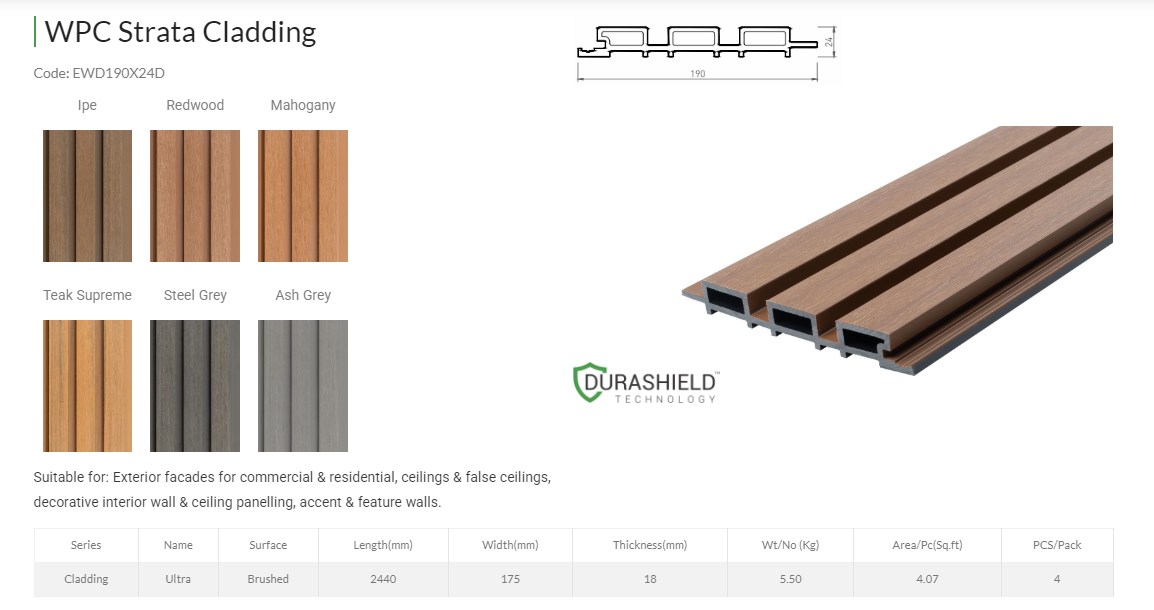
These installations are often used alongside WPC cladding systems to create a consistent exterior material palette across the building envelope.
Design Considerations for WPC Louver Installations
When integrating louvers into an exterior facade, architects typically consider several design factors to ensure both functional performance and visual harmony.
Important considerations include:
- orientation of the building and direction of sunlight
- spacing between louver panels for airflow and shading
- compatibility with other facade materials such as cladding or glass
- maintaining consistent finishes across large exterior surfaces
These design choices influence how louvers contribute to the overall architectural composition of the building.
Performance Benefits of WPC Louvers in Outdoor Conditions
Exterior facade elements must withstand exposure to sunlight, rain, and temperature variations. WPC louvers are often selected for outdoor applications because they provide durability while maintaining a consistent appearance. Typical performance advantages include:
- resistance to moisture and humidity
- resistance to termite damage
- reduced fading compared to natural wood
- improved dimensional stability in outdoor environments
Because of these characteristics, WPC louvers are suitable for long-term exterior architectural installations.
Why Architects Choose WPC Louvers for Exterior Projects
Architects and developers often select WPC louvers when a project requires a combination of aesthetic appeal and long-term durability. The material offers the visual warmth of wood while avoiding many of the maintenance challenges associated with natural timber. The flexibility of installation—whether vertical, horizontal, or patterned—also allows designers to create distinctive facade compositions that enhance the visual identity of a building.
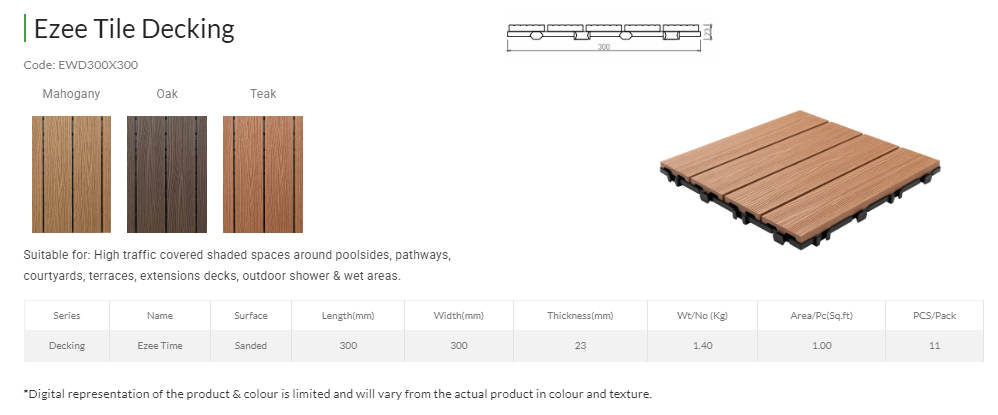
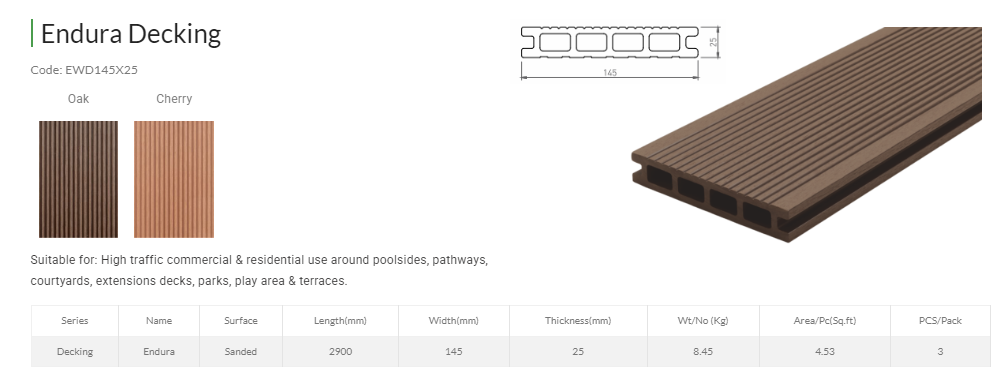
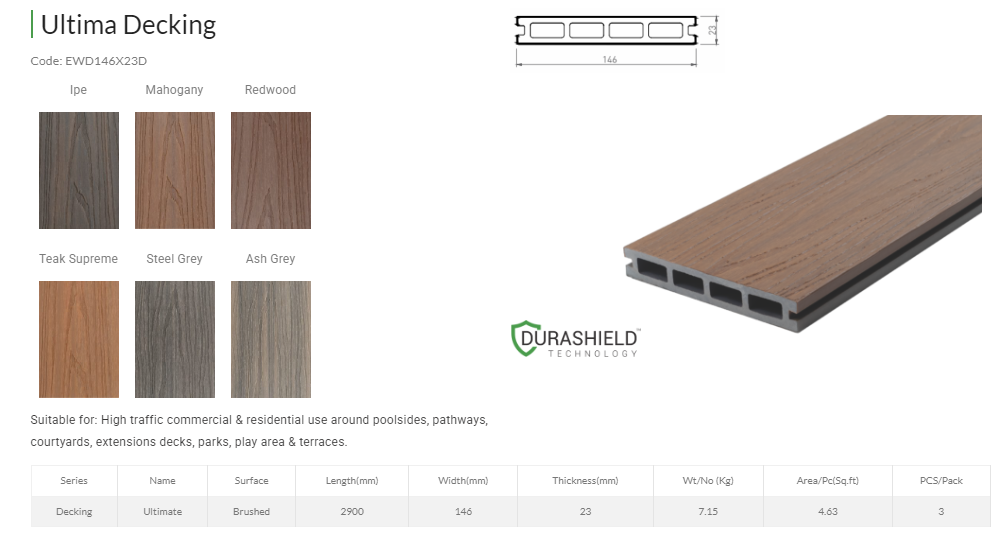
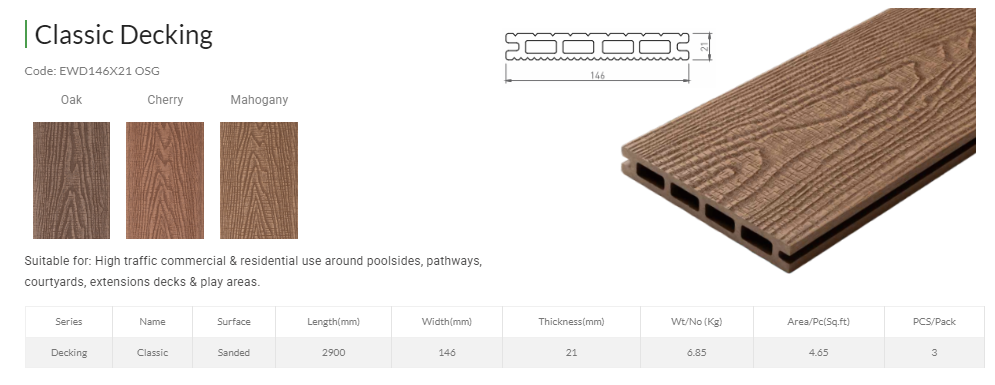
In many contemporary projects, louvers are used alongside other exterior architectural solutions such as WPC decking systems to create cohesive outdoor design environments.
FAQ on WPC Louvers
- What are WPC louvers used for in building facades ? WPC louvers are used in exterior facades for shading, ventilation, balcony railings, privacy screens, and decorative architectural elements.
- Are WPC louvers suitable for outdoor installations? Yes. WPC louvers are designed for exterior applications and typically offer resistance to moisture, termites, and weather exposure.
- Where are WPC louvers commonly installed? They are commonly installed in balconies, facade elevations, terrace screens, ventilated walls, and outdoor architectural partitions.
Conclusion
WPC louvers have become a versatile component in modern exterior architecture. Their ability to combine ventilation, shading, and architectural aesthetics makes them suitable for a wide range of facade applications. By offering durability, weather resistance, and low maintenance, WPC louvers provide architects and developers with a reliable solution for creating functional and visually appealing building exteriors.