Why Climate Matters When Choosing Decking
Outdoor spaces in India are exposed to some of the most demanding environmental conditions. From scorching summer temperatures and high humidity to heavy monsoon rains and coastal exposure, decking materials must do more than look attractive- they must perform consistently over time.
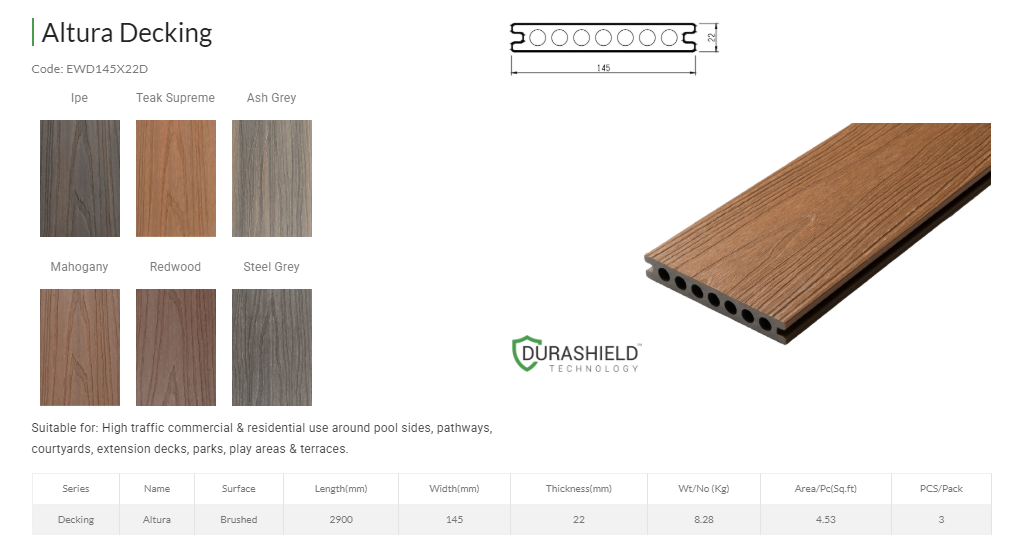
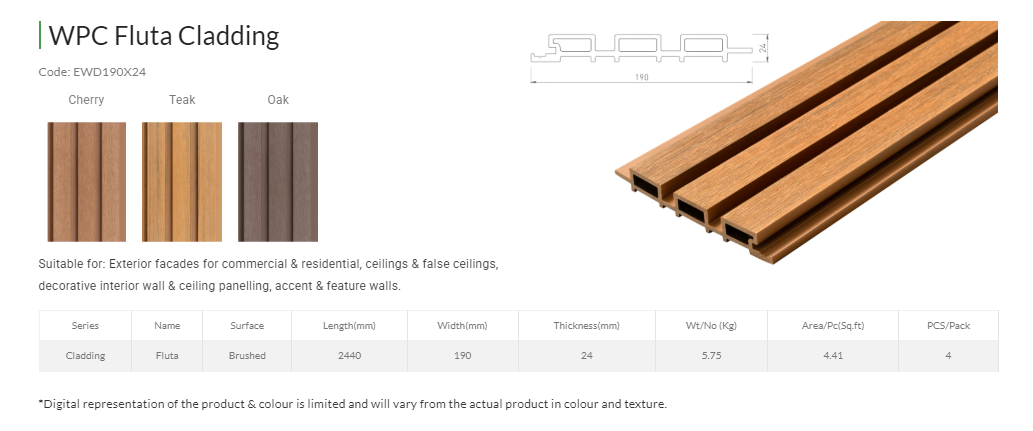
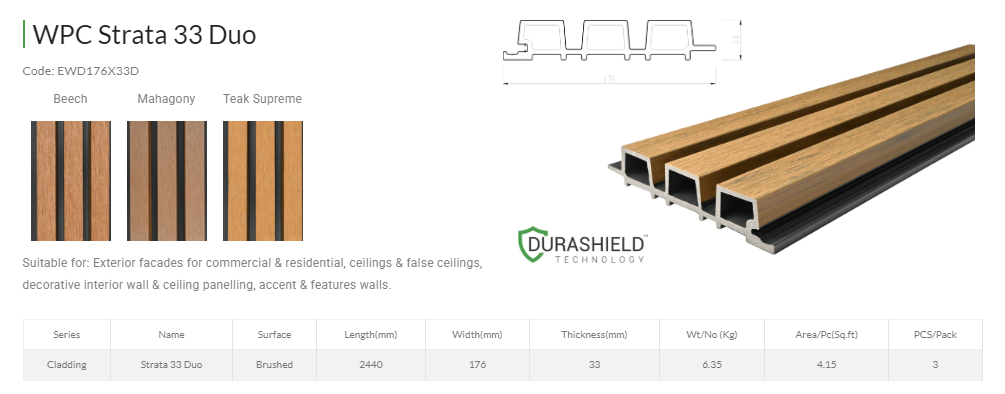
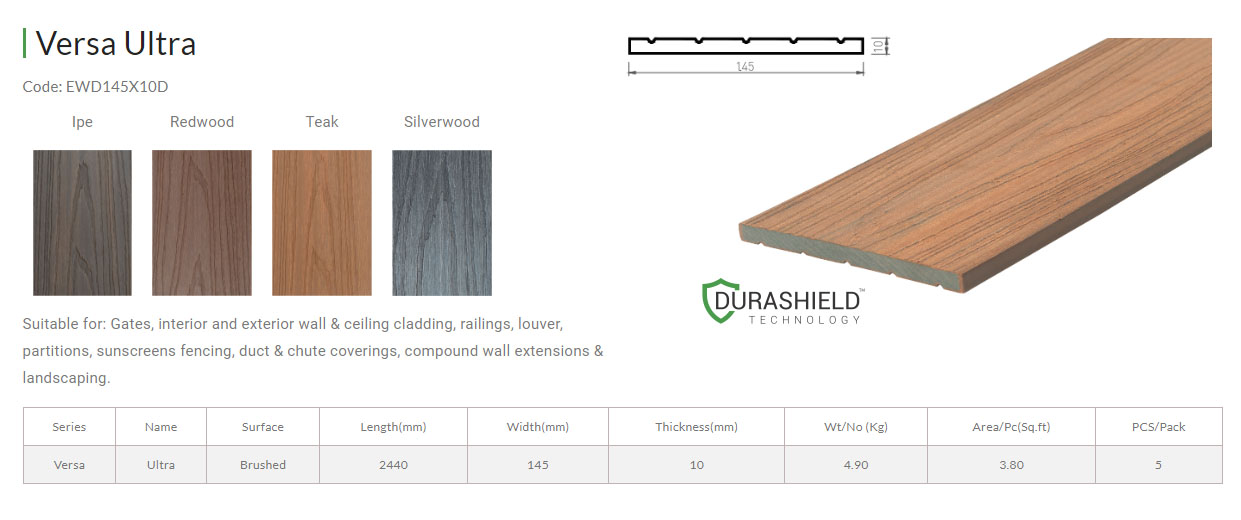
While natural wood has long been considered a premium choice, modern WPC (Wood Plastic Composite) decking is increasingly becoming the preferred option for homeowners, architects, and developers looking for long-term performance with minimal maintenance.
Understanding how each material responds to India’s climate can help you make a more informed investment.
How Does Indian Climate Affect Decking Materials?
India’s climate presents several challenges for outdoor surfaces:
– High temperatures and UV exposure
– Heavy rainfall and moisture
– Humidity and damp conditions
– Coastal salt-laden air
– Seasonal expansion and contraction
These factors directly influence the durability, appearance, and maintenance requirements of decking materials.
Performance in High Temperatures
Natural wood expands and contracts with temperature fluctuations. Prolonged exposure to intense sunlight can also lead to fading, cracking, and surface deterioration over time.
WPC decking is engineered for outdoor environments and offers greater dimensional stability under varying temperatures. While all materials experience some level of movement, WPC is designed to minimise the impact of thermal expansion when installed correctly.
For regions that experience prolonged heat, WPC offers a more predictable and durable solution.
Moisture & Humidity Resistance
Humidity is a constant challenge across many parts of India, particularly in coastal and tropical regions.
Natural wood absorbs moisture from the environment, which can lead to:
– Swelling
– Warping
– Rot
– Fungal growth
– Structural instability
WPC decking, on the other hand, is highly resistant to moisture absorption. This makes it particularly suitable for environments where humidity levels remain high throughout the year.
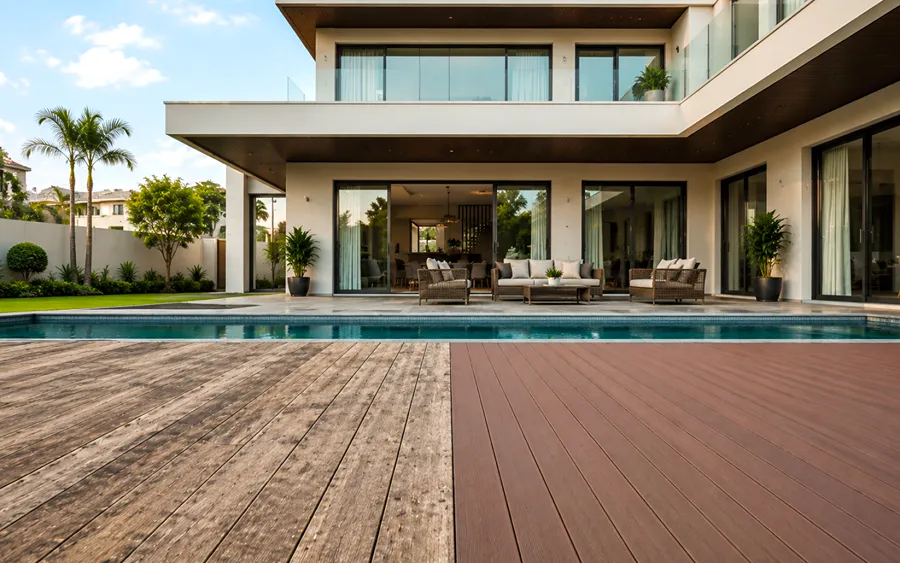
For pool decks, terraces, gardens, and waterfront properties, moisture resistance becomes a significant advantage.
Performance During Monsoon Seasons
Heavy rainfall can significantly impact outdoor materials.
Natural wood requires regular sealing and treatment to prevent water penetration and weather-related damage. Without proper maintenance, prolonged exposure to rain can reduce its lifespan and appearance.
WPC decking is designed to perform in wet conditions and requires significantly less maintenance. When installed with proper drainage and spacing, it allows water runoff while maintaining structural integrity.
For areas that experience intense monsoon conditions, WPC offers greater peace of mind.
Coastal Conditions & Salt Exposure
Properties located near the coast face additional challenges due to salt-laden air and constant moisture.
Natural wood often requires extensive maintenance and protective treatments to preserve its appearance and durability in coastal environments.
WPC decking performs well in coastal applications because it is resistant to moisture-related deterioration. However, as with any exterior installation, choosing corrosion-resistant fasteners and quality substructures remains important.
This makes WPC a practical choice for beachside villas, resorts, and waterfront developments.
Maintenance Requirements: WPC vs Natural Wood
One of the biggest differences between the two materials is maintenance.
Natural Wood Requires:
– Periodic sanding
– Sealing and staining
– Surface treatments
– Termite protection
Ongoing repairs
WPC Decking Requires:
– Basic cleaning
– Occasional maintenance checks
– Minimal upkeep over time
For premium homeowners and commercial projects, lower maintenance often translates into better long-term value.
Which Material Offers Better Long-Term Performance?
When properly installed, both materials can create beautiful outdoor spaces.
However, under Indian climatic conditions, WPC offers several advantages:
– Better moisture resistance
– Improved weather durability
– Lower maintenance requirements
– Greater resistance to termites and rot
– Consistent appearance over time
– Enhanced long-term value
While natural wood offers unmatched authenticity, WPC delivers a balance of aesthetics and performance that aligns well with modern outdoor living requirements.
Key Considerations When Choosing Decking
Before selecting a decking material, consider:
– Local climate conditions
– Exposure to rain and humidity
– Maintenance expectations
– Long-term ownership costs
– Design objectives
– Project location
For most residential, hospitality, and commercial outdoor applications in India, durability and lifecycle performance are becoming just as important as visual appeal. Thats where Everwood comes in.
Natural wood remains a timeless and elegant material. However, India’s demanding climate often requires significant maintenance to preserve its beauty and performance.
WPC decking offers a modern alternative that combines the warmth and appearance of wood with enhanced resistance to heat, moisture, humidity, and weather-related wear.
For homeowners, architects, and developers seeking a premium decking solution built for Indian conditions, WPC provides a practical, durable, and future-ready choice.
The best outdoor spaces are designed not just for today, but for years of performance ahead.