Introduction
Facade design plays a critical role in defining the visual identity of a building. Beyond material selection, the choice of profile—how a surface is shaped, grooved, or patterned—has a significant impact on how a structure is perceived. In WPC cladding, two profiles are commonly considered for exterior facades: fluted and flat. While both offer durability and weather resistance, they serve very different design intentions. Understanding where each profile performs best helps architects and designers make informed decisions that balance aesthetics, scale, and long-term performance.
Understanding Flat WPC Cladding Profiles
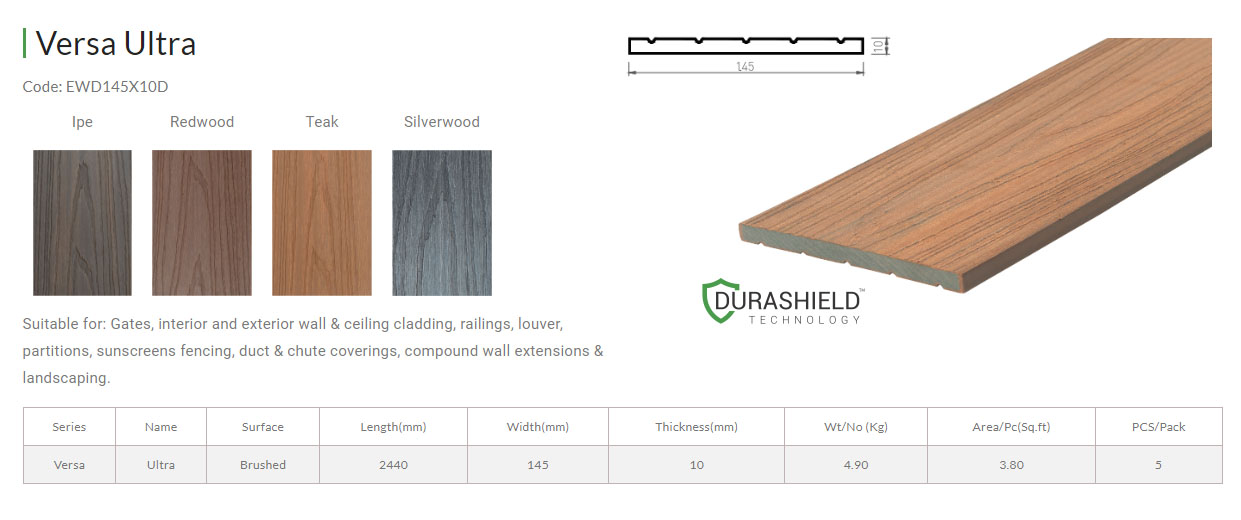
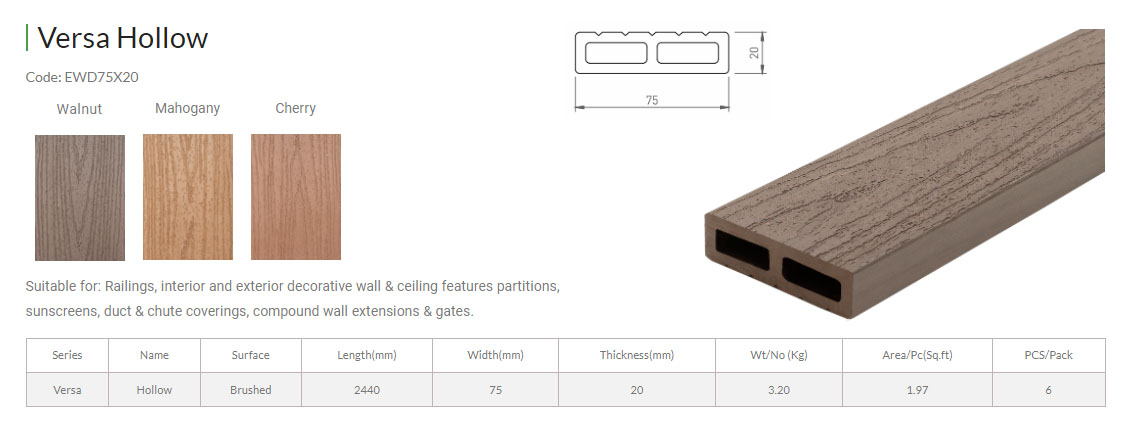
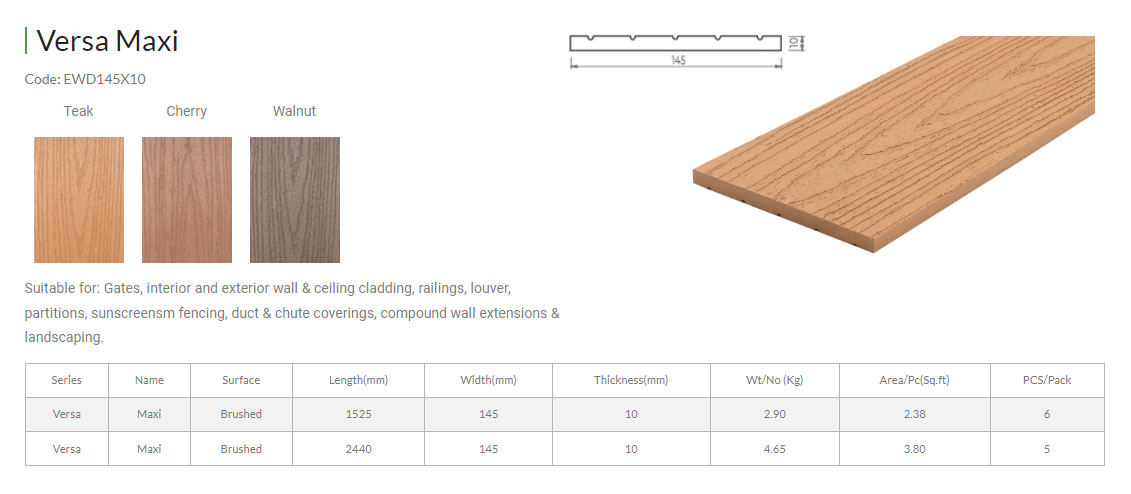
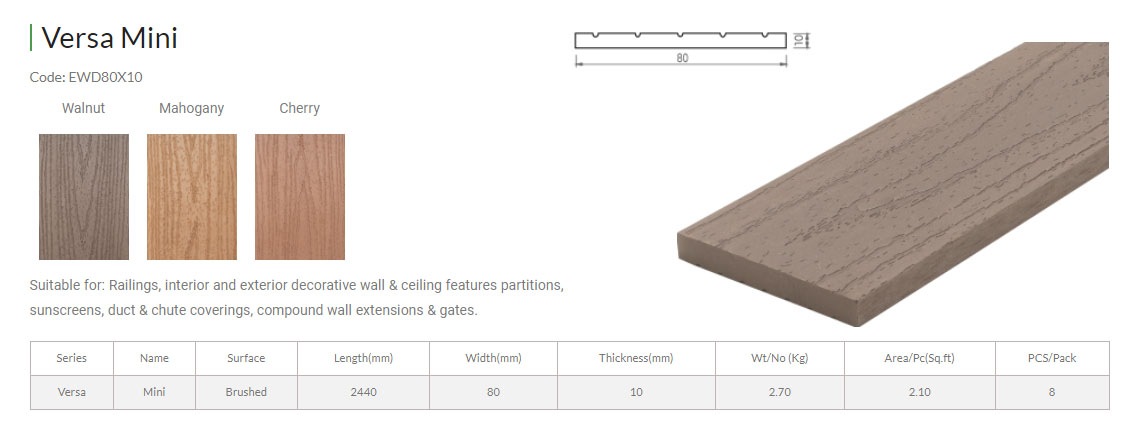
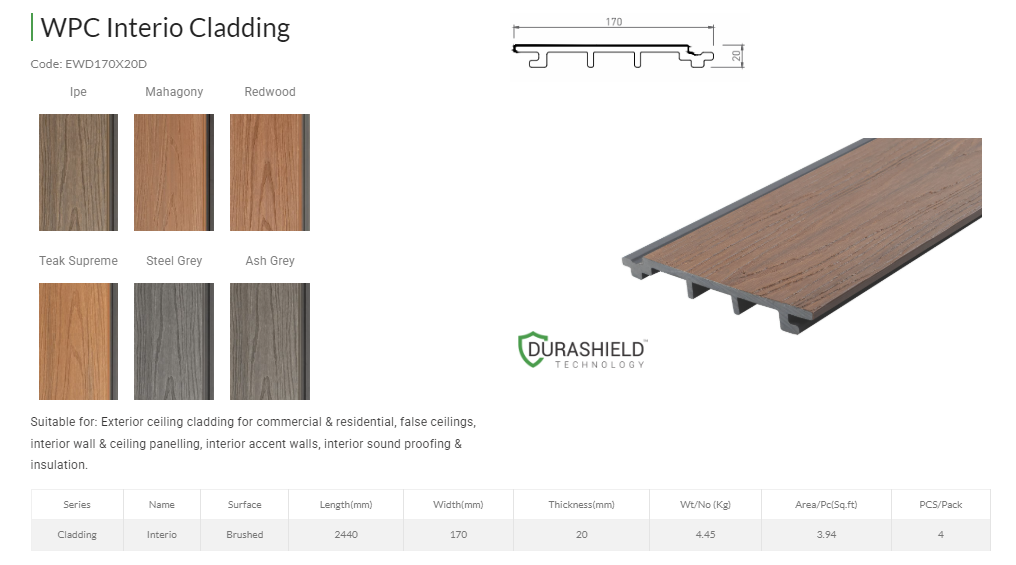
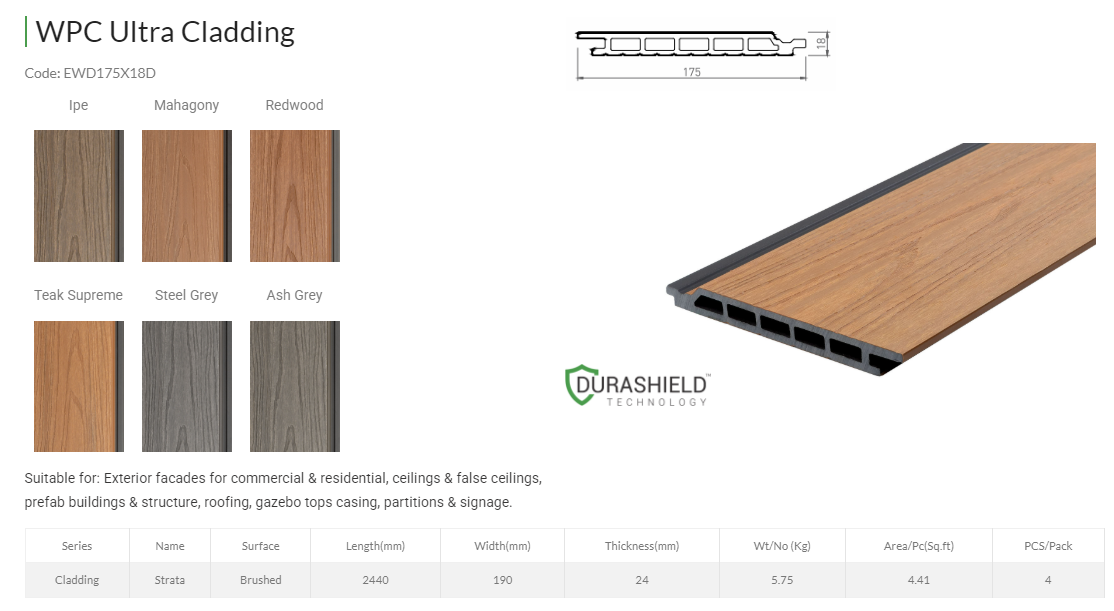
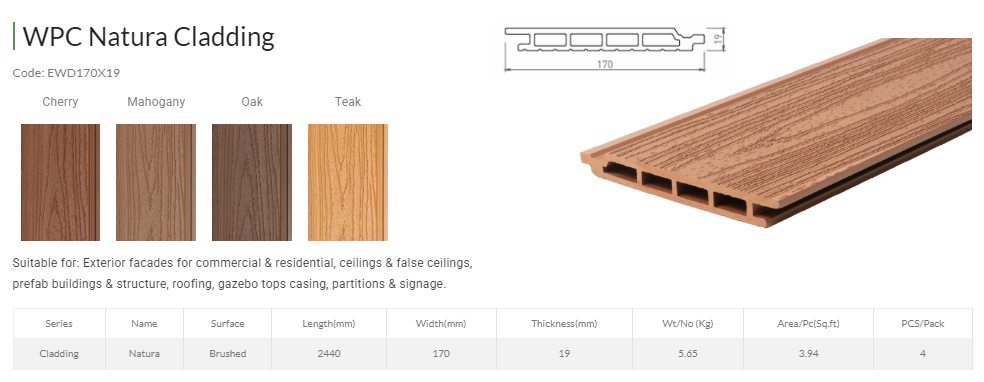
Flat WPC cladding profiles are characterised by clean, uniform surfaces with minimal visual interruption. This simplicity allows the material to act as a calm background rather than a focal element.
Where Flat Profiles Work Best
Flat cladding profiles are well-suited for:
- Large facade surfaces where visual continuity is important
- Contemporary and minimalist architectural styles
- Commercial buildings that require a restrained, professional appearance
The flat surface reflects light evenly, helping facades appear structured and balanced. This makes flat WPC cladding a preferred choice when the design intent prioritises simplicity and clarity.
Understanding Fluted WPC Cladding Profiles
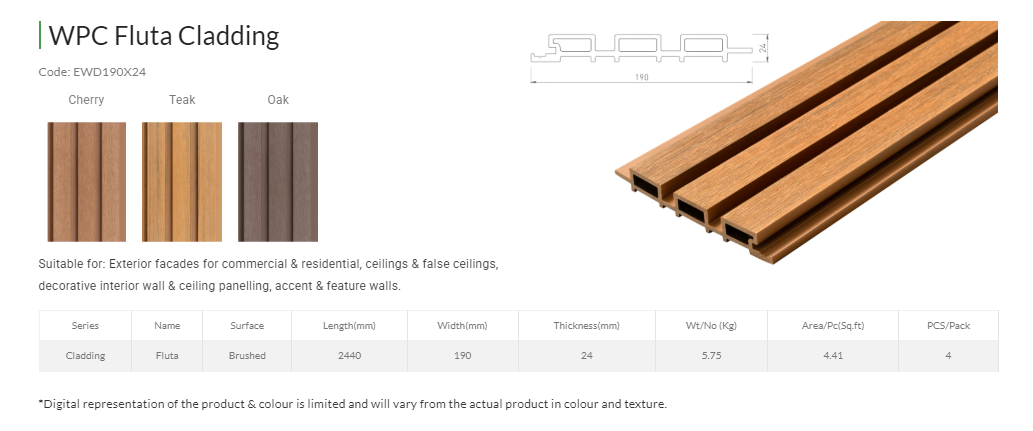
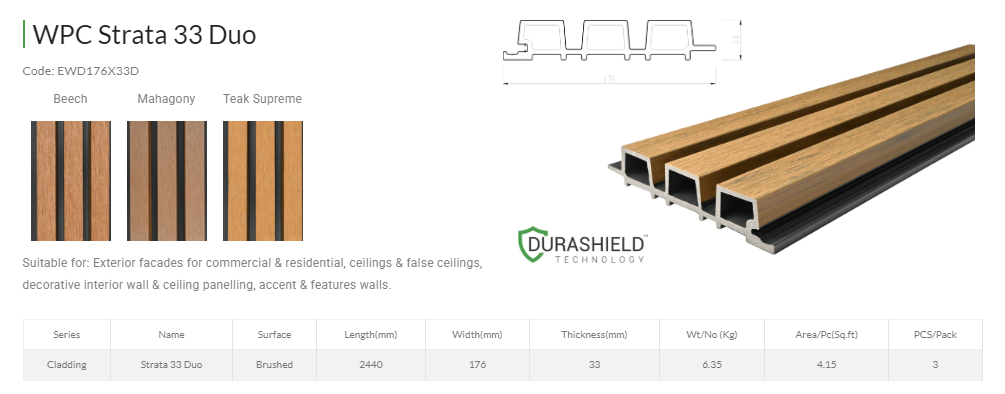
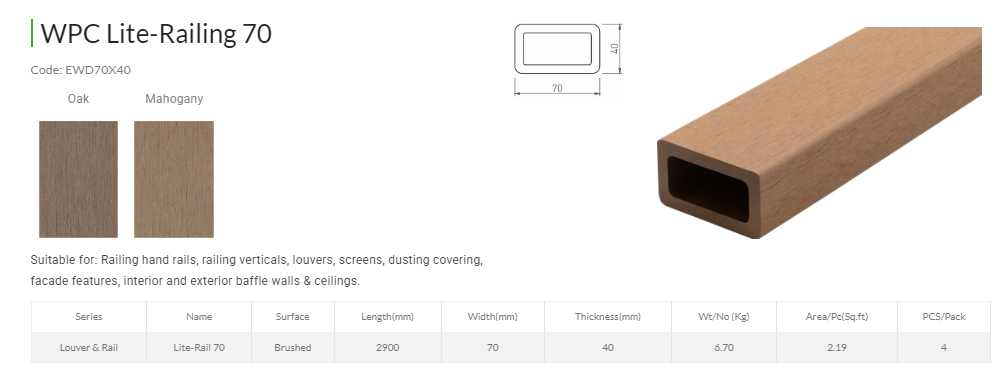
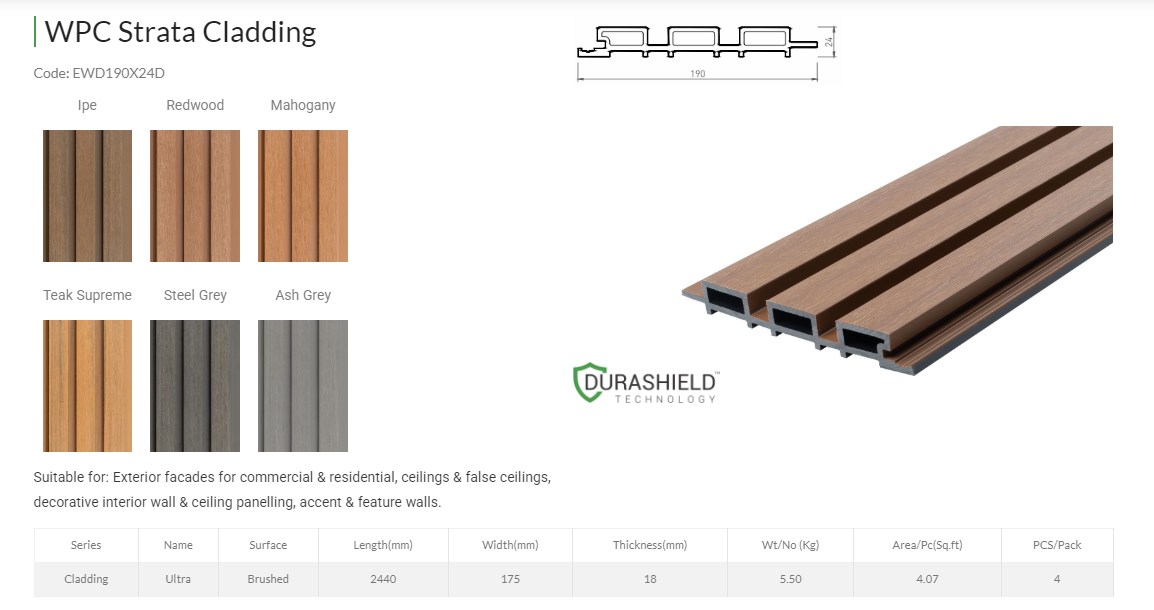
Fluted WPC cladding features linear grooves or ribs that introduce depth and rhythm to a facade. These profiles interact more dynamically with light and shadow, creating visual interest throughout the day.
Where Fluted Profiles Excel
Fluted cladding profiles are commonly used for:
- Feature walls and accent facades
- Residential projects seeking visual texture
- Architectural designs that emphasise vertical or horizontal lines
The grooves help break monotony on large surfaces and add a sense of movement, making fluted profiles ideal when the facade itself is meant to stand out.
Visual Impact: Subtlety vs Expression
The choice between fluted and flat profiles often comes down to the desired visual impact.
- Flat profiles support subtle, understated designs and work well as background surfaces.
- Fluted profiles introduce expression and detail, making them suitable for statement elements.
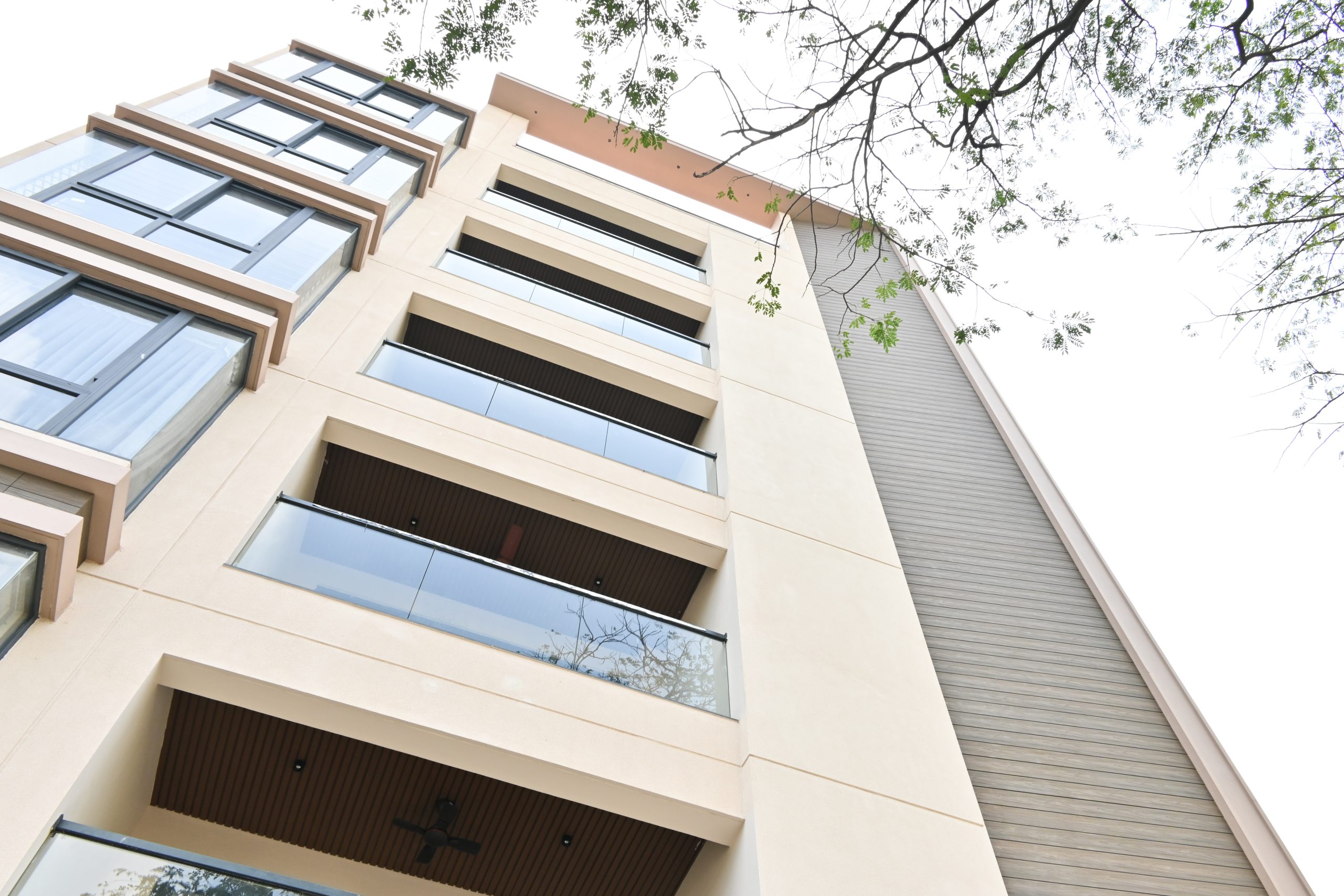
In many projects, architects use both profiles strategically—flat cladding for primary surfaces and fluted cladding for highlights or transition zones.
Performance Considerations in Exterior Applications
From a performance standpoint, both fluted and flat WPC cladding profiles are designed to withstand exterior conditions. Their resistance to moisture, UV exposure, and weathering makes them suitable for Indian climates.
However, profile selection can influence:
- How shadows and dust appear on the surface
- Visual perception of scale and proportion
- Maintenance visibility over time
Fluted profiles may visually mask minor surface dust due to their texture, while flat profiles offer easier visual inspection and a cleaner appearance.
Choosing the Right Profile for Your Facade Design
There is no universally “better” profile—only a more suitable one for a specific design context.
Flat WPC Cladding Is Ideal When:
- The architecture is minimalist or modern
- Large facade areas need visual calm
- The focus is on form rather than texture
Fluted WPC Cladding Is Ideal When:
- The facade requires depth and articulation
- Feature walls or highlights are desired
- The design benefits from light-and-shadow effects
Understanding the building’s scale, orientation, and design intent helps determine the most effective profile choice.
Combining Profiles for Balanced Design
Many contemporary projects successfully combine flat and fluted WPC cladding profiles. This approach allows designers to maintain overall harmony while introducing selective emphasis.
For example:
- Flat cladding for primary wall planes
- Fluted cladding for entrances, balconies, or vertical cores
This layered strategy enhances visual interest without overwhelming the facade.
Conclusion
Fluted and flat WPC cladding profiles each serve distinct architectural purposes. Flat profiles offer restraint and continuity, while fluted profiles add texture and expression.
Selecting the right profile—or a combination of both—depends on design intent, facade scale, and the desired visual experience. When chosen thoughtfully, WPC cladding profiles contribute not only to durability but also to architectural clarity and long-term aesthetic value.
To explore how different WPC cladding profiles are applied across exterior designs, view:
https://everwoodwpc.com/wpc-applications/wall-and-ceiling-cladding/
FAQ on flat and fluted WPC Cladding
-
What is flat WPC cladding?
Flat WPC cladding features smooth, uniform surfaces with minimal visual texture. It is commonly used in contemporary and minimalist facades where clean lines and visual continuity are important.
-
What is fluted WPC cladding?
Fluted WPC cladding has linear grooves or ribs that create depth and texture. This profile enhances light-and-shadow effects and is often used for feature walls and expressive facade elements.
-
Which WPC cladding profile is better for exterior facades?
Both profiles perform well in exterior conditions. The choice depends on design intent—flat profiles suit subtle, minimal designs, while fluted profiles are better for creating visual emphasis and architectural rhythm.
-
Can flat and fluted WPC cladding be combined in one project?
Yes. Many facade designs combine flat and fluted profiles to balance simplicity with visual interest. Flat cladding is often used for large surfaces, while fluted profiles highlight specific architectural elements.
-
Does the cladding profile affect maintenance?
Maintenance requirements are similar for both profiles. However, fluted profiles may visually mask minor dust due to their texture, while flat profiles offer a cleaner, uninterrupted appearance.