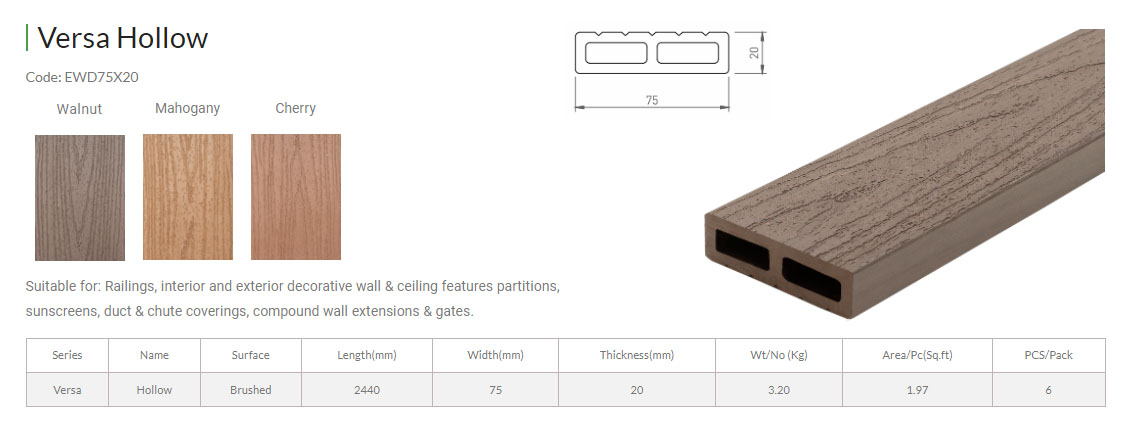
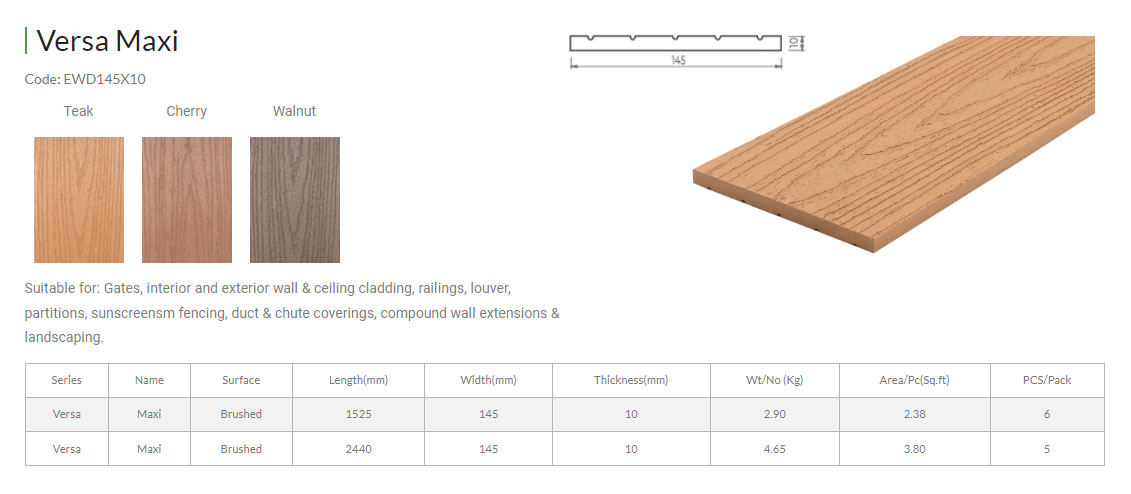
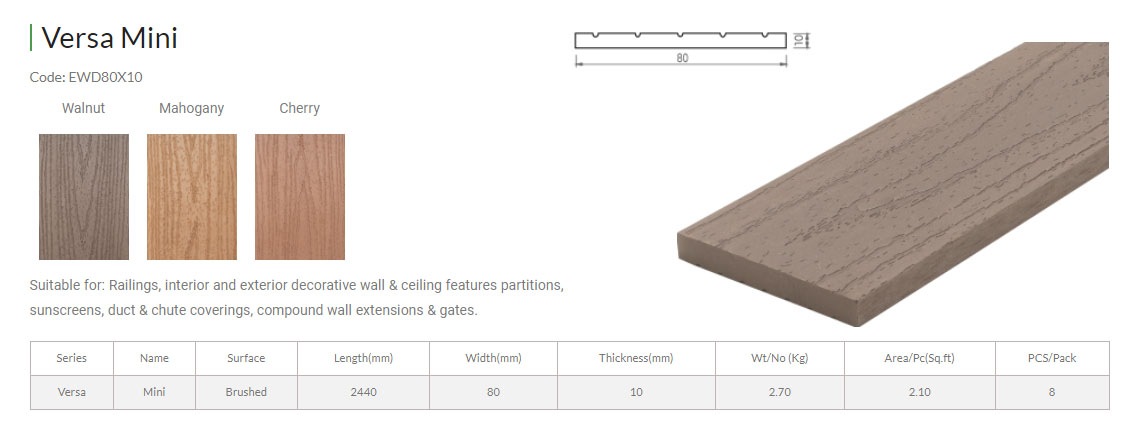
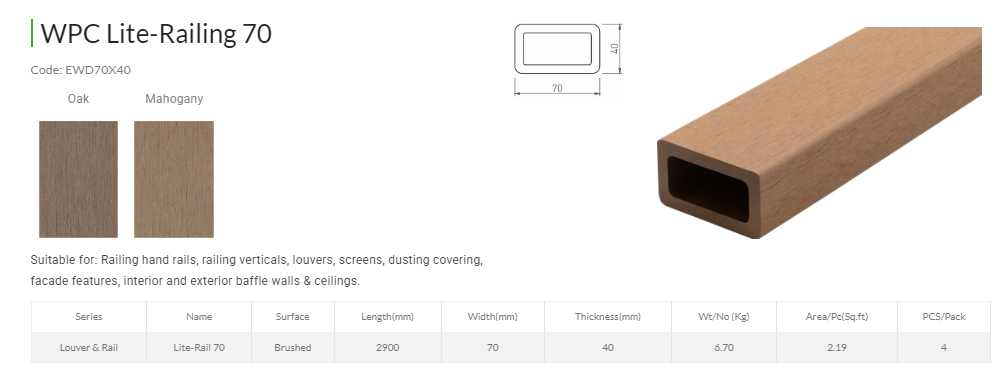
Building in Kerala means confronting a unique set of environmental challenges. The state’s beautiful coastal climate, with its relentless humidity, heavy monsoons, salt-laden sea air, and intense sun, demands materials that can endure. Traditional options like wood and metal often fail, succumbing to rot, corrosion, and warping, which leads to costly and constant maintenance.
In this demanding environment, Wood Plastic Composite (WPC) profiles and systems are emerging as the premier choice for architects, builders, and homeowners. Engineered for resilience, WPC offers a sustainable, low-maintenance, and aesthetically pleasing alternative perfect for Kerala’s tropical conditions
Key Advantages of WPC in Kerala’s Coastal Climate
1. Superior Weather Resistance
WPC is engineered to remain stable and durable in Kerala’s tropical climate. It is UV-stable and will not fade, crack, warp, or rot, even under heavy monsoon rain and intense sun exposure for over 15 years.
2. Excellent Salt Air and Moisture Protection
The non-corrosive composition of WPC makes it ideal for coastal areas where salty air accelerates metal corrosion and wood deterioration. It resists rain, dampness, and humidity, preventing swelling and mold growth.
3. Termite and Pest Resistant
Unlike natural wood, WPC has no organic components that attract termites or other wood-boring insects, providing long-term protection without the need for chemical treatments.
4. Low Maintenance and Cost-Effective
WPC requires no periodic painting, sealing, or varnishing. A simple wash with water keeps surfaces clean and vibrant, significantly lowering maintenance costs and efforts over a building’s lifetime.
5. Durable and Easy to Install
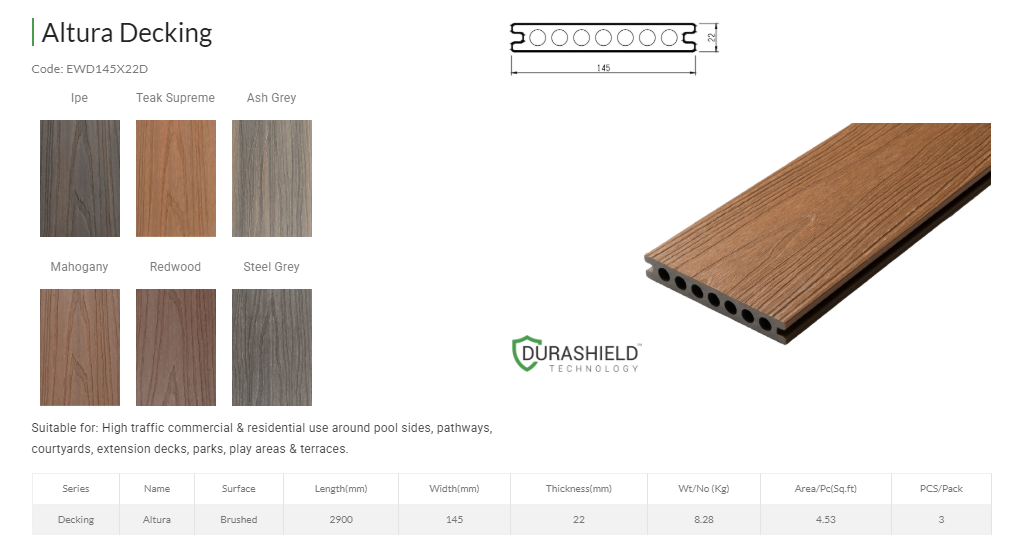
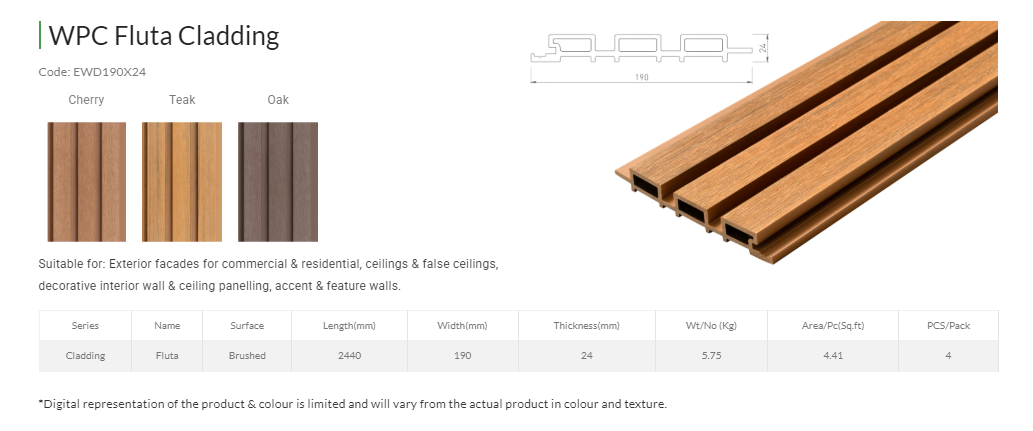
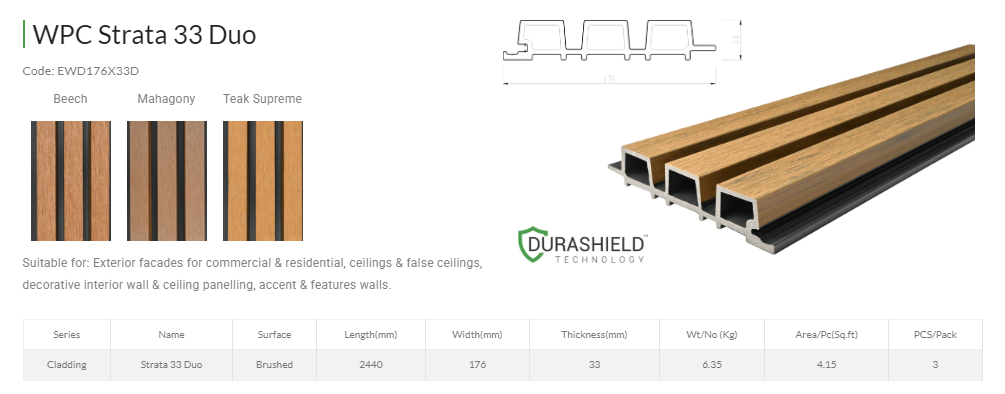
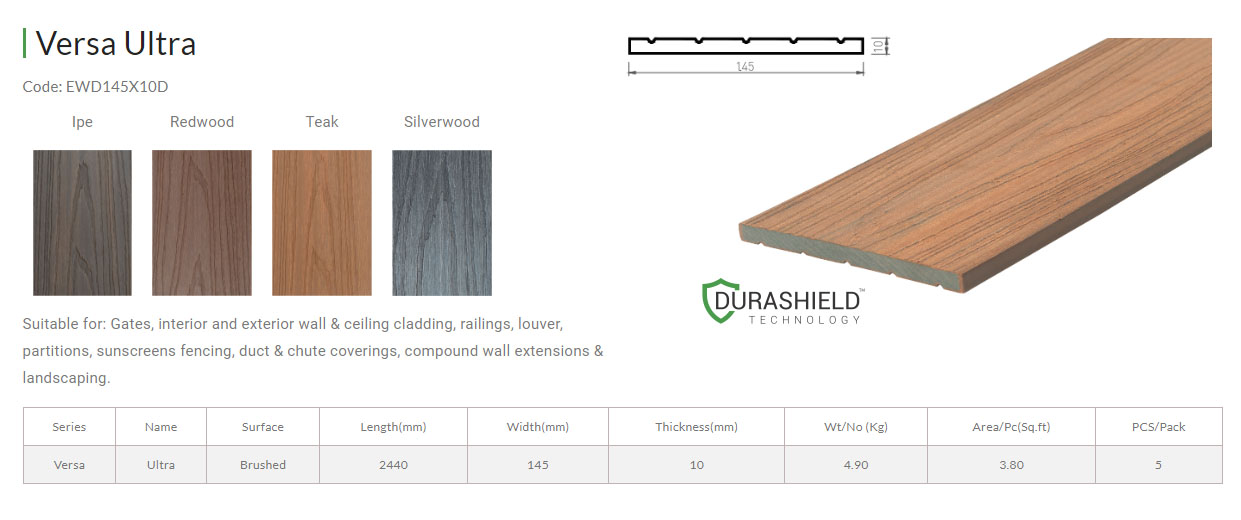
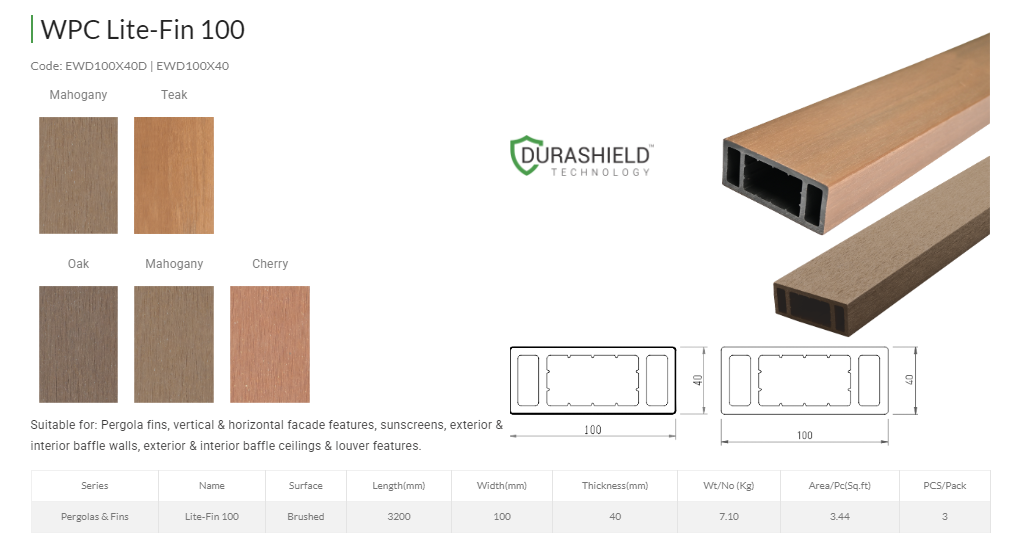
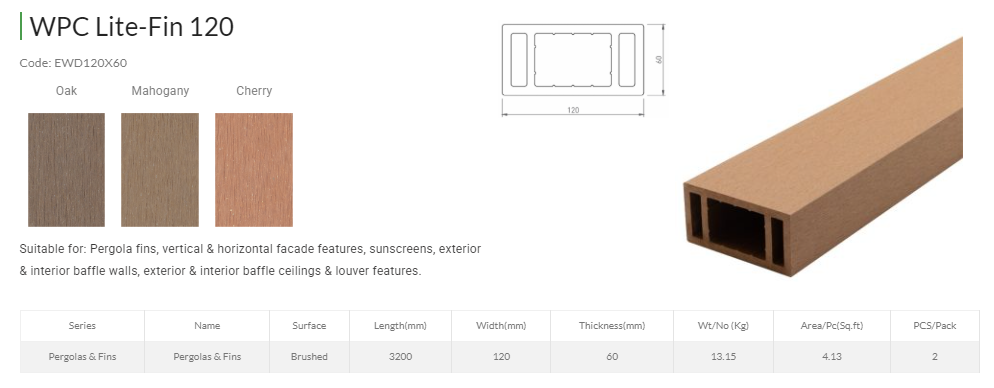
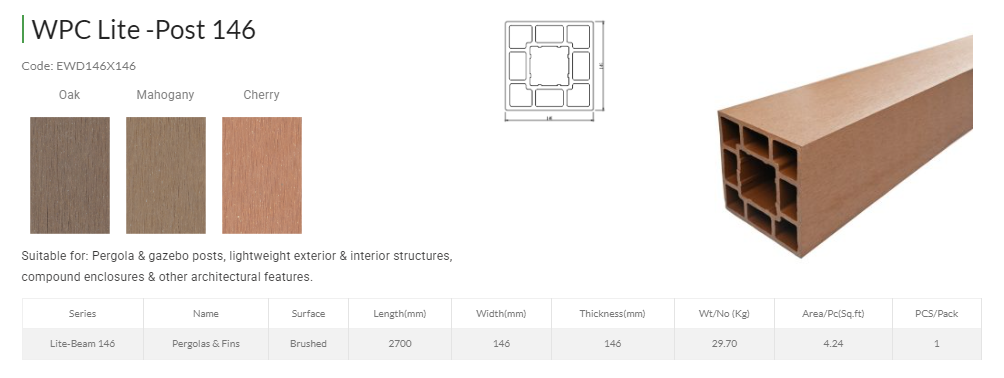
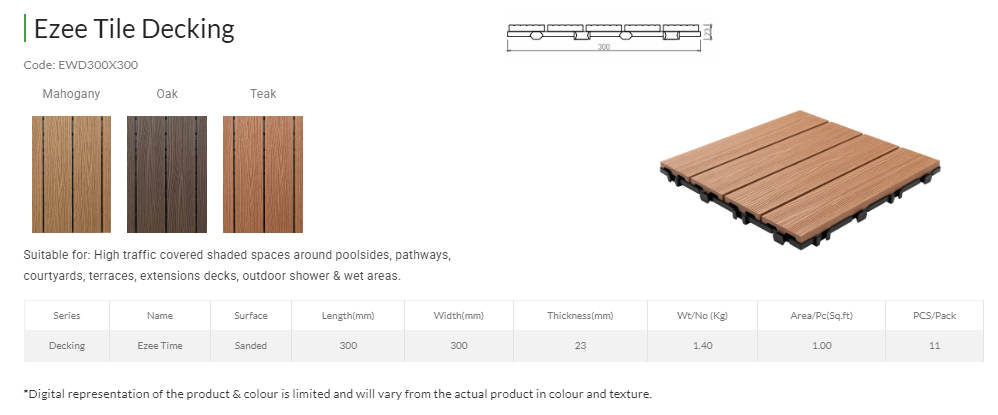
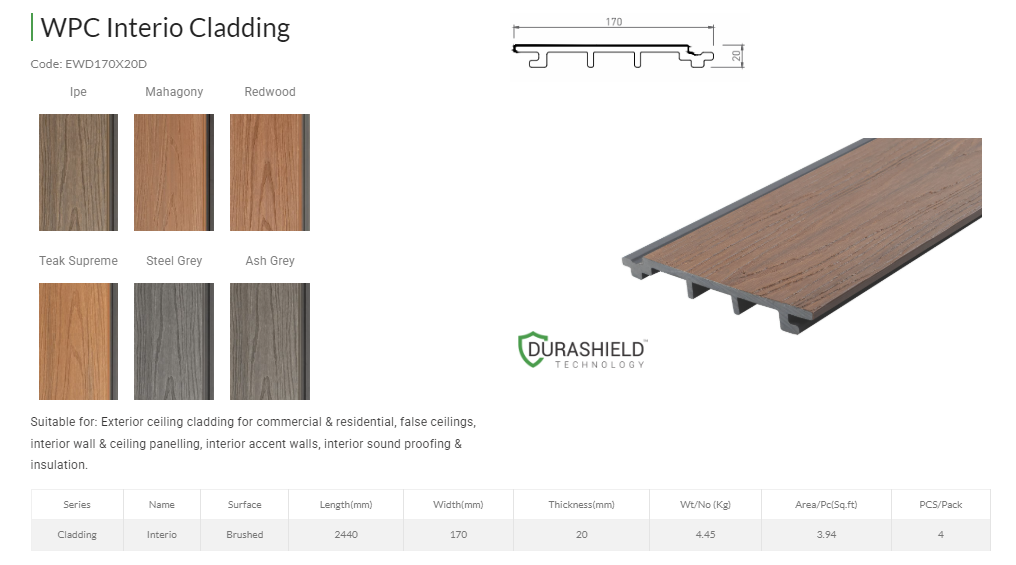
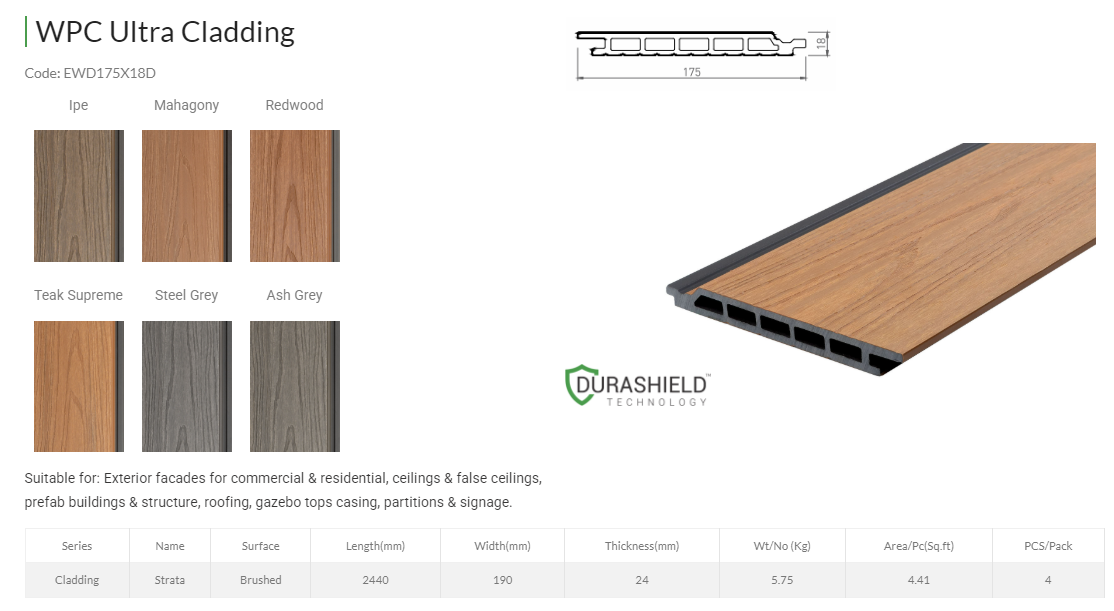
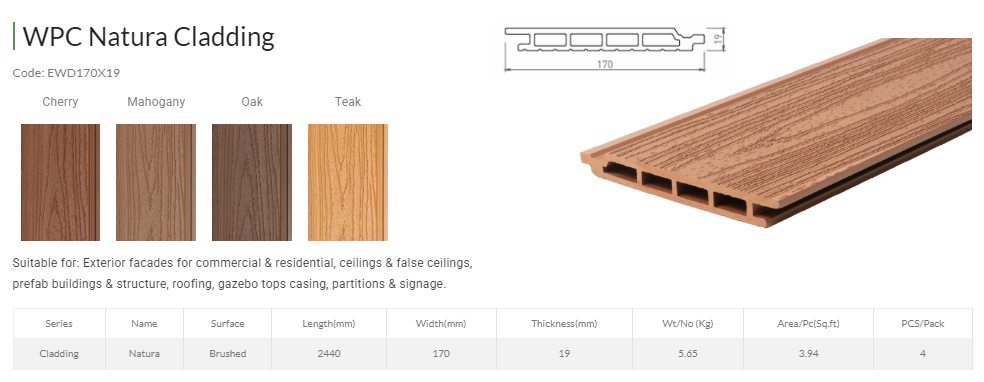
Lightweight yet strong, WPC products speed up installation timelines and reduce project delays. They are available in many finishes and sizes for cladding, and decking,
Eco-Friendly, Sustainable Option
Made partially from recycled materials, WPC reduces dependence on natural wood, thus supporting environmental sustainability in the construction industry.
Practical Applications in Kerala
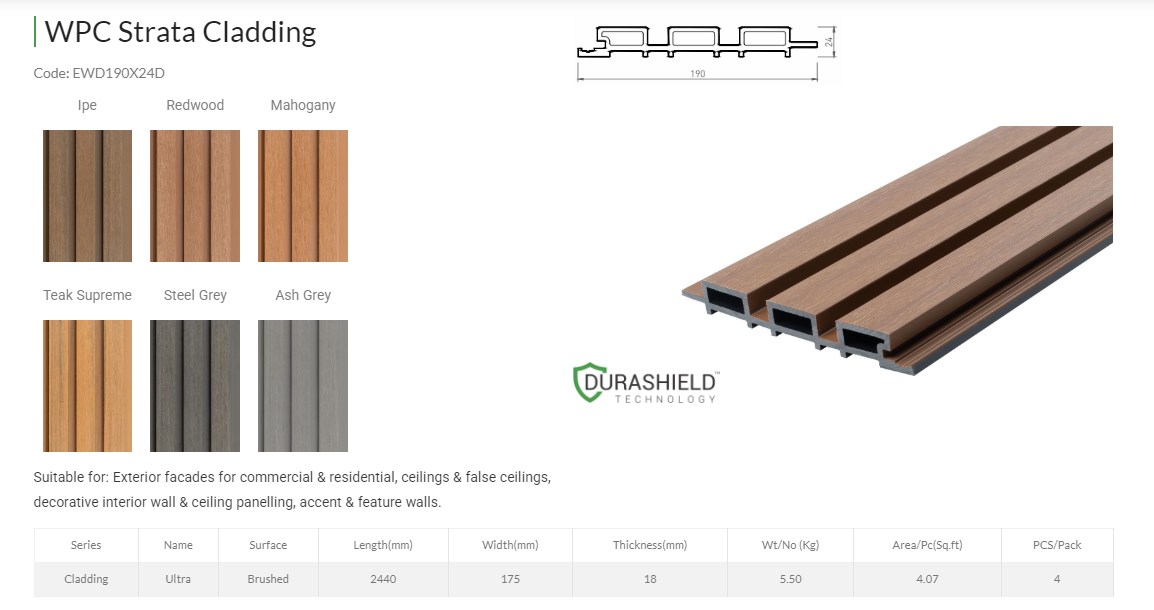
- Exterior Facades, Cladding & Fins: Safeguard buildings from moisture, heat, and salt damage while elevating architectural appeal.
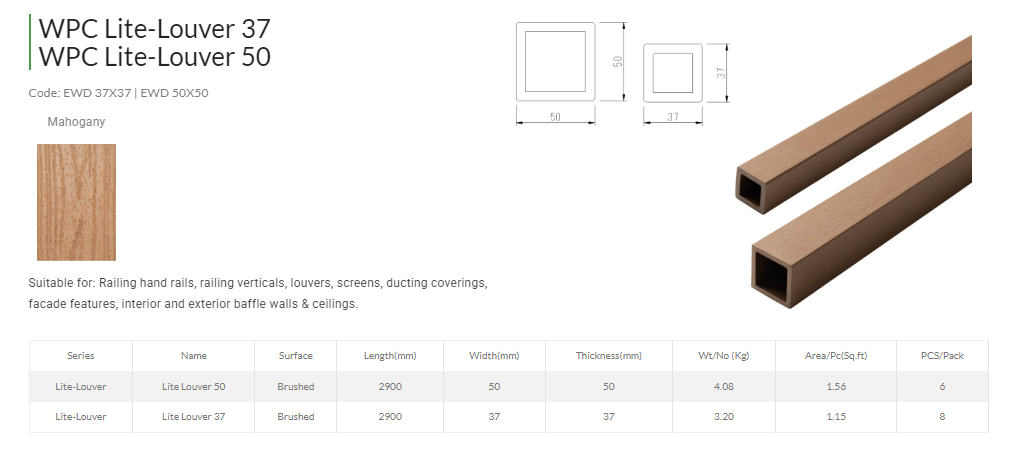
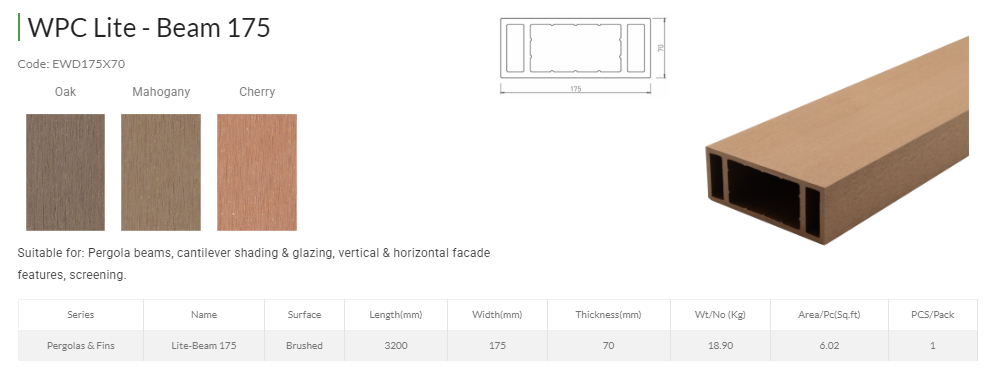
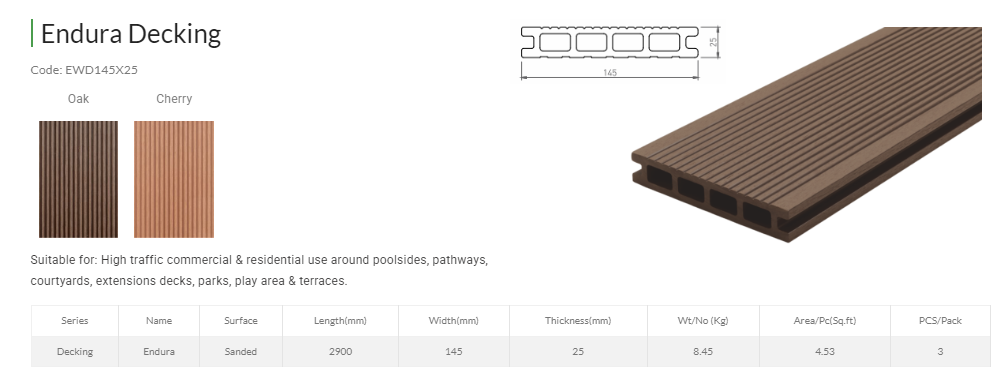
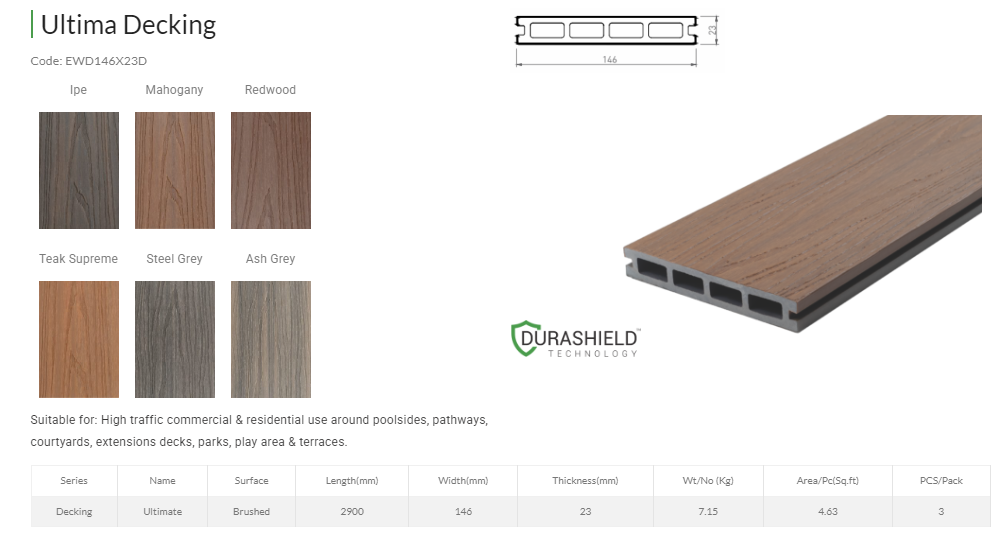
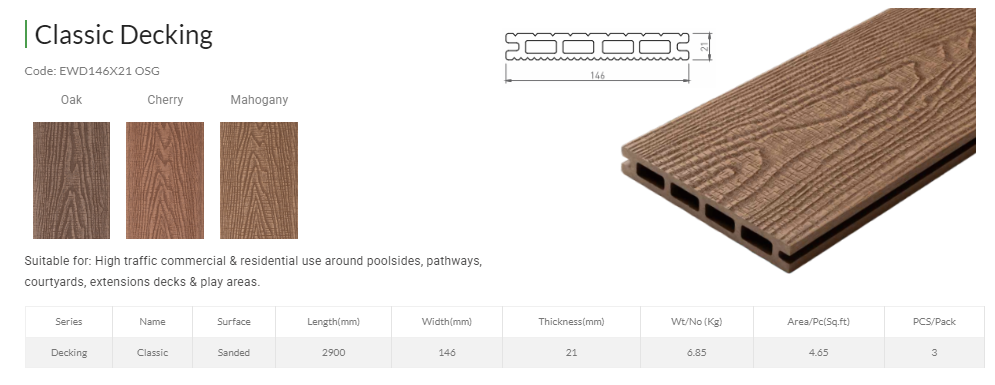
- Decking, Pergolas & Louvers: Create durable, slip-resistant and barefoot-safe floors and elegant shade structures that blend strength with style.
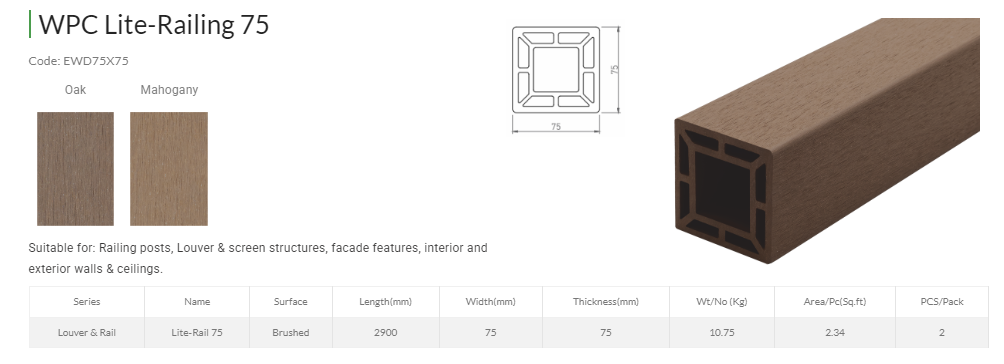
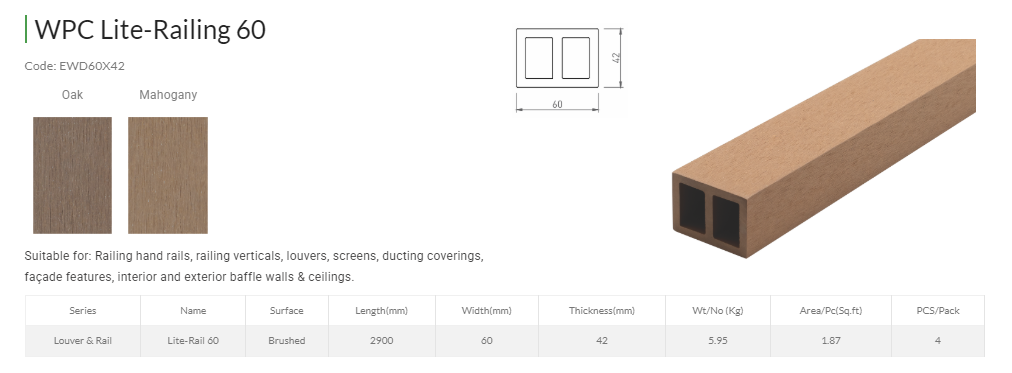
- Railings & Planks: Enhance safety and design versatility with long-lasting, low-maintenance solutions for multiple exterior applications.
About Everwood Composites
Everwood has proudly supplied and installed premium composite solutions in over 3,000 projects across India, solidifying its position as a leading WPC brand. Their unwavering mission is to revolutionize the building materials industry by setting new benchmarks in innovation, durability, and customer-focused service.
Trusted by architects, developers, and homeowners, Everwood is renowned for “No Compromise” philosophy. This commitment drives the team to deliver an extensive range of high-performance WPC decking, cladding, pergolas, and façade solutions engineered to surpass expectations. Everwood leverages cutting-edge technology to create materials that offer unmatched weather resistance and aesthetic excellence, ensuring every Everwood installation delivers long-lasting value and satisfaction.
Frequently Asked Questions (FAQs)
WPC is 100% waterproof and designed to withstand heavy rainfall and high humidity without swelling, cracking, or rotting. It maintains its structural integrity and appearance despite monsoon conditions and year-round humidity.
Yes. WPC contains no organic material that attracts termites or pests, making it naturally termite-resistant and free from the need for chemical treatments.
WPC products are engineered for long-lasting performance with a lifespan of 15+ years, retaining color, texture, and strength in coastal environmental conditions.
No. WPC requires minimal maintenance—just routine cleaning with water is sufficient. There is no need for painting, sealing, or varnishing, significantly reducing upkeep costs.
Absolutely. WPC is versatile and suitable for exterior facades, claddings, decking, fins, louvers, railings, and planks for Kerala’s climate.
Yes. WPC is made partly from recycled wood fibers and plastics, reducing reliance on natural timber and minimizing environmental impact.
Though initial investment may be higher, the zero maintenance and durability of WPC make it more cost-effective over the project lifecycle compared to traditional wood requiring frequent repairs and treatments.
Choosing WPC products in Kerala ensures projects withstand the rigors of the coast while delivering enduring beauty, safety, and sustainability.