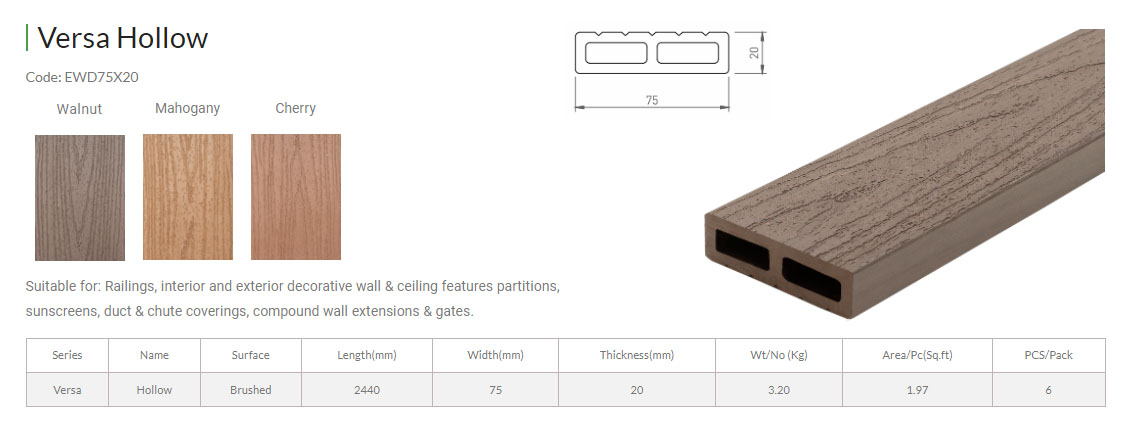
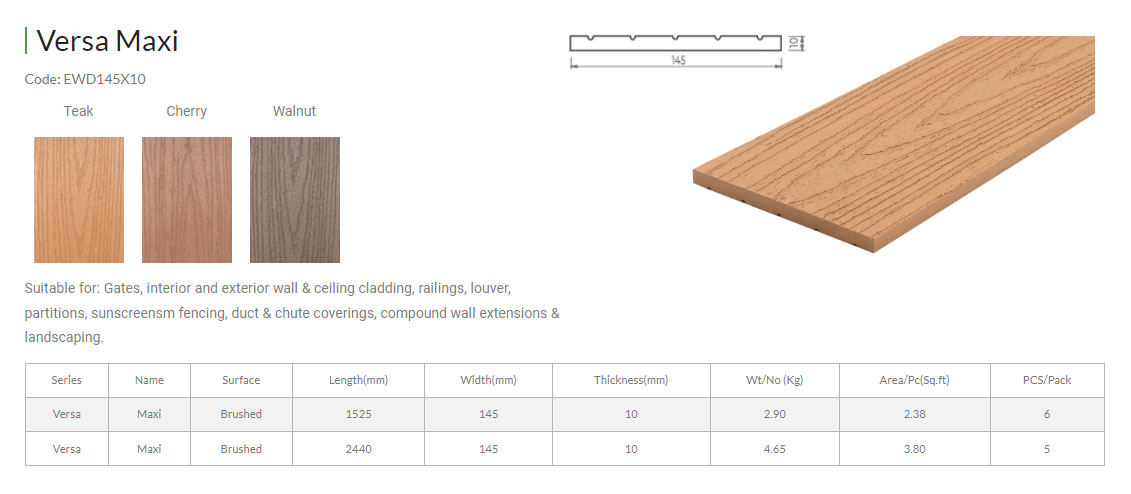
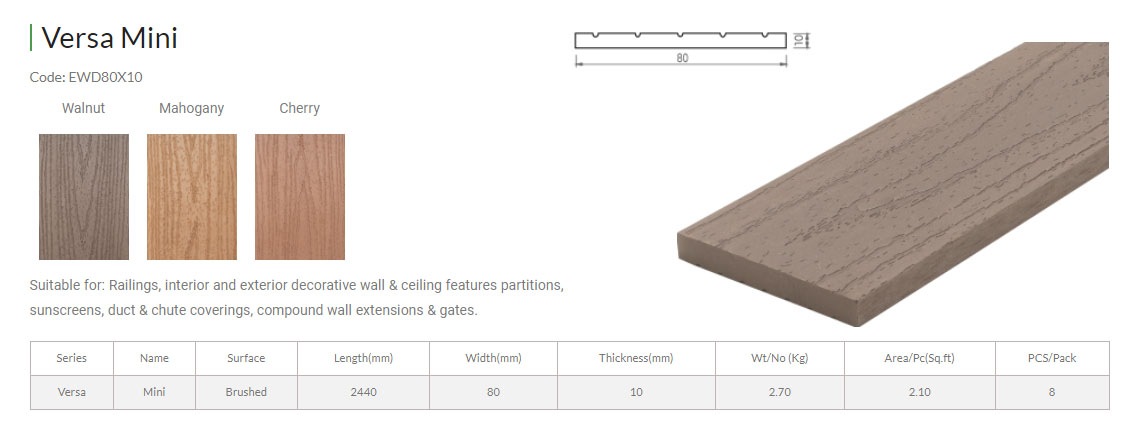
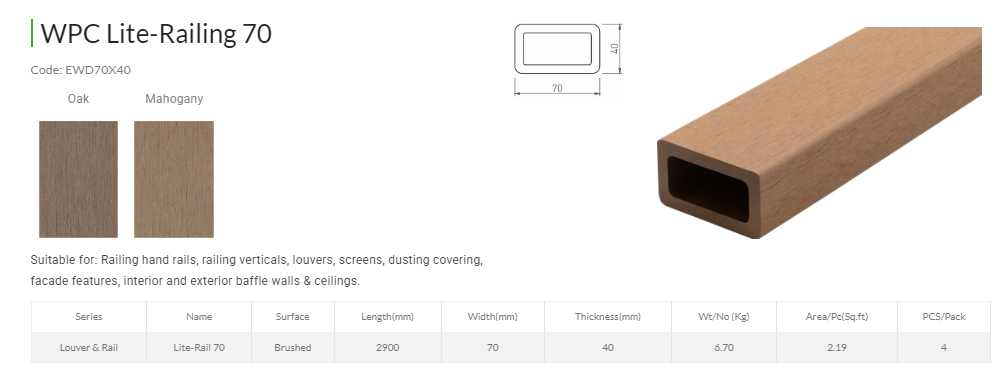
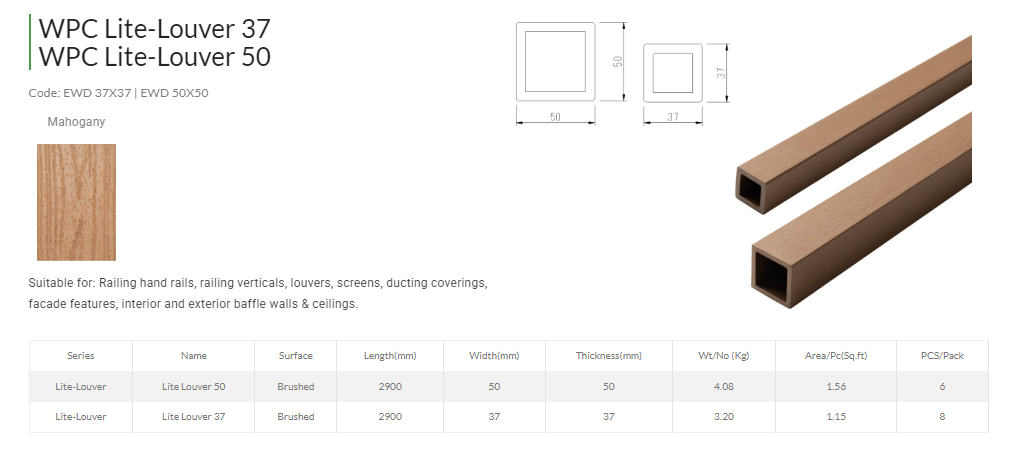
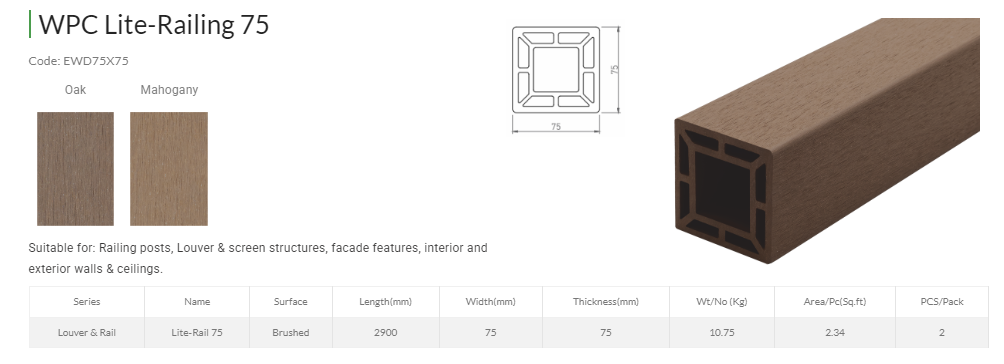
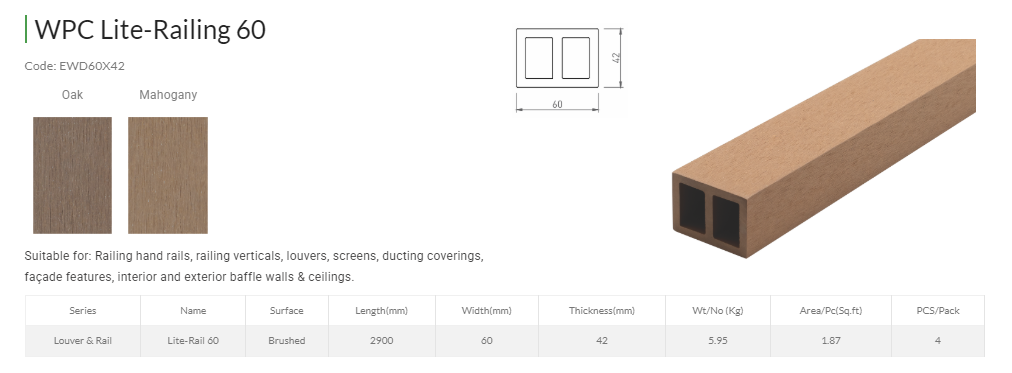
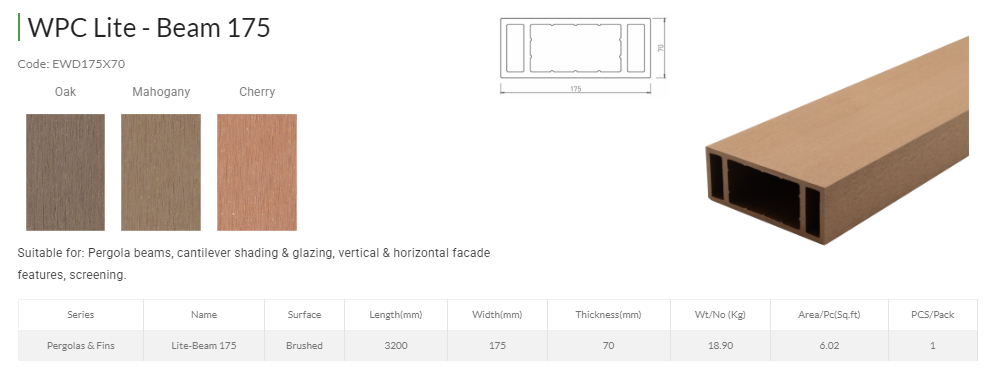
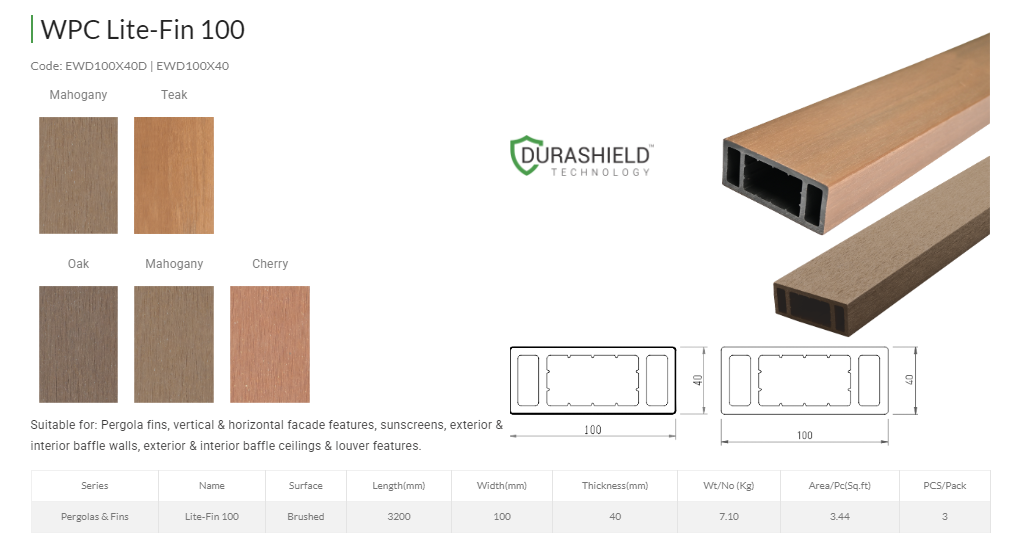
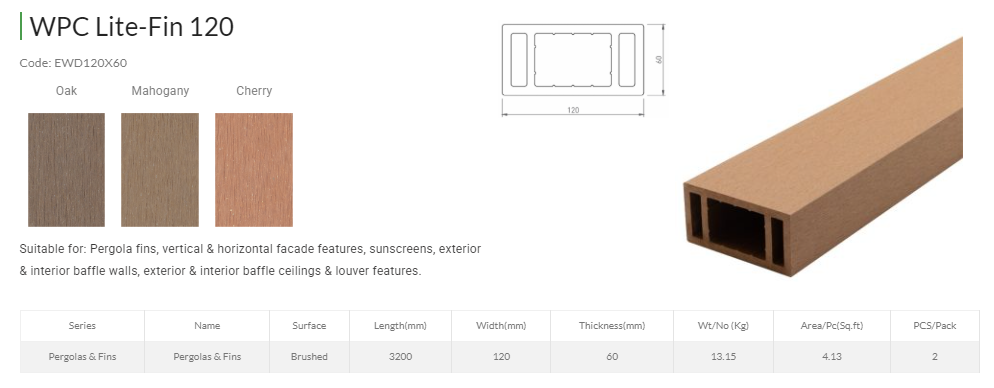
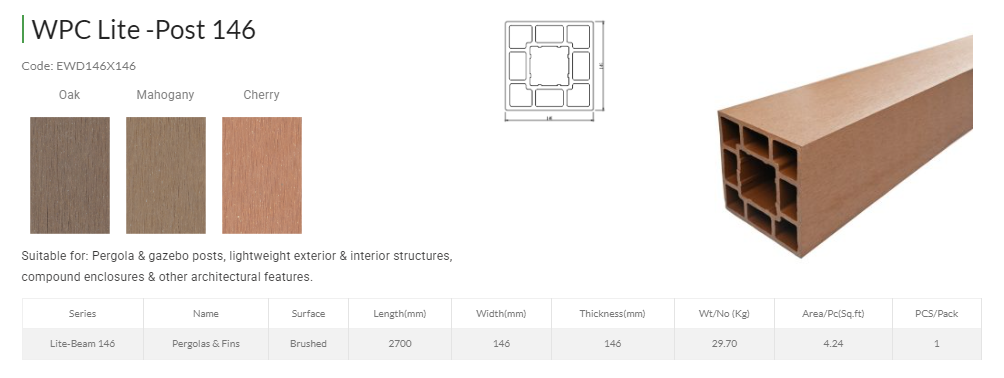
Louvers play a key role in building facade performance
Louvers are no longer just visual elements in facade design—they function as a first line of environmental control. By regulating how air and sunlight interact with the building surface, they help reduce direct heat exposure while maintaining airflow.
In modern facade systems, this balance between shading and ventilation plays a key role in improving indoor comfort without increasing dependence on mechanical cooling. For a broader view of facade applications, see how WPC is used in modern building facades.
WPC louvers support natural ventilation
WPC louvers are designed with calculated spacing that allows air to move freely through the structure. Instead of trapping heat near the facade, they enable continuous airflow, especially in semi-open areas like balconies and corridors.
This movement of air prevents heat buildup around walls and creates a more breathable exterior envelope. Their effectiveness becomes clearer when applied in the right zones.
WPC louvers reduce heat gain in buildings
One of the most important contributions of WPC louvers is their ability to control solar heat gain. Acting as a protective layer, they intercept direct sunlight before it reaches the building surface.
Their angled profiles diffuse harsh radiation, creating shaded zones that significantly reduce surface temperature. This directly impacts indoor comfort by lowering the amount of heat transferred inside. This principle aligns with heat-resistant facade strategies.
Louvers are important in climate-responsive architecture
Climate-responsive architecture focuses on reducing energy consumption by adapting to local environmental conditions. WPC louvers fit naturally into this approach by combining shading with ventilation.
They allow buildings to stay cooler without blocking airflow, which supports passive cooling strategies. This becomes especially relevant in regions with prolonged heat exposure. You can explore broader design trends here.
WPC louvers Vs solid facade elements
Unlike solid facade materials, which often trap heat by restricting airflow, louvers create a more dynamic response to external conditions. They strike a balance—blocking direct sunlight while still allowing air circulation.
This makes transitional spaces more comfortable and reduces thermal stress on the building envelope. For a broader material comparison.
Where are WPC louvers most effective in a building?
Their impact is most noticeable in areas exposed to strong sunlight and requiring ventilation. West- and south-facing facades, balconies, terraces, and service areas benefit significantly from their installation.
In these locations, louvers reduce heat exposure while maintaining airflow, improving both usability and comfort. They also work well alongside cladding systems.
WPC louvers support long-term facade performance
By shielding the building surface from direct sunlight and reducing heat accumulation, WPC louvers indirectly enhance the longevity of the facade. Lower thermal stress means less expansion, fading, and surface wear over time.
This makes them not just a design element, but a performance layer that supports long-term durability.
Conclusion
WPC louvers bring together ventilation, shading, and durability into a single facade solution. Their ability to reduce heat gain while maintaining airflow makes them a practical choice for climate-responsive architecture, especially in regions with intense sunlight.