Introduction
India’s Smart Cities Mission is reshaping the way our urban centres are planned, designed and built — with a strong push toward sustainability, aesthetics, durability, and low maintenance. In South India, cities such as Bengaluru, Chennai and Coimbatore are especially seeing heightened demand for modern infrastructure that aligns with ecological and design sensibilities.
EverwoodWPC, with its portfolio of projects across residential luxury, commercial, public spaces and façade treatments, is contributing substantially to urban transformation. In this article, we explore:
- Key growth in Smart City initiatives in South India
- How Wood-Plastic Composite (WPC) products by Everwood are being used in recent work
- Ways architects & project developers can leverage WPC in smart urban development
The Smart Cities Mission is driving a massive transformation in urban infrastructure across India. As of March 2025, ~94% of over 8,000 Smart City projects have been completed, backed by an investment of ₹1.64 lakh crore (PIB). Many cities are now moving into the operational stage, using Integrated Command & Control Centres for data-driven monitoring and management of civic amenities.
City-Level Momentum in South India
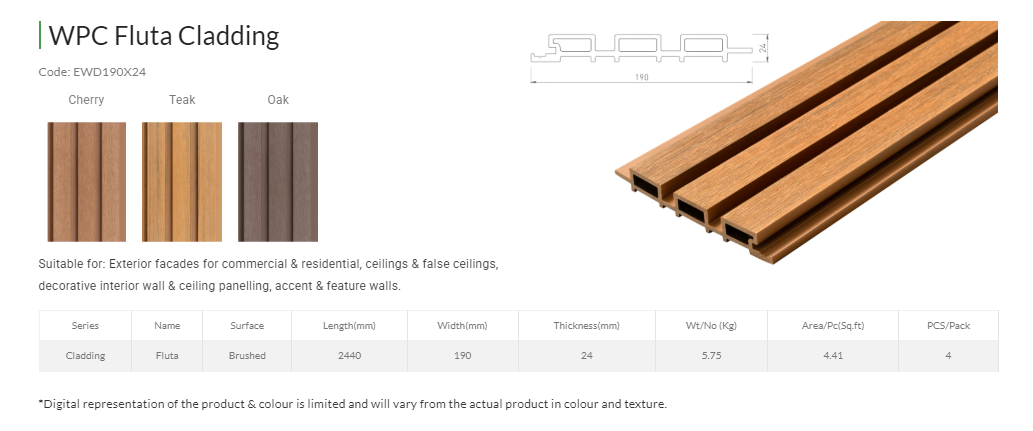
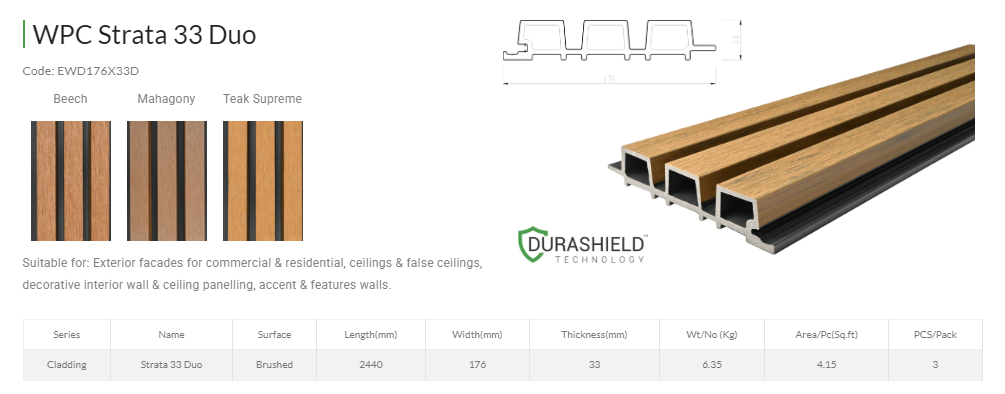
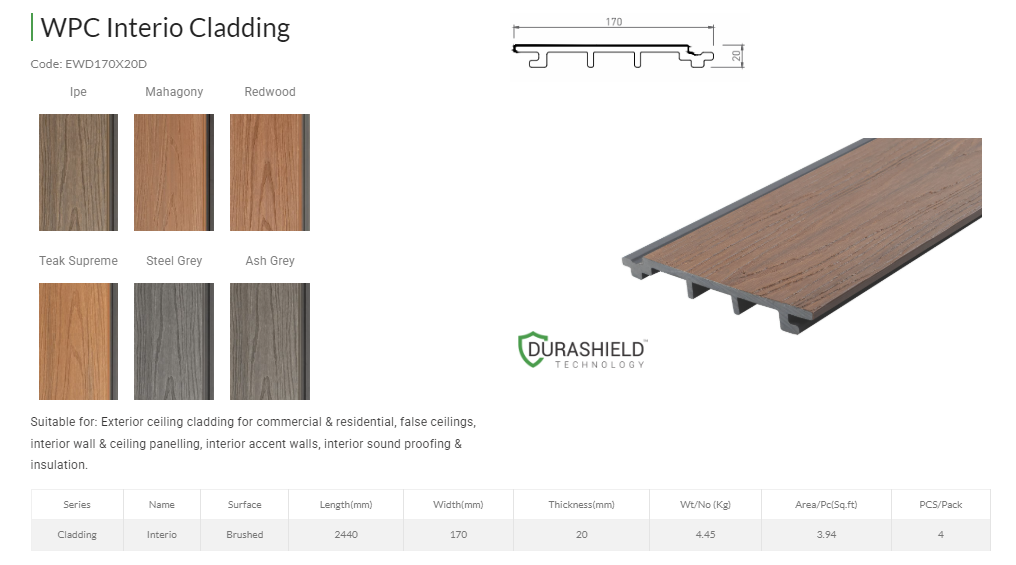
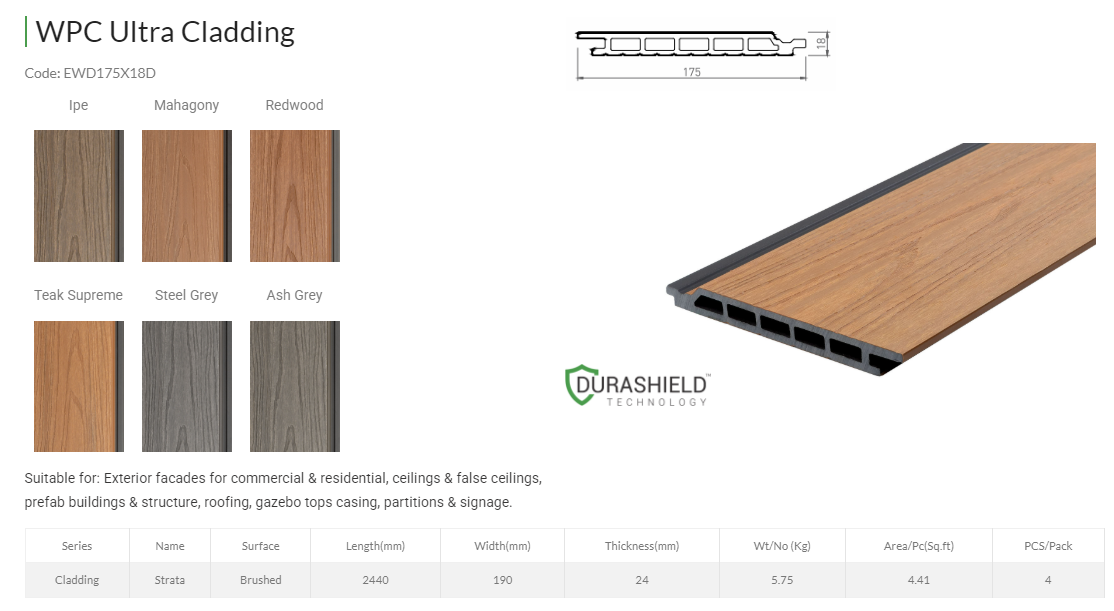
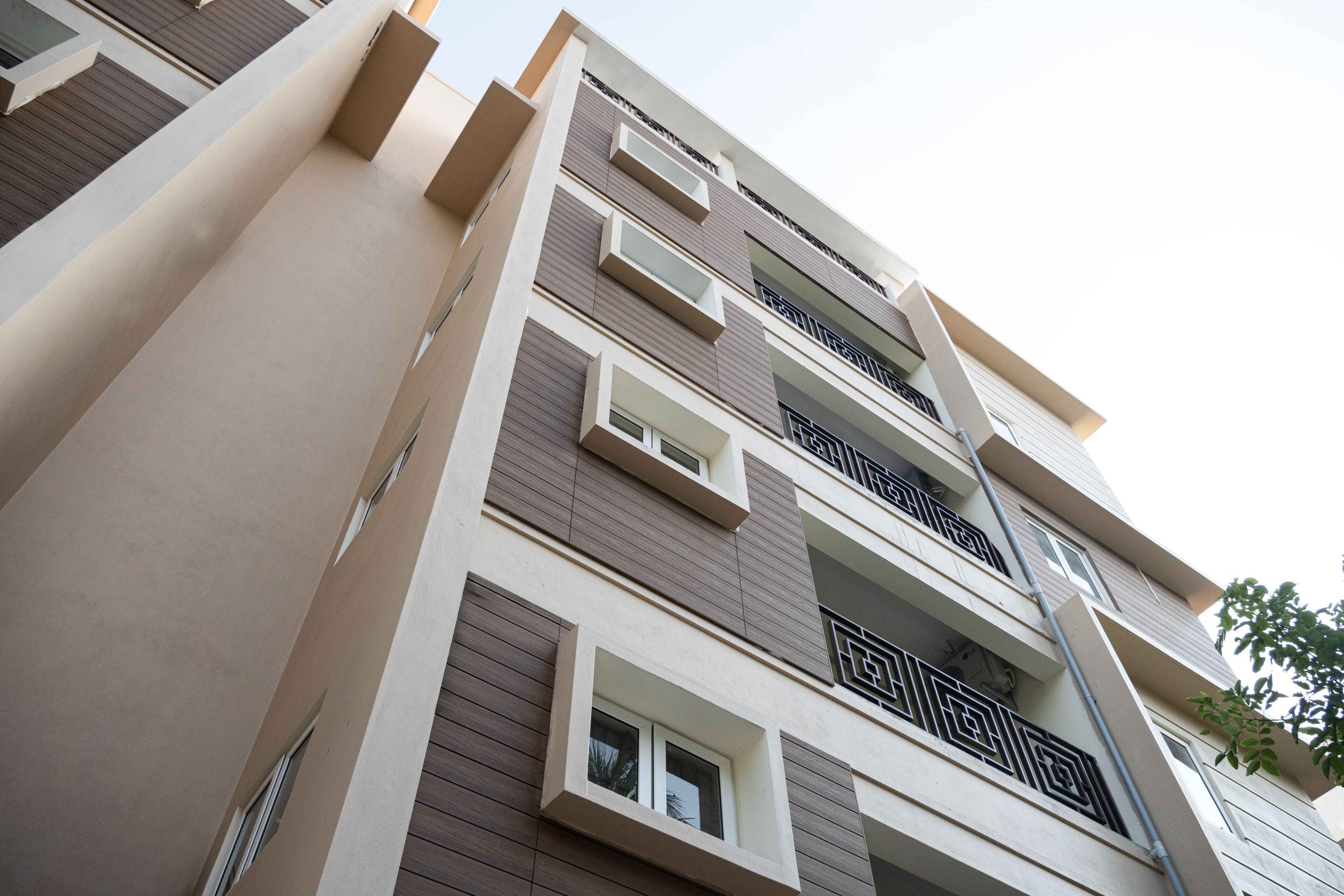
- Chennai continues to expand metro transit, hubs, and public spaces, while also modernizing façades and streetscapes. Here, WPC cladding and WPC façades offer architects low-maintenance, weather-resistant solutions ideal for humid, coastal conditions.
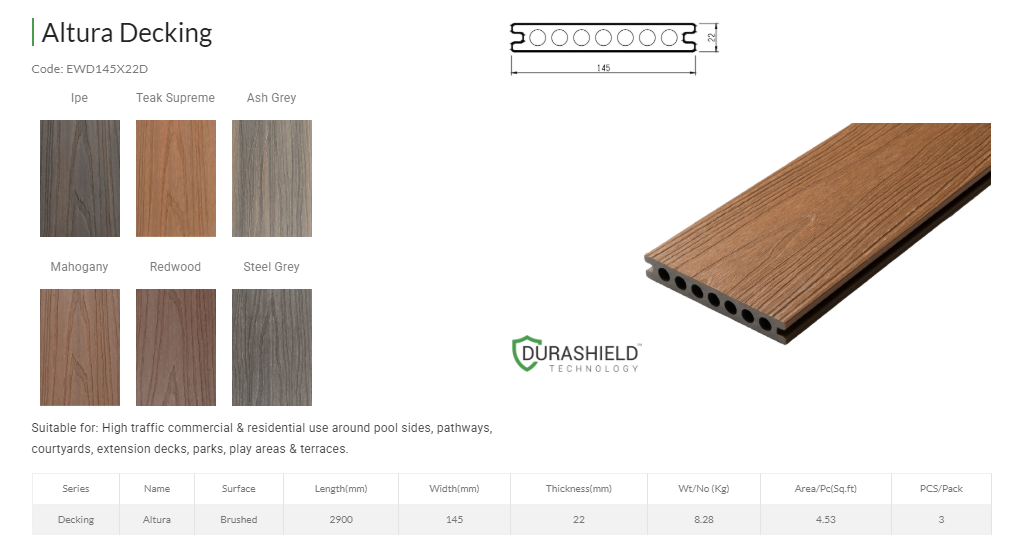
- Bengaluru is witnessing rapid growth in public furniture, smart bus shelters, and façade upgrades. With increasing demand for materials that combine performance and design, WPC outdoor furniture, WPC decking, and WPC louvers are becoming essential in Smart City urban design projects.
- Coimbatore, one of the cities selected under the Smart Cities Mission, is integrating green spaces, promenades, and premium residential/commercial projects that require durable exterior materials like WPC decking and pergolas. The city improved its cleanliness ranking from 35 to 28 in 2025 and is part of the Climate
EverwoodWPC: Recent Work & Project Examples
EverwoodWPC’s “Prominent Work” section highlights many successful deployments that illustrate how WPC is being used in real projects. Everwood WPC
Here are a few projects that stand out, with lessons for Smart City-oriented architecture and development:
Tata Starbucks – Bengaluru International Airport –
Requirement – Starbucks needed a façade material for their Bengaluru Airport outlet that delivered a wood-like aesthetic while being durable, fade-resistant, and distinct from typical cladding. The material also had to enhance novelty and help the outlet stand out among surrounding retail and hospitality counters.
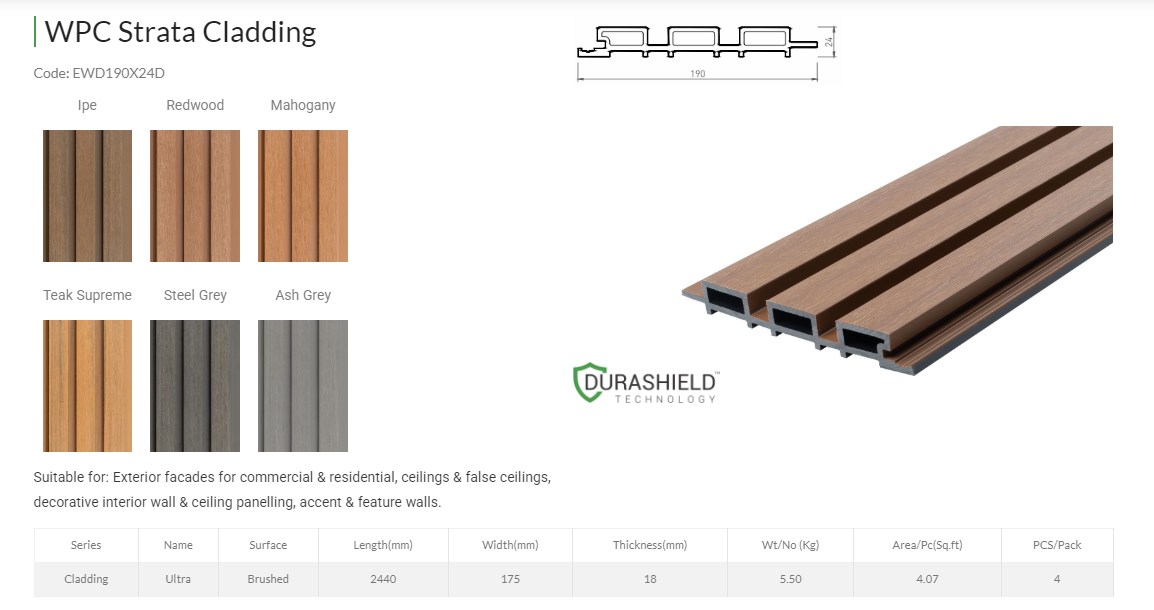
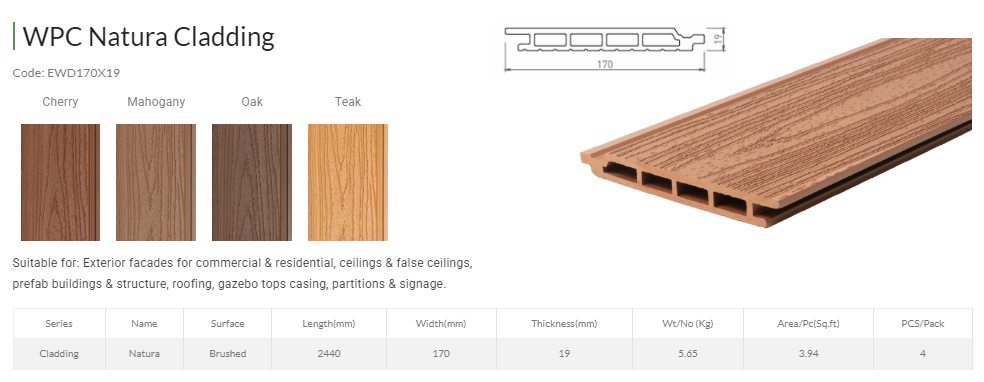
Everwood WPC Natura wall cladding material was used to adorn the first TATA Starbucks outlet in Chennai.
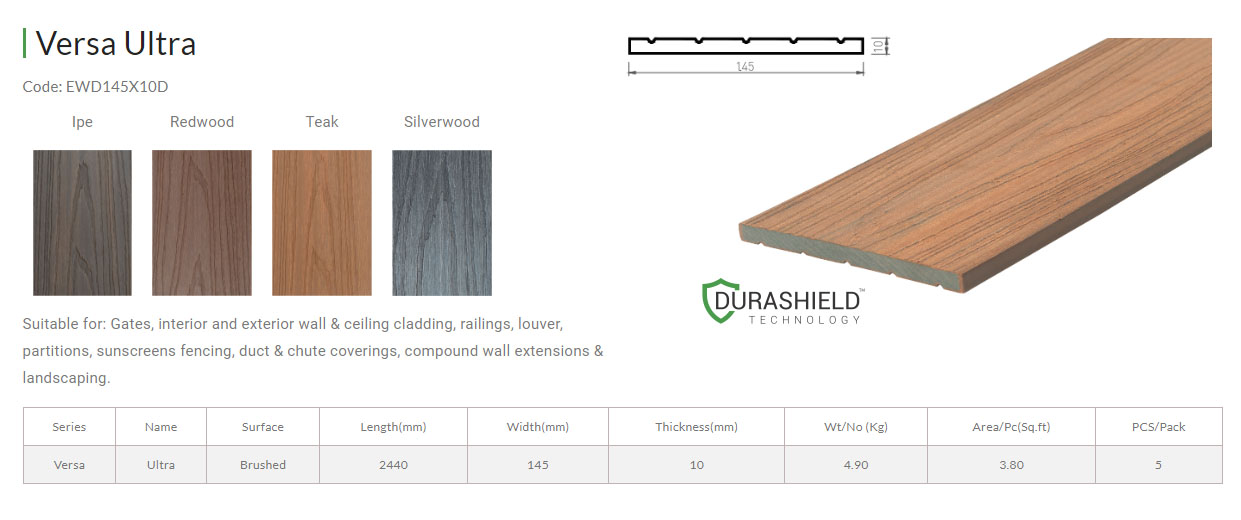
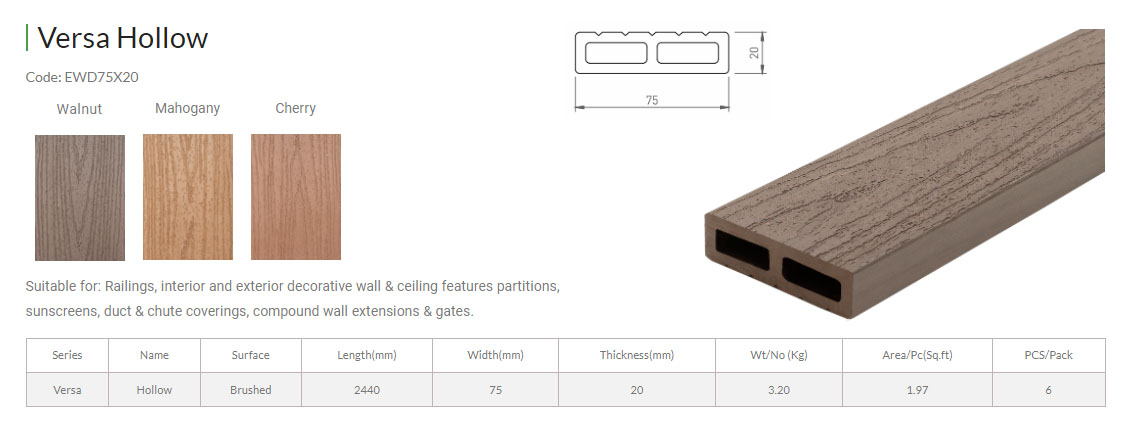
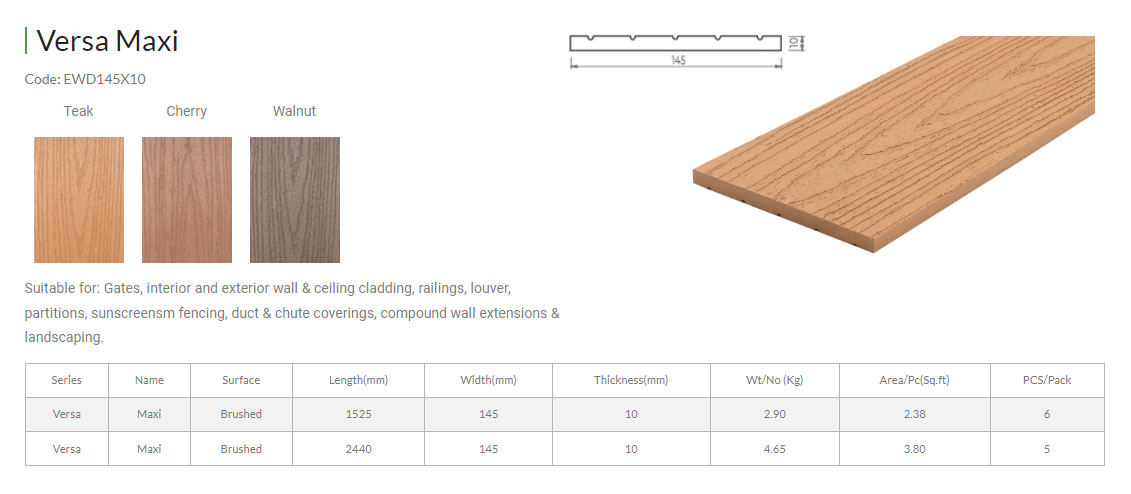
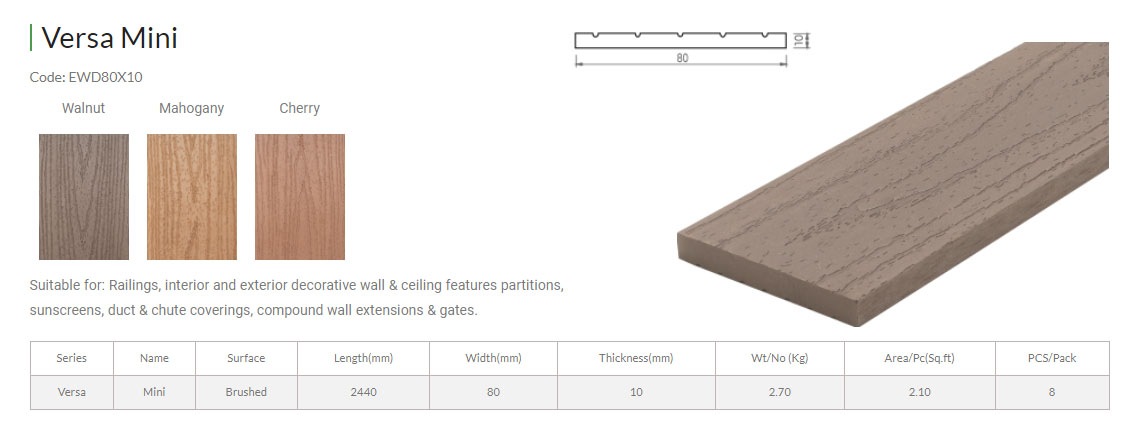
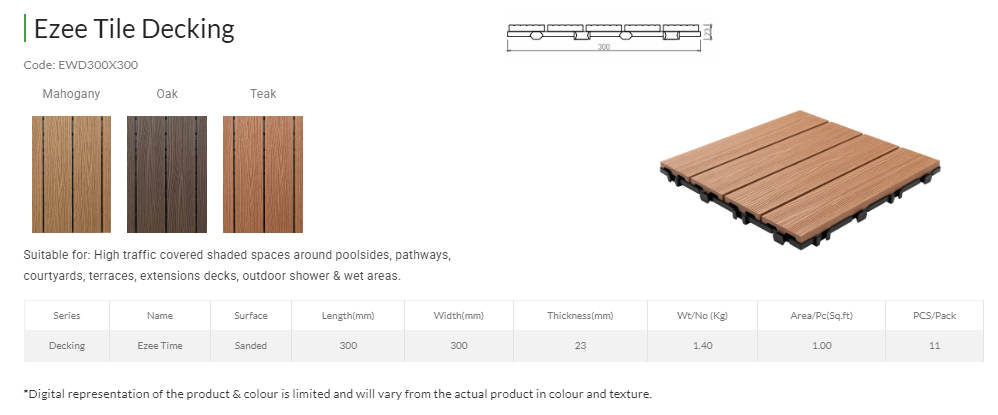
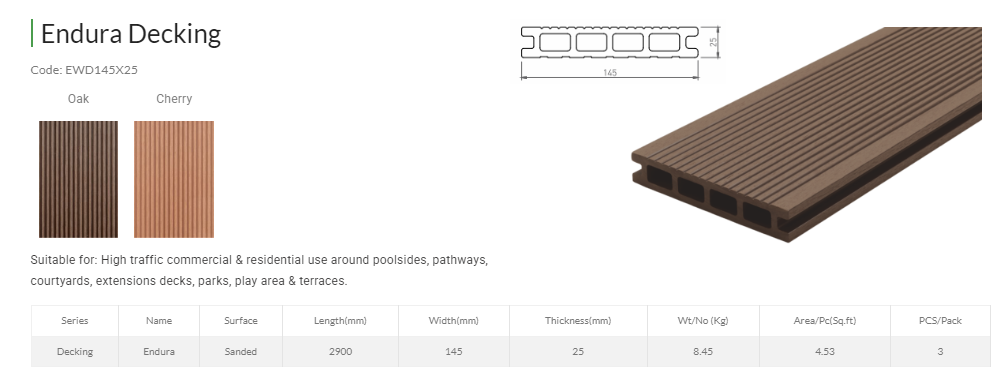
Asta AVM, Chennai – Everwood Endura WPC deck planks was used for the high traffic poolside decking, the garden & terrace pergolas were done with typical pergola profiles, and the ducts and elevations with Versa multipurpose exterior WPC planks. Installation of all scopes was also carried out by Everwood.
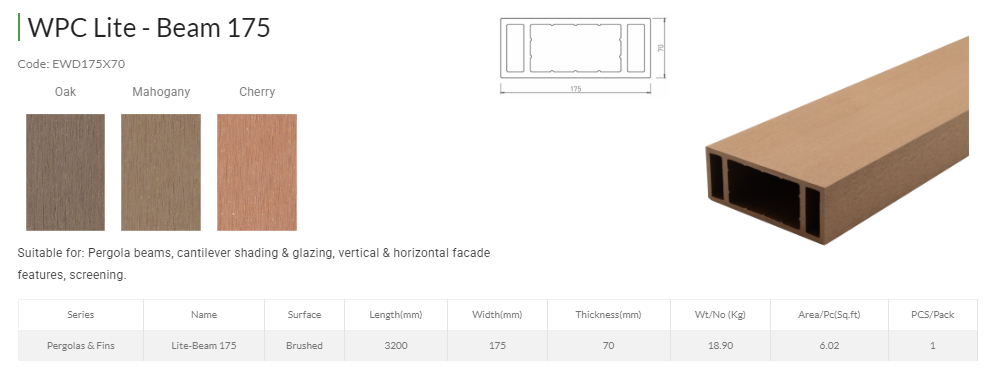
MIOT Hospitals. Chennai – Terrace & Garden Pergolas, Architectural features, Suspended Pergolas & Outdoor decking
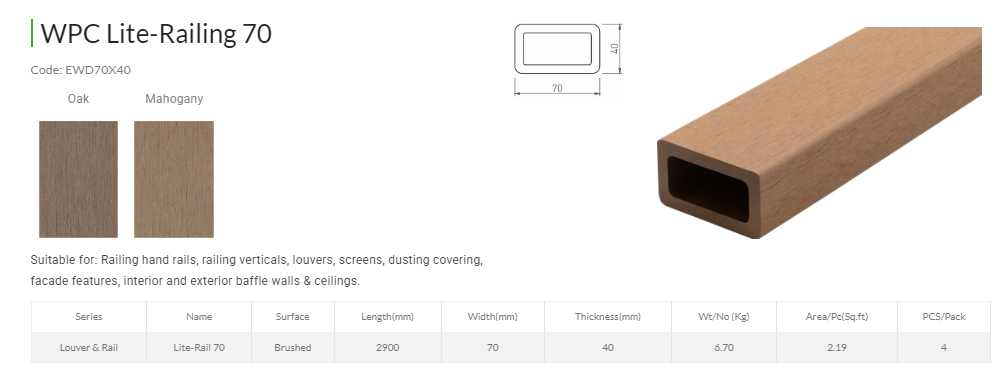
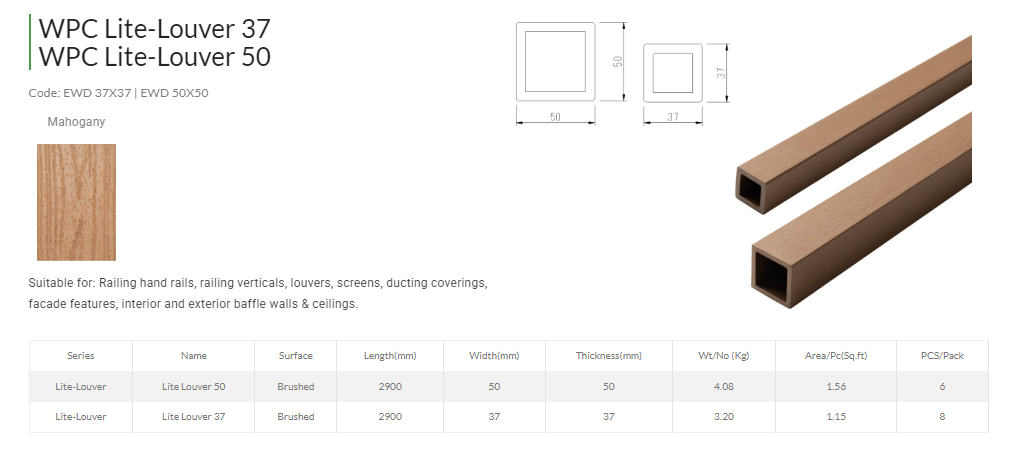
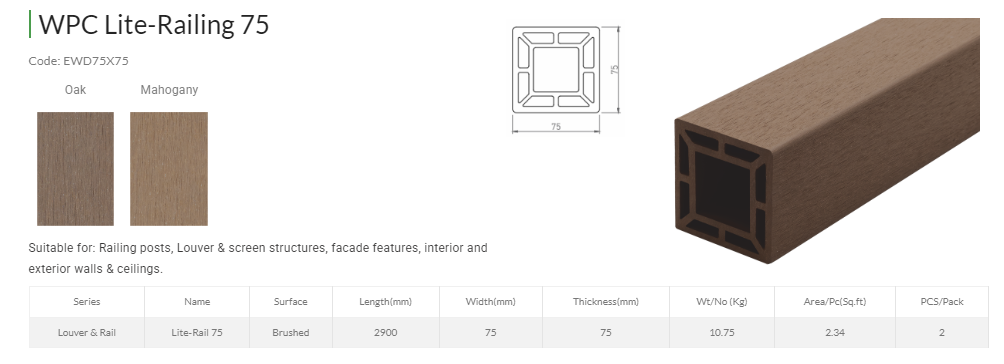
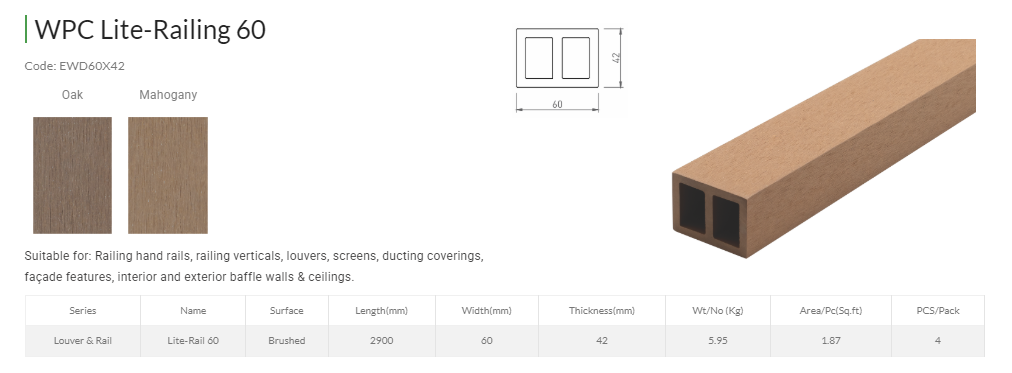
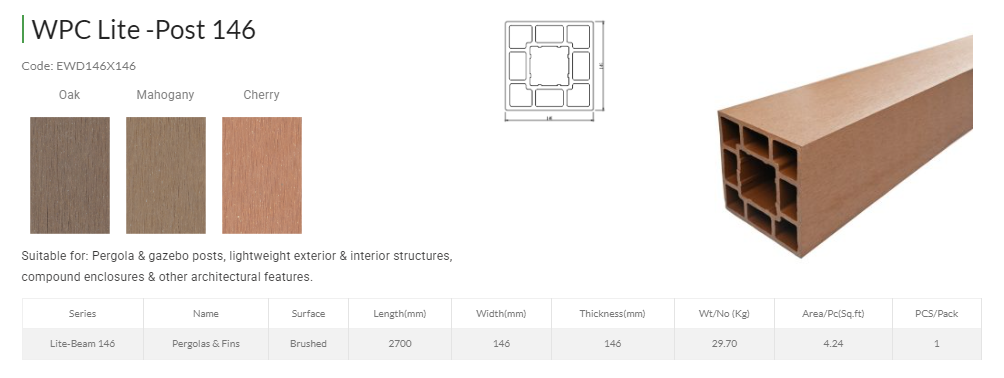
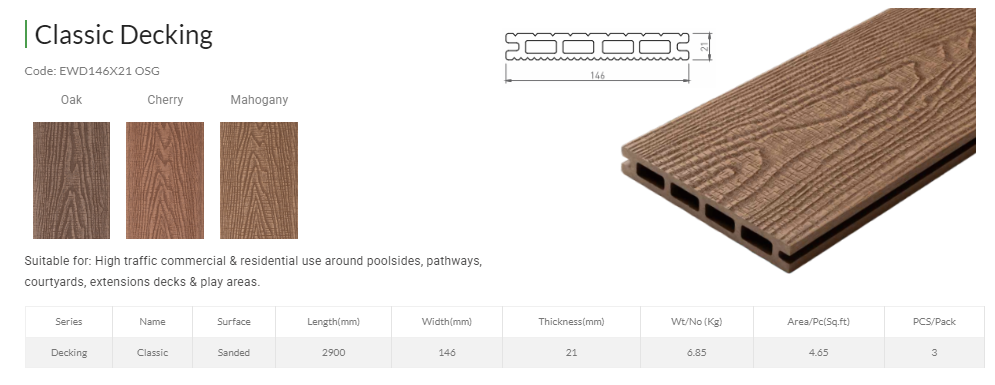
Wild Orchid Estates – Everwood WPC has all the attributes the developers were looking for. Aesthetic, durable and most importantly sustainable. The clubhouse pool decking and villas pool decking was done with Everwood WPC Classic deck planks and garden pergolas, railings and other scope with Everwood WPC Lite profiles for different applications.
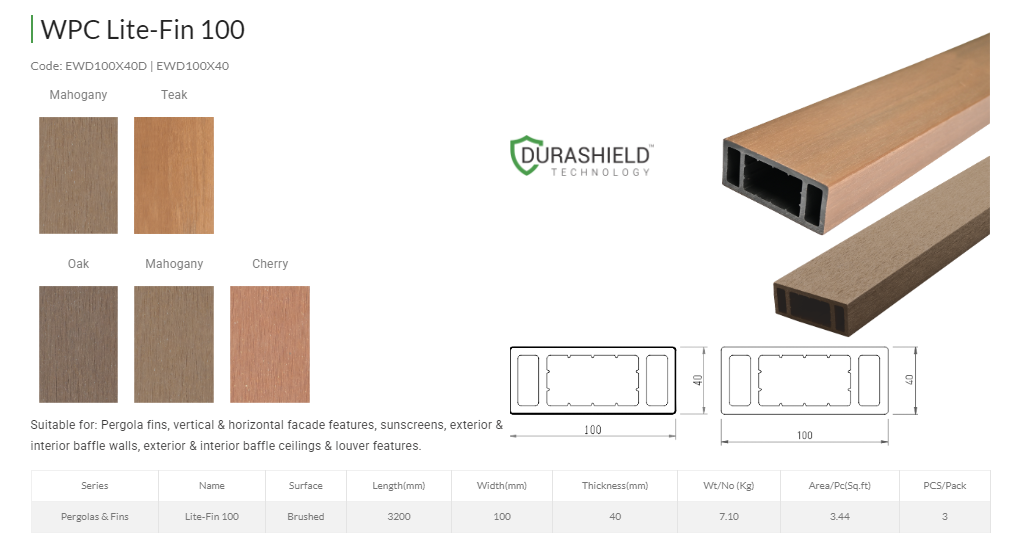
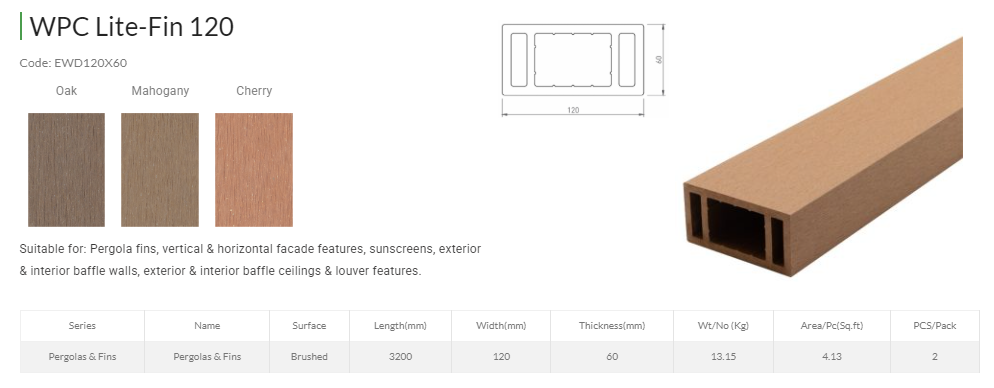
Appasamy, Arihant Vihana, Century Ethos, TEAL – Titan Engineering & Automation Ltd – Various locations including Chennai, Bengaluru region etc. -Everwood WPC Louvers and Vertical Fins were used for the banquet area and the gardening enclosure. Everwood Fins were employed to highlight the car entrance ramp and parking, to bring out the distinct requirement of the project developer.
These examples indicate that Everwood’s WPC products are already integrated into key projects across South India where durability, weather resistance, visual appeal, and low maintenance are requirements.
How WPC Aligns with Smart City Objectives (for Architects & Developers)
Given the trends and the recent projects, here are ways WPC works well in Smart City-type urban development (excluding the challenge section, focusing on positives and strategy):
- Accelerated aesthetics with functional durability
The projects (e.g. Tata Starbucks at the Bengaluru airport, Asta AVM Chennai) show that designers can deliver modern, sleek facades and outdoor installations without compromising on resilience. WPC surfaces maintain look over time, resisting decay, moisture, pests. The visual appeal helps raise the standard of public/commercial spaces. - Lower lifecycle maintenance & cost
WPC requires less frequent maintenance compared to natural wood or cheap cladding. In high-usage or exposed environments (transport hubs, façades, outdoor furniture), this leads to lower operational costs over time - Weather performance & suitability for coastal / tropical climates
Chennai’s humid, coastal conditions demand materials that can resist moisture, warping, rot, UV degradation. Recent Everwood projects in Chennai (Asta AVM, MIOT Hospitals etc.) show how WPC is being used in such settings. - Design flexibility
The recent work demonstrates WPC’s adaptability: not just decking, but façades, pergolas/fins, cladding, louvers, railings. For smart city planning, where varied public spaces, walkways, plazas, transit nodes are involved, this flexibility lets architects unify aesthetics while varying form. - Supporting green / environmental goals
Using WPC reduces pressure on natural hardwood resources, and some WPCs can incorporate recycled plastics. For cities aiming to meet sustainability benchmarks (green building ratings, carbon/GHG reduction etc.), specifying materials like WPC helps. - Community & public perception enhancement
Landmark projects, premium residences, malls, public institutions — when they look well-finished and modern, they contribute to civic pride. The “Prominent Work” of Everwood includes such landmarks (airports, shopping complexes, hospitals) which improve the visible urban fabric.
What Architects & Project Developers Should Do to Leverage WPC
- Include WPC early in design discussions so façades, public amenities, transit shelters etc. can be planned with suitable loadings, exposure, and integration.
- Specify materials with known performance metrics (UV, moisture, fire, heat expansion etc.). Use Everwood’s recent projects as benchmarks / case studies.
- Where possible, designate prime visibility components (airport façades, commercial cores, mall exteriors etc.) for premium WPC finishes to strengthen brand / property value.
- Factor lifecycle cost: though initial cost may be higher compared to less durable materials, usage in projects like Tata Starbucks @ Bengaluru Airport shows ROI via reduced maintenance and longer lifespan.
- Use WPC in mixed usage spaces (decking, pergolas, louvers) to maintain visual consistency and functional durability.
- Ensure installation methods, warranty, and after-care are well defined (e.g. sealing, fastening, expansion joints) especially in outdoor / coastal exposure.
Conclusion
South India is in a phase of urban transformation: smart infrastructure, transit, commercial growth, premium residential development, and public space improvement are all accelerating in Chennai, Bengaluru, Coimbatore and beyond. EverwoodWPC’s recent work shows that WPC is not just a niche material but a strong contributor in façades, decking, public/commercial spaces where aesthetics, durability and maintenance matter.
For architects and project developers, integrating WPC into Smart City projects means delivering design excellence, durability, and sustainability.
Ready to build the future of smart cities with EverwoodWPC’s? Contact us today to collaborate on your next urban development project.
Your Questions on WPC in Smart Cities, Answered
1. What role does WPC play in Smart City projects?
Wood-Plastic Composite (WPC) is widely used in Smart City projects for façades, decking, outdoor furniture, transit shelters, and landscaping. It combines aesthetics with durability, requires low maintenance, and supports sustainability goals.
2. Why is WPC suitable for cities like Chennai, Bengaluru, and Coimbatore?
These cities face challenges like humidity, heavy rainfall, and high urban usage. WPC’s resistance to rot, pests, and moisture makes it ideal for such climates while offering a modern design finish.
3. What are some examples of EverwoodWPC projects in South India?
How do Smart Cities in South India benefit from WPC adoption?
By integrating WPC, Smart Cities reduce long-term maintenance costs, achieve sustainable material usage, and enhance public space aesthetics — aligning with Smart Cities Mission goals.
Is WPC a sustainable building material?
Yes. WPC uses recycled plastics and wood fibers, reducing the need for natural timber. It supports green certifications and contributes to eco-conscious urban development.